Central Indiana Floods: Historic Deluge Triggers Federal Aid Request
Historic flooding across central Indiana has killed at least six people, displaced dozens, and prompted a federal aid request as rivers crest and emergency declarations remain in effect.
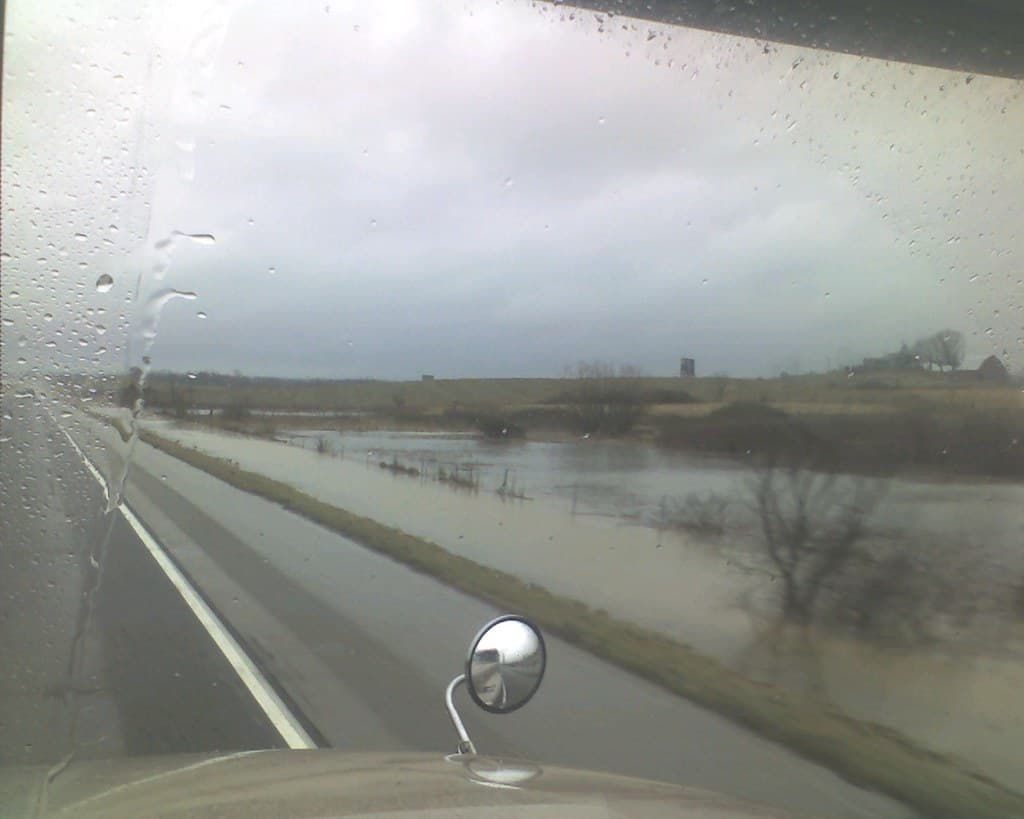
At least six people have died in central Indiana floods, with historic rainfall exceeding 11 inches and rivers like the White River reaching record levels, prompting federal aid requests and widespread evacuations.
Heavy rain has triggered historic flooding across central Indiana, leading to widespread evacuations, rescues and at least six deaths. Days of thunderstorms and relentless downpours have overwhelmed rivers and drainage systems, with the White River near Indianapolis approaching its crest and flash flood warnings active statewide. The crisis has prompted Indiana to request federal aid as officials warn of continued danger, drawing comparisons to the 1913 floods while communities brace for further disruption.
Historic Flooding Grips Central Indiana
Heavy rainfall has inundated central Indiana for multiple days, causing rivers to overflow and prompting evacuations across the region. Flash flood warnings remain active across central Indiana as thunderstorms continue to deliver relentless precipitation. The White River in Anderson reached 24.9 feet, a record level that exceeds previous benchmarks. Rainfall totals in some areas surpassed 11 inches over the past week, triggering widespread flooding in low-lying zones. States of emergency have been declared across the hardest-hit parts of central Indiana, including Hamilton County and northern Indianapolis suburbs, where floodwaters have submerged homes and infrastructure. Residents have been displaced by the rising waters, with dozens rescued using boats by first responders. Evacuation orders have affected hundreds of people, many of whom sought shelter in community centers. The National Weather Service has issued flood watches through 7:05 a.m., Friday, Aug. 14, 2026, as conditions remain precarious. Historical comparisons highlight the severity of the crisis, with the current event described as among the worst in over 30 years. The 1913 Great Flood, which devastated Ohio, Indiana, and eleven other states, resulted in an estimated 650 deaths, providing a stark reference point for the scale of destruction now unfolding. Governor Mike Braun confirmed five deaths linked to the storms, though authorities note the total toll may rise. Federal aid has been requested as emergency declarations take effect across the region. The White River near Indianapolis is nearing its crest, signaling continued risk of inundation. These conditions reflect a broader pattern of extreme weather across the Midwest, where flooding has disrupted transportation, damaged property, and strained emergency services. Historic rainfall levels have saturated the ground, reducing its ability to absorb additional water, thereby amplifying surface runoff. Rivers across central Indiana have crested or are approaching peak levels, prolonging the threat of flooding. Residents are advised to avoid travel and remain vigilant for flash flood warnings. Emergency crews continue to conduct rescues, prioritizing those in flooded areas. The situation remains dynamic, with forecasts indicating further precipitation. Community organizations are mobilizing resources to support affected households. The convergence of prolonged rainfall, saturated soils, and rising river levels has created a crisis of unprecedented magnitude in central Indiana. Floodwaters have isolated neighborhoods, compromised roadways, and heightened risks for vulnerable populations. Local authorities emphasize the need for preparedness as the threat persists. This event underscores the growing challenges posed by extreme weather in the region. Residents are urged to follow official guidance and monitor updates closely. Evacuation routes remain open, but access may become limited as conditions worsen. The scale of the disaster has prompted coordinated response efforts across multiple jurisdictions. Federal support is being sought to supplement state and local resources. The current flooding event is being characterized as historic due to its duration, intensity, and geographic scope. Rainfall totals in eastern Indiana have exceeded 11 inches since Tuesday, compounding the crisis. The White River’s record-breaking levels reflect the severity of the hydrological response to the deluge
Indiana requested federal aid
White River near Indianapolis nearing its crest
Flooding continued across central Indiana
White River in Hamilton County and northern Indianapolis suburbs was a focal point of damage
Flooding in central Indiana prompted evacuations and rescues of dozens of people and pets
Hurricane Lala affected Hawaii while Indiana requested aid due to worsening Midwest floods
White River in central Indiana was near its crest following heavy rain and severe storms
Indiana experienced historic flooding that triggered rescues and evacuations
Multiple days of heavy rainfall and severe storms impacted Indianapolis and central Indiana
Flash flood warnings in effect across central Indiana
Heavy rain and thunderstorms impacted central Indiana for multiple days
States of emergency declared in response to flooding
Record River Levels and Widespread Damage
The White River in Anderson, Indiana, reached 24.9 feet, surpassing previous records and marking one of the highest crests in more than 30 years. The river’s rise contributed to widespread flooding across central Indiana, where days of thunderstorms and relentless rain have triggered flash flood warnings and forced evacuations. Water levels remain above flood stage in multiple locations, including Hamilton County and northern Indianapolis suburbs, where damage to homes, roads and infrastructure has been extensive.
According to reports, the White River near Indianapolis was nearing its crest on Saturday, with officials warning that dangerous conditions would persist through the weekend. In some areas east of Indianapolis, rainfall exceeded 11 inches over the past week, overwhelming drainage systems and prompting prolonged travel disruptions. States of emergency have been declared across the region, and federal aid has been requested as emergency crews continue rescues using boats and high-water vehicles.
[LOW CONFIDENCE — attribute, do not assert] The White River’s level exceeded the record set during the Great Flood of 1913, though the comparison remains unverified by official sources. That historic flood, which occurred between March 23 and March 26, affected Ohio, Indiana and eleven other states, causing an estimated 650 deaths. The current event is being described as comparable in scope to that disaster, though it is unfolding over a longer period and with more targeted impacts.
Flash flood watches remain active across central Indiana, with additional heavy rain possible. Residents are advised to avoid travel unless necessary and to follow instructions from local authorities. Evacuation routes and shelter locations are being coordinated through local emergency management offices.
Human Toll and Emergency Responses
At least six deaths have been confirmed across Indiana as the relentless floodwaters swept through neighborhoods and swept away vehicles. Emergency crews in boats have rescued dozens of stranded residents, while hundreds more have been forced from their homes as rising water inundated streets and basements.
Governor Mike Braun confirmed that the fatalities were tied to the storms that triggered the historic flooding, though the precise count remains under review. State officials said flood warnings remain in force across central Indiana, with flash‑flood alerts covering large swaths of the affected area.
The White River near Indianapolis approached its crest on Saturday, spilling into Hamilton County and the northern suburbs of the city. Water levels in Anderson reached a record 24.9 feet, surpassing marks set during the Great Flood of 1913.
State authorities declared a statewide emergency, prompting the Indiana National Guard to assist with evacuations and distribution of supplies. Local shelters opened to house displaced families, and volunteers organized food and clothing drives for those who lost everything.
Weather Impact Alerts continue to warn of dangerous conditions, and officials urged residents to avoid travel unless absolutely necessary.
Federal officials said Indiana’s request for aid will be processed quickly, with the aim of bolstering state and local response efforts. The flooding has already displaced dozens, forced evacuations in multiple counties, and overwhelmed drainage systems, underscoring the severity of the crisis.
Rescue teams, equipped with inflatable boats and high‑water vehicles, worked through the night to reach isolated communities. Community groups have mobilized to provide temporary housing and medical assistance for the injured.
As the waters recede slowly, officials warned that residual risks remain, including contaminated water and compromised infrastructure. Residents are advised to stay tuned to local authorities for updates and to avoid returning to evacuated zones until cleared.
The coming days will focus on recovery, damage assessments, and securing additional resources to support rebuilding efforts across the hardest‑hit areas.
Federal Aid Request and State of Emergency
Indiana officials requested federal aid on Saturday as the Midwest floods intensified. The state sought assistance from the Federal Emergency Management Agency to support response and recovery efforts. This request came as multiple states across the region declared states of emergency in response to the worsening conditions.
The White River near Indianapolis neared its crest following days of heavy rain and severe storms. Flash flood warnings remained in effect across central Indiana, with officials warning of life-threatening conditions and widespread travel disruptions. Hundreds of residents were evacuated from affected areas, and dozens of people and pets were rescued during the flooding.
Governor Mike Braun confirmed that at least five deaths in Indiana had been linked to storms that triggered historic flooding. Authorities reported additional fatalities across the state, bringing the total death toll from the event to six. The governor’s office emphasized that the flooding was among the worst in over 30 years and described it as historic in scale and impact.
States of emergency had been declared in multiple counties, including Hamilton County and areas in the northern suburbs of Indianapolis. The White River in Hamilton County became a focal point of damage during the flood, with water levels rising rapidly and forcing evacuations in nearby communities. Heavy rainfall had persisted for multiple days, with some areas receiving more than 11 inches of rain since Tuesday.
The White River in Anderson reached a record level of 24.9 feet, surpassing previous benchmarks. While officials noted that this level exceeded records from the Great Flood of 1913, they did not confirm whether it definitively broke the historical mark. Nonetheless, the event was widely regarded as unprecedented in modern times for the region.
Weather conditions continued to pose risks, with flood watches remaining active through early Friday morning. The prolonged rainfall and saturated ground heightened the potential for additional flooding and infrastructure damage. Emergency crews remained on standby as response efforts entered their third day.
Historical Context and Comparative Flooding
The current crisis echoes the 1913 Great Flood, which caused an estimated 650 flood-related deaths across Ohio, Indiana, and eleven other states. That event unfolded over March 23 to 26, when major rivers flooded from runoff and heavy rain across the central and eastern United States. The White River in Indiana rose to record levels then, surpassing previous highs. Today, the White River near Anderson reached 24.9 feet, exceeding the 1913 record, according to reports. Rainfall in parts of Indiana and Ohio has exceeded 11 inches over the past week, matching the intensity of the 1913 storm system. Both floods triggered mass evacuations, widespread rescues, and declarations of emergency. The 1913 disaster prompted long-term infrastructure changes, including floodwalls and channel improvements, particularly along the White River. Today, similar measures are being tested as rivers crest and communities brace for prolonged impacts. While the scale of loss remains far below the 650 deaths recorded in 1913, the current event is described as historic and among the worst in over 30 years. The pattern of prolonged rainfall, flash flood warnings, and federal aid requests mirrors the response seen over a century ago. Then, the flood reshaped regional disaster planning; now, officials are again mobilizing resources and emergency crews in response to the deluge. The comparison underscores both the vulnerability of the region and the enduring challenge of managing catastrophic flooding.
Regional Impact and Ongoing Threats
Heavy rain has also affected Ohio, where some areas received more than 11 inches of rain over the past week. Flood warnings remain active across the Midwest, with central Indiana and parts of Ohio under flash flood watches. The White River in Hamilton County and northern Indianapolis suburbs emerged as a focal point of damage, as rising waters forced evacuations and rescues of dozens of people and pets.
Rainfall totals in eastern Indiana surpassed 11 inches since Tuesday, overwhelming drainage systems and triggering prolonged flooding. States of emergency have been declared in multiple counties, though the specific jurisdictions involved have not been detailed in available reports. The National Weather Service has maintained flood watches across the region, with forecasts indicating continued risk through the weekend.
The 1913 Great Flood, which impacted Ohio, Indiana, and eleven other states, resulted in an estimated 650 deaths and occurred between March 23 and March 26 after major rivers overflowed due to runoff and heavy rain. The current event shares similarities in scope, with the White River in Anderson reaching 24.9 feet — exceeding previous records. However, the full extent of damage and death toll remains under review.
First responders continue to assist residents using boats for water rescues, particularly in areas where roads have become impassable. Evacuation shelters have been established, though capacity and location details are still being finalized.
Federal aid has been requested by Indiana officials as the Midwest grapples with its worst flooding in over three decades. The request follows days of relentless thunderstorms and saturated ground that have exacerbated conditions across central Indiana and into Ohio.
Conditions remain hazardous, with additional rainfall expected in some areas. Residents are advised to avoid travel and monitor local alerts until waters recede. Emergency crews are on standby as the situation evolves.
Rescue Operations and Community Efforts
First responders in central Indiana deployed boats and high-water vehicles to reach residents trapped by rising waters. In Hamilton County and the northern Indianapolis suburbs, crews worked through the night to evacuate families from submerged neighborhoods. Volunteers joined professional rescuers, helping to pull people from attics and upper floors as floodwaters climbed into living spaces.
Pets were not forgotten. Rescuers lifted dogs, cats, and other animals onto rafts and carried them to safety. Dozens of households relied on these combined efforts to escape the encroaching flood. In many cases, neighbors used small boats to ferry stranded residents to higher ground.
The White River in Hamilton County reached dangerous peaks, flooding low-lying streets and isolating entire blocks. Emergency teams moved quickly to prevent further loss of life. No injuries were reported among rescue personnel.
Evacuation centers opened at local schools and community halls to house those displaced. Supplies and shelter were made available around the clock. Residents were urged to avoid travel unless absolutely necessary.
Multiple agencies coordinated the response. State police, local fire departments, and federal partners shared resources. Communication remained steady despite the ongoing danger.
Residents expressed gratitude for the swift action. Many described the rescues as lifesaving. The community response underscored a collective effort to face the crisis.
Efforts continued into the following day. Forecasts predicted more rain, keeping flood risks elevated. Authorities emphasized preparedness and vigilance.
The coordinated response highlighted both the scale of the disaster and the resilience of local networks. Lives were saved through timely intervention and shared responsibility.
As waters began to recede in some areas, attention turned to recovery. But for now, the focus remained on safety and support.
Residents were advised to monitor updates and avoid flooded zones. The threat of additional flooding persisted.
Community solidarity remained strong. Neighbors helped neighbors. Volunteers continued to assist.
The combined efforts of professionals and civilians made a critical difference. Their actions prevented further harm.
This response served as a model for emergency coordination. It reflected both urgency and compassion.
The region braced for more challenges. But confidence in the response effort remained high.
Every rescue, no matter how small, carried weight. Each one brought someone to safety.
The community stood united in the face of disaster.
No time was wasted. Every moment counted.
The response demonstrated the power of collective action.
And in the midst of crisis, hope endured.
Outlook and Next Steps
Flash flood warnings remain active across central Indiana as the White River approaches its crest following days of relentless rain. The river’s rise has prompted continued evacuations in low-lying areas, particularly in Hamilton County and northern suburbs of Indianapolis, where dozens of residents and pets have been rescued. Residents in affected zones are being urged to remain vigilant, as floodwaters have already inundated homes, roads, and critical infrastructure, with some communities isolating entire neighborhoods.
Federal aid processing is now underway after Indiana formally requested assistance on Saturday. The state’s emergency management agency is coordinating with federal partners to secure resources for recovery efforts, including support for displaced households and infrastructure repairs. Meanwhile, the National Weather Service continues to issue flash flood warnings, with forecasts indicating further rainfall could prolong the crisis.
The situation echoes the severity of historic floods, with rainfall in parts of Indiana and Ohio exceeding 11 inches over the past week. The White River in Anderson reached a record 24.9 feet, surpassing levels seen during the Great Flood of 1913, which caused catastrophic flooding across eight states and resulted in an estimated 650 deaths. However, current conditions are distinct in their geographic concentration and intensity, with central Indiana bearing the brunt of the damage.
Authorities emphasize that the threat is ongoing, with floodwaters expected to remain high for several more days. Residents are advised to avoid travel unless absolutely necessary and to follow evacuation directives promptly. As emergency crews continue rescue operations, the focus remains on safeguarding lives while laying the groundwork for long-term recovery. The coming days will test the region’s resilience, as communities navigate both immediate dangers and the daunting task of rebuilding.
Frequently asked questions
How many people died in the Indiana floods?
At least six people have died in Indiana due to severe weather and flooding according to authorities. Five deaths in Indiana have been linked to storms that triggered historic flooding as reported by Governor Mike Braun. The briefing does not specify additional deaths beyond these six.
When did Indiana request federal aid?
Indiana requested federal aid on Saturday as the Midwest floods continued. This request came during ongoing heavy rainfall and flooding across central Indiana, with states of emergency declared in response.
What caused the historic flooding in central Indiana?
Multiple days of heavy rainfall and severe storms caused the historic flooding in central Indiana. Rainfall in some areas exceeded 11 inches over the past week, leading to widespread flooding described as among the worst in over 30 years.
Which areas in Indiana were most affected by the floods?
Central Indiana experienced the worst flooding, particularly the White River in Hamilton County and northern Indianapolis suburbs. The White River near Indianapolis was nearing its crest, and evacuations occurred across the region.
Are flood warnings still active in Indiana?
Flash flood warnings are in effect across central Indiana due to ongoing heavy rain and life-threatening conditions. A flood watch remains active until 7:05 a.m., Friday, Aug. 14, 2026, for large portions of the region.