A History of the England National Football Team and Its Governing Body
Tracing the origins, administrative structure, and notable historical milestones of the England men's national football squad since its formation.
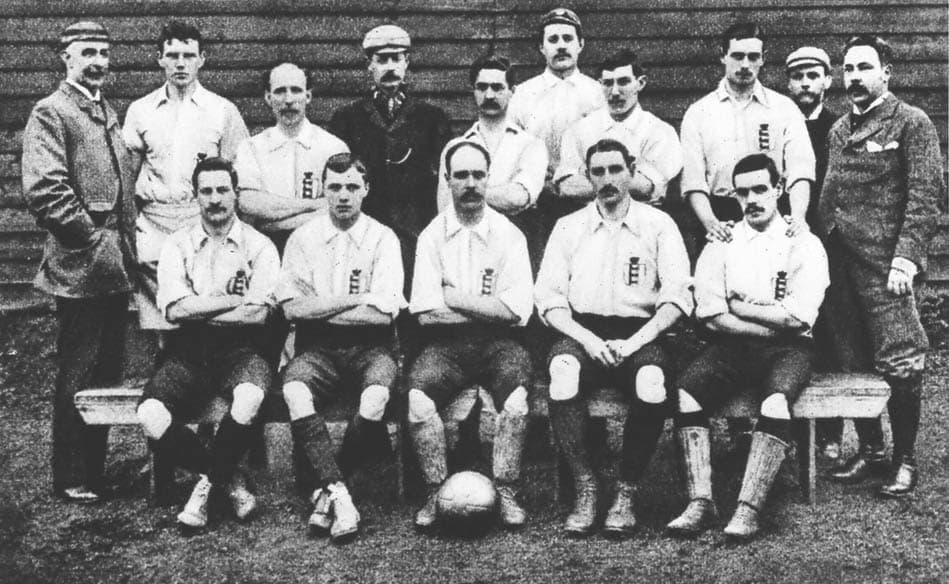
The England national football team began playing international matches in 1872 under the Football Association. Its sole major tournament win came at the 1966 World Cup hosted in England. The FA oversees all levels, including a separate non‑league squad, shaping the team's historic journey.
England’s men’s national football team played its first international match in 1872 and has been overseen ever since by the Football Association, the sport’s governing body in the country. The side competes in senior and non‑league squads, with the senior team’s sole major trophy coming at the 1966 World Cup held on home soil, a claim reported by several sources. The Argentine football association has even created a National Football Teams Day to commemorate a historic victory over England, underscoring the long‑standing rivalry between the two nations. Understanding this history is relevant as England prepares for upcoming tournaments, where past achievements, administrative structures and international rivalries continue to shape expectations and fan engagement.
Origins and Administration of the National Squad
England’s men’s national side first took the field in 1872, marking the country’s entry into international football. The match, played against Scotland, inaugurated a tradition of regular fixtures that has continued for more than a century and a half. Oversight of the team has always rested with The Football Association (FA), the sport’s governing body in England. Founded in 1863, the FA established the rules, organised domestic competitions and, from the outset, assumed responsibility for selecting and managing the national squad. Its remit covers everything from appointing coaches to arranging fixtures and handling disciplinary matters. The FA also administers a separate team that represents England at the non‑league level, ensuring a pathway for players outside the professional tiers. Through these structures the FA has maintained continuity and consistency in England’s international representation since the inaugural 1872 match.
The national men's football team for England began competing in international matches.
The senior men's team won its singular major tournament title during a home World Cup.
Major Tournaments and Historical Milestones
The senior England men’s team has contested every major international tournament since its first match in 1872, entering the FIFA World Cup and UEFA European Championship on a regular basis. The squad’s only major trophy came at the 1966 World Cup, which England hosted; reports from the Guardian and the Independent suggest that this remains the nation’s sole senior‑level title. Since that triumph, England has reached several semi‑finals and finals but has not added another trophy to its record. The team’s tournament history is marked by periods of strong performance followed by early exits, reflecting fluctuating form across decades. Despite the lone 1966 victory, England’s presence in major tournaments continues to shape its footballing identity and fuels expectations for future success.
Squad Structure and International Relations
England’s senior men’s team has been fielded in international fixtures since 1872, overseen by The Football Association (FA). In addition to the full‑time squad, the FA maintains a separate representative side for non‑league players, allowing talent from the semi‑professional ranks to compete internationally and providing a pathway to higher levels.
The FA’s international relations extend beyond Europe. Argentina’s football federation has marked an anniversary of its historic 1966 World Cup win over England with a national holiday called National Football Teams Day, underscoring the lingering significance of that encounter. Reports suggest that England’s current squad members, including centre‑back John Stones, have referenced past victories against Argentina when preparing for upcoming tournament fixtures, highlighting the psychological edge sought from historic results.
These connections illustrate how England’s governing body balances domestic development—through the non‑league squad—with the broader diplomatic and competitive context of global football, where historic matches continue to shape preparation and public sentiment.
Frequently asked questions
When did England's senior men's football team first play an international match?
England's senior men's football team began competing in international fixtures in 1872. The Football Association, which governs the sport in England, organised the team's first official match that year, marking the start of a continuous international presence that has lasted over a century.
What major tournament did England win at home, and when?
Reports suggest England's senior men's squad secured its only major tournament victory at the 1966 World Cup, which was hosted on home soil. This triumph remains the sole major title in the team's history, according to low‑confidence sources.
What did John Stones say about past wins before the Argentina match?
According to media reports, defender John Stones said that victories in the penultimate round would be crucial ahead of England's upcoming tournament fixture against Argentina. He expressed confidence that those earlier successes would help the team perform well in the decisive game.
Which player scored two rapid goals against Mexico, and in what context?
Low‑confidence reports indicate a player—unnamed in the briefing—scored two quick goals within a short span during a tournament match against Mexico. The details were mentioned in coverage of the game but the specific tournament and player name were not provided in the source material.
Was there an incident involving the national anthem at an England match?
Supporters observed an unusual error when a player appeared to sing an outdated version of the English national anthem during a match, according to reports. The incident was noted by fans but the briefing does not specify which player or which match was involved.