Wildfire forces evacuation of 1,800 in Hürtgenwald as crews battle blaze near Belgian border
A fast‑moving forest fire in the Hürtgenwald region of North Rhine‑Westphalia has driven the evacuation of roughly 1,800 residents and prompted a multi‑day response from emergency services.
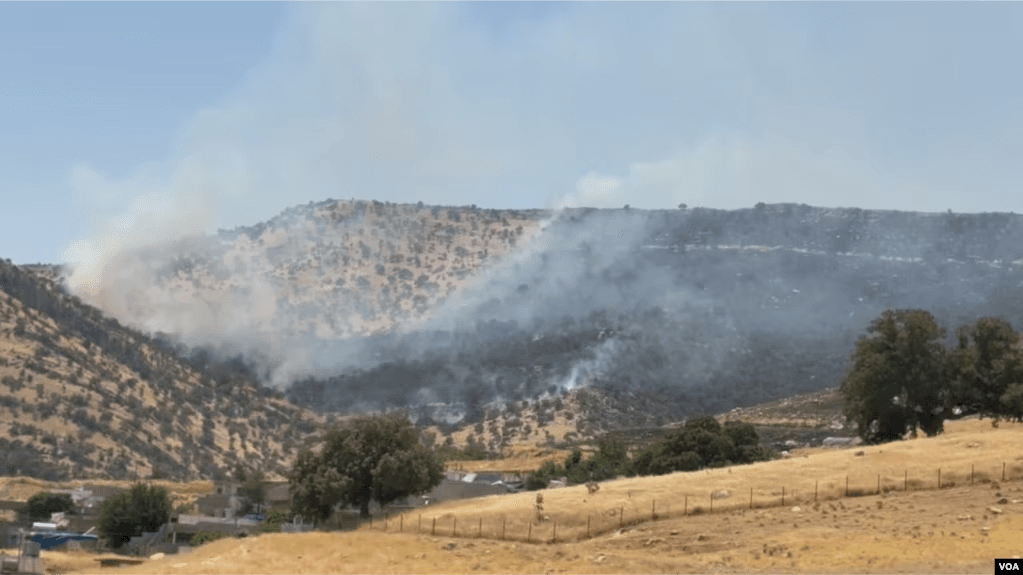
Around 1800 residents were evacuated from the Hürtgenwald area as a fast‑moving forest fire spread toward Gey and threatened a wildlife sanctuary, with roughly 70 emergency responders and 15 vehicles from Oberberg working for days to contain the blaze.
A wildfire is burning in the Hürtgenwald region of North Rhine-Westphalia near the German-Belgian border, forcing the evacuation of about 1,800 people. The fire started in the Hürtgenwald, a forested area close to the border with Belgium. It spread toward the town of Gey within the municipality of Hürtgenwald and is moving uphill toward Drescheid, where it threatens a nearby wildlife sanctuary. The municipality of Monschau is preparing for possible evacuations due to a fire in the nearby Belgian area of the High Venn, but this report is of low confidence. The situation is now stabilising enough that some evacuated residents are being allowed to return home. The fire involves around 70 emergency responders and 15 vehicles from the Oberberg area, and it has been fought for several days by a mix of professional and volunteer crews. The Hürtgenwald is part of the Märkischer Kreis, a region known for its industrial base, but the current focus is on containing the blaze and protecting the local population. The spread of the fire raises health concerns because a noticeable smell of smoke is detectable in several nearby communities, although officials say there is no immediate danger to the population. The incident also highlights the increasing risk of forest fires in Germany, where dry soils and rising temperatures heighten the likelihood of outbreaks. With about 2,000 people originally evacuated from the Hürtgenwald area, the event underscores the vulnerability of rural communities to rapid environmental emergencies.
Evacuation and immediate response
Around 1,800 residents were ordered out of their homes in the Hürtgenwald municipality as the fire moved toward Gey. About 70 firefighters and 15 vehicles from the Oberberg district were dispatched, with extra crews called in from nearby towns. Evacuated families started moving back as containment grew, but officials warned that the blaze still posed a serious threat. The coordinated response highlighted the strain on volunteer forces and the need for rapid, organized evacuation. Residents were advised to stay alert and follow instructions from emergency services. Authorities emphasized that even partial returns must be accompanied by constant vigilance. The situation remained fluid and required continuous monitoring. Local officials coordinated shelter locations and distribution of supplies. Communication channels were kept open to relay updates. Evacuees expressed relief at returning but remained cautious. Firefighters continued to battle hotspots throughout the night. The community’s resilience was evident in the swift mobilization of volunteers. Authorities pledged to support recovery efforts once the fire was fully under control.
Geographic and demographic context
The fire is centered in the Hürtgenwald area of North Rhine‑Westphalia, close to the German‑Belgian border, and spreads uphill toward Drescheid, threatening a nearby wildlife sanctuary. The nearby resort town of Altenau, with about 1,600 inhabitants and historic town rights dating from 1617, lies within the same district. The municipality of Monschau in North Rhine‑Westphalia is also on alert due to a separate blaze in the nearby Belgian area of the High Venn.
The Hürtgenwald region is part of the Eifel district, known for forested hills and historic sites. It combines rural settlements with health‑climate resorts such as Altenau and the industrial‑cultural hub of the Märkischer Kreis. The landscape features steep slopes, mixed woodlands, and protected areas that amplify fire risk when conditions are dry.
The fire evacuation involved roughly 1,800 residents from the affected municipalities. Local authorities coordinated transport and shelter for displaced families while volunteer crews from Oberberg, numbering about 70 responders and 15 vehicles, worked to contain the blaze. The situation stabilized enough for many evacuees to return home, though monitoring continues.
Firefighting efforts rely heavily on volunteer personnel and inter‑municipal support. Crews faced steep terrain and uphill spread, complicating access and water supply. Additional units were called from neighboring towns to reinforce containment lines. The presence of a wildlife sanctuary nearby added ecological concerns to suppression priorities.
The ongoing blaze raises health concerns for residents and responders due to smoke inhalation and degraded air quality. Authorities advise vulnerable groups to avoid outdoor exertion and to follow official guidance. Long‑term exposure to wildfire emissions may affect respiratory health, prompting calls
Firefighting resources and challenges
Firefighting resources and challenges The blaze in the Hürtgenwald relies on roughly 70 emergency responders and 15 vehicles supplied by the Oberberg district, but the effort is dominated by volunteer crews who have been on the scene for several days. Their workload is intensified as the fire spreads uphill toward Drescheid, endangering a nearby wildlife sanctuary. In the Sauerland town of Altena, separate crews are confronting an uncontrolled forest fire, drawing additional units from neighboring municipalities to bolster containment lines. The steep, forested terrain limits access and hampers the deployment of heavy equipment, forcing responders to rely on hand‑held tools and water pumps. Smoke drifting into Oberberg towns such as Gummersbach and Marienheide is noticeable but poses no immediate threat to residents. Containment progress remains slow, and officials warn that full control may take longer than anticipated.
Health and safety implications
A noticeable smell of smoke has been reported in several Oberberg communities, including Gummersbach and Marienheide, but authorities have stressed there is no immediate danger to the population. The briefing notes that Waldbrandgefahr in Germany is intensifying because of dry soils and rising temperatures, a condition that can accelerate fire spread and increase health risks from airborne particulates. While no direct health emergency has been declared, the presence of smoke underscores the need for vigilance among residents and those with respiratory conditions. Authorities continue to monitor air quality and will issue alerts if levels become hazardous. The situation reflects broader concerns about climate‑driven fire risk across the country.
Frequently asked questions
How many people were evacuated because of the wildfire in Hürtgenwald?
Around 1,800 residents were forced to leave their homes, and an additional 2,000 people were evacuated from the Hürtgenwald municipality, according to the briefing.
Which emergency services are fighting the fire in Hürtgenwald?
About 70 firefighters and 15 vehicles from the Oberberg region are assisting with containment efforts, relying heavily on volunteer personnel.
Is the fire near Gey under control?
The blaze has spread toward Gey and is moving uphill toward Drescheid, but residents are now being allowed to return as the situation has stabilized.
What is the population of Altenau and its historical status?
Altenau is a recognized health‑climate resort with about 1,600 inhabitants and historic town rights dating from 1617.
Are there other fires in the region that could affect evacuations?
A separate wildfire in the Sauerland town of Altena is being tackled, and officials in Monschau are preparing for possible evacuations due to a fire in the nearby Belgian High Venn area.