Deadly bus crash in Hungary kills at least twelve German pilgrims
A tour bus carrying German pilgrims from southeastern Poland crashed in eastern Hungary on August 15, 2026, killing at least twelve and leaving several in critical condition, prompting renewed scrutiny of long-distance travel.
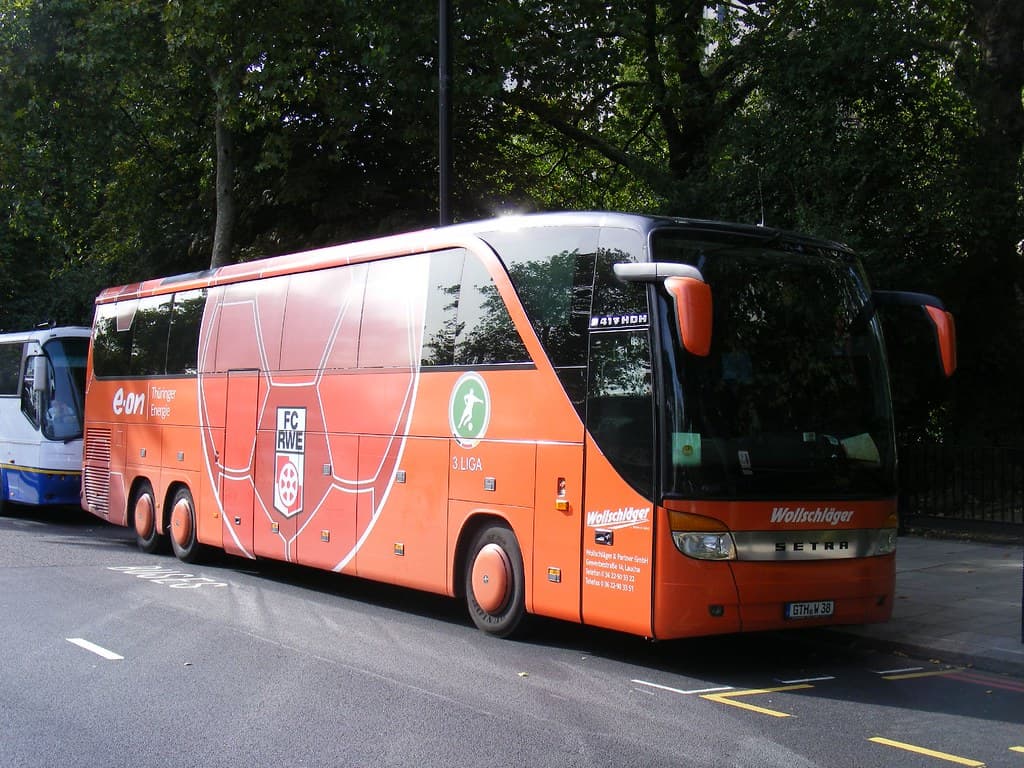
On August 15, 2026, a tour bus carrying German pilgrims from southeastern Poland crashed in eastern Hungary, killing at least twelve people and leaving several others in critical condition, according to German media reports including Welt.de.
A passenger bus carrying pilgrims from southeastern Poland crashed in eastern Hungary on August 15, 2026, killing at least twelve people and leaving others in critical condition. German media outlets including Welt.de reported on the incident within hours of the crash, confirming the scale of fatalities and injuries among the group. The accident occurred on an eastern Hungarian highway east of Budapest, where the vehicle left the road and overturned into a ditch. It was one of several bus-related incidents involving German tourists in Europe during August 2026, including a separate crash in Norway that injured multiple travelers on the E6 highway in Trøndelag. These events have drawn attention to safety concerns in long-distance tourist transport. The fatalities have reignited scrutiny of Reisebus operations under EU Directive 2001/85/EC, which governs Class 3 passenger vehicles used for long-distance travel and tourism. With Mercedes-Benz — a German automotive brand formed in 1926 — continuing to manufacture coaches like the BYD C9 electric model, regulatory and industry responses are under pressure to address systemic risks in the sector.
Crash details and immediate aftermath
A passenger bus carrying 34 German tourists from southeastern Poland overturned on an eastern Hungarian highway east of Budapest on August 15, 2026. German media outlets including Welt.de reported the crash between August 15 and August 16, 2026, as emergency services responded to the scene. At least twelve people were confirmed dead, and several survivors were described as being in critical condition. The vehicle left the road and came to rest in a ditch, though the cause of the incident remains unclear. Authorities in Hungary opened an investigation into the crash, which occurred near a highway exit, though specific details about the location along the route have not been confirmed. German officials and media outlets have extended condolences to the families of the victims. The bus, operated by a German transport company, was en route to a religious gathering in Hungary. The incident marked one of the deadliest road accidents involving German citizens abroad in recent years. The tragedy prompted renewed scrutiny of long-distance passenger travel safety standards.
European context and prior incidents
The crash in eastern Hungary occurred amid a series of recent bus accidents involving German-operated vehicles across Europe. Just days earlier, a separate incident saw a bus carrying 34 German tourists overturn on the E6 highway in Namsskogan, Trøndelag, Norway, with unclear cause. Another accident on the A20 highway near Grevesmühlen, Germany, involved a bus leaving the road and entering a ditch, though details were limited in early reports. These events reflect a pattern of safety concerns linked to long-distance tourist transport. The Hungarian crash involved a vehicle transporting pilgrims from southeastern Poland, resulting in at least twelve deaths and multiple critical injuries among survivors. German media outlets including Welt.de covered the incident as it unfolded between August 15 and August 16, 2026. The bus was part of a registered tour group, and the accident occurred on an eastern Hungarian highway east of Budapest, where the vehicle left the road and overturned into a ditch, according to low-confidence reports. The incident underscores growing scrutiny of Reisebus operations under EU Directive 2001/85/EC, which governs Class 3 passenger vehicles used for long-distance travel and organized tours. Mercedes-Benz, a German automotive brand formed in 1926, produces coaches commonly used in such services. The broader context includes heightened regulatory attention on bus safety, particularly for foreign-operated tourist groups.
Regulatory framework and industry background
Under EU Directive 2001/85/EC, a Reisebus is classified as a Class 3 vehicle built exclusively for transporting seated passengers on long-distance routes, including tourism and package tours. This category encompasses coaches designed for group travel, such as those used by pilgrim groups. German automotive manufacturer Mercedes-Benz, established in 1926 through the merger of Benz & Cie. and Daimler Motoren Gesellschaft, is a major producer of such vehicles, including the BYD C9 electric coach. The classification ensures standardized safety and design requirements across the EU for vehicles primarily used in international and domestic passenger transport.
Response and next steps
Hungarian authorities are investigating the crash site on the eastern highway east of Budapest, where the vehicle left the road and overturned into a ditch. German consular officials have contacted families of the deceased and injured, while insurance providers are assessing liability. The incident has reignited calls for improved safety standards in long-distance coach travel across Europe.
Hungarian authorities are investigating the crash site on the eastern highway east of Budapest, where the vehicle left the road and overturned into a ditch. German consular officials have contacted families of the deceased and injured, while insurance providers are assessing liability. The incident has reignited calls for improved safety standards in long-distance coach travel across Europe.
Hungarian emergency services reached the scene within thirty minutes of the collision reported on August 15, 2026. Survivors were extracted by rescue teams and transported to regional hospitals, several in critical condition. German consular staff arrived on August 16, 2026, to assist families and coordinate repatriation logistics. Insurance adjusters are reviewing policy terms related to the charter operation. The crash has prompted renewed parliamentary inquiries in Berlin and Warsaw into mandatory safety upgrades for long-distance coaches operating under EU regulations. Media coverage in Germany has highlighted the risks associated with aging fleet compositions and driver fatigue on international routes. Officials in Hungary have cordoned off the area to preserve evidence for forensic analysis. No further details have been released regarding the cause of the vehicle’s departure from the roadway.
Frequently asked questions
When did the bus crash in Hungary happen?
On August 15, 2026, a passenger bus carrying pilgrims from southeastern Poland crashed in eastern Hungary, killing at least twelve people and leaving others in critical condition. German media including Welt.de reported the incident between August 15 and 16, 2026.
How many people died in the Hungary bus crash?
At least twelve people were killed in the crash involving the passenger bus carrying pilgrims from southeastern Poland in eastern Hungary on August 15, 2026. Additional survivors were reported to be in critical condition following the incident.
Was a German bus involved in a crash in Norway?
Yes, a German bus carrying 34 tourists overturned on the E6 highway in Namsskogan, Trøndelag, Norway, resulting in multiple injuries. The crash occurred on August 15, 2026, and involved a vehicle manufactured by Mercedes-Benz, a German automotive brand formed in 1926.
What is a Reisebus legally defined as in the EU?
Under EU Directive 2001/85/EC, a Reisebus is defined as a Class 3 vehicle built exclusively for transporting seated passengers, used primarily for long-distance travel, tourism, and package tours. It is distinct from other bus types and regulated for specific operational purposes across the European Union.
Did any other German buses crash recently?
Yes, separate incidents involving German buses were reported in Germany and Austria. A bus caught fire on the Brennerautobahn A13 near Mühlbachl, and another left the road near Grevesmühlen on the A20 highway. Details on causes or injuries in these incidents are not confirmed in the available reports.