Heathrow rail disruption worsens as tunnel closure blocks airport access
Severe rail delays to Heathrow follow tunnel safety closure and terminal flooding, prompting road restrictions and passenger confusion.
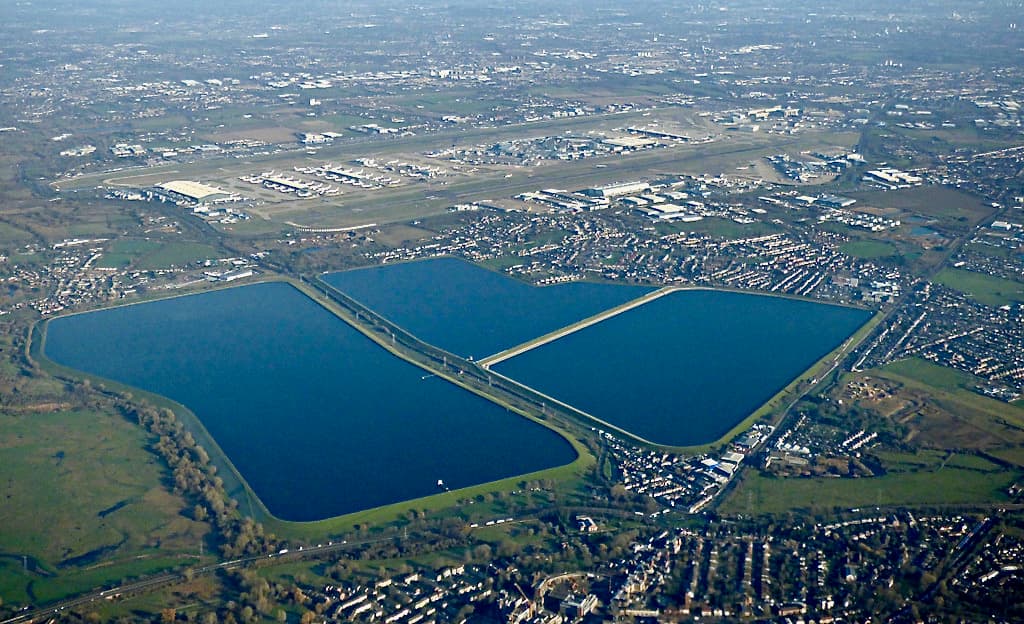
Rail services to Heathrow Airport are severely disrupted after a tunnel closure for safety reasons, with restricted access to Terminals 2 and 3 and road closures forcing passengers to use public transport instead of arriving by road.
Rail services to Heathrow Airport are being severely disrupted after a tunnel was closed for safety reasons. The closure blocks airport access and forces trains to terminate short of the terminal. Heathrow is London’s primary international airport and the largest of six airports serving the capital. It handles millions of passengers annually and is a key hub for global travel. Recent flooding in Terminals 2 and 3 has further restricted road access, prompting authorities to advise travelers to use public transport. The disruption matters now because it compounds existing travel chaos, affecting thousands of passengers during a busy period. A car hire firm has already flagged a £185 loss linked to flight delays, illustrating the financial ripple effects. With rail and road routes constrained, the airport’s scale and connectivity make the impact widespread and immediate.
Rail tunnel closure triggers severe rail delays
Rail services to Heathrow Airport are being severely disrupted after Network Rail closed a key tunnel for safety reasons. The closure halts trains to the airport and removes any alternative route, forcing passengers to face extended waits and cancellations. This disruption compounds existing road closures around Terminals 2 and 3, which have also been shut due to flooding. Travellers are now advised to use public transport instead of driving. The situation adds to the chaos at the airport, which remains the largest international hub in London. Passengers are urged to plan ahead and allow extra time for journeys. [LOW CONFIDENCE — attribute, do not assert]
Road closures and terminal flooding reshape airport access
Flooding in Terminal 2 and Terminal 3 has forced Heathrow to restrict road access, directing all passengers to abandon cars and use public transport instead. Roads around both terminals are closed, and airport officials have issued clear instructions to avoid driving. The measure adds pressure on rail and bus services already strained by the tunnel closure that blocks airport access.
Roads around Terminals 2 and 3 have been closed, and Heathrow has warned that access to both terminals is restricted after flooding. Passengers were told not to arrive by road. The car hire firm recorded a loss of £185 after a customer’s flight was delayed and the vehicle was rehired. Disruption is expected as travellers are directed to use public transport instead.
Car hire firm flags £185 loss from delayed flight
A car hire firm recorded a £185 loss after marking a customer a ‘no-show’ when a flight was delayed. The company later rehired the vehicle, saying the delay caused the missed appointment. This episode shows how airport logistics failures can create financial ripples for service providers, compounding the broader travel chaos faced by passengers.
A car hire firm recorded a £185 loss after marking a customer a ‘no-show’ when a flight was delayed. The company later rehired the vehicle, saying the delay caused the missed appointment. This episode shows how airport logistics failures can create financial ripples for service providers, compounding the broader travel chaos faced by passengers.
The firm flagged the customer as a no-show when the airline’s flight was held up for hours. It then reissued the car to another traveller, citing the delay as the reason for the missed slot. The £185 shortfall reflects lost revenue for the hire company and underscores how a single airline delay can cascade into costs for ancillary services.
Passenger numbers and airport scale underscore significance
Heathrow remains the United Kingdom’s largest international airport and a central hub for global travel. Recent industry reports indicate a 20.2% year-on-year decline in passenger numbers on Middle East routes, and Istanbul has recently overtaken Heathrow as Europe’s busiest airport. These trends highlight how operational vulnerabilities can quickly erode the airport’s scale and strategic importance. The current rail tunnel closure and associated service disruptions add further pressure to an already strained system, underscoring the fragility of Heathrow’s position amid shifting travel patterns and growing competition from other European gateways.
Authorities urge public transport use amid ongoing chaos
Heathrow officials have repeatedly urged passengers to avoid road travel and use public transport, including buses and the Heathrow Express. With road access restricted and rail services disrupted, the airport is managing a high volume of confused travellers. Further disruptions are expected until the tunnel and flooding issues are resolved, with no firm timeline for normal service restoration. The authority stressed that arriving by car is currently impossible, and that all journeys must begin with rail or bus. Passengers are advised to check services before departure and allow extra time. Airport staff are on hand to assist those unfamiliar with the changes. The situation remains fluid, and updates will be issued as new information becomes available. Officials continue to monitor conditions closely and will adjust guidance as needed.
Frequently asked questions
Why are railway services to Heathrow Airport disrupted?
Railway services to Heathrow Airport are severely disrupted after a tunnel was closed for safety reasons.
What should travellers do instead of arriving by road?
Travellers are advised to use public transport instead of arriving by road due to road closures around Terminals 2 and 3.
Why was a car hire firm charged £185?
A car hire firm marked a customer as a 'no-show' after their flight was delayed, then rehired the car, resulting in a £185 loss.
Is access to Terminals 2 and 3 restricted?
Yes, access to Terminals 2 and 3 is restricted following flooding at Heathrow Airport.
What caused the passenger decline on Middle East routes?
Heathrow reported a 20.2% year-on-year decline in passenger numbers on Middle East routes.