Volker Schlöndorff's Homo Faber Film Returns to Venice Through Exhibition Extension
The 1991 film Homo Faber, directed by Volker Schlöndorff and starring Sam Shepard, Julie Delpy, and Barbara Sukowa, is being showcased at Venice's Homo Faber exhibition running through September 30.
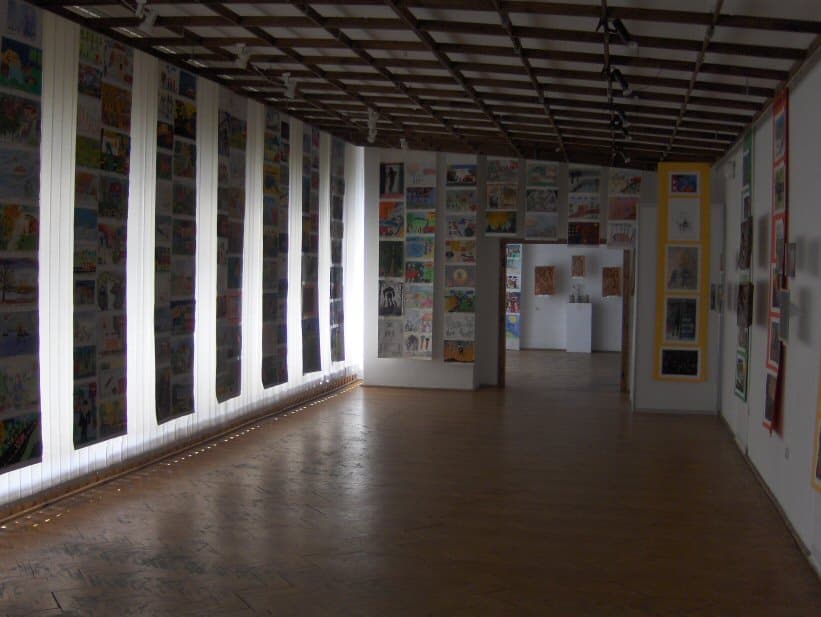
The 1991 film Homo Faber directed by Volker Schlöndorff is currently featured in Venice's Homo Faber exhibition at San Giorgio Maggiore, running through September 30, showcasing design alongside the English-language adaptation of Max Frisch's novel.
Volker Schlöndorff's film Homo Faber premiered at the Venice Film Festival in 1991. It is an English-language drama adapted from Max Frisch's 1957 novel of the same name. The film stars Sam Shepard, Julie Delpy, and Barbara Sukowa. The novel Homo Faber was first published in Germany in 1957 and explores themes of fate and human connection through its protagonist, a Swiss engineer. The film adaptation retains the novel's narrative structure and philosophical undercurrents, though it transposes the story into a contemporary cinematic framework. Schlöndorff's direction brought the work to a broader international audience during its initial festival run. The Homo Faber exhibition, curated by Luca Guadagnino and hosted on the island of San Giorgio Maggiore in Venice, runs through September 30. It showcases design objects and installations inspired by the film and novel, though reports suggest its curation has drawn scrutiny over potential ties to luxury branding. The exhibition's extension has reinvigorated attention on the film and its literary origins, linking them to contemporary discourse around art, design, and cultural presentation in Venice.
Film Release and Literary Roots
The film Homo Faber, an English-language drama directed by Volker Schlöndorff, premiered in 1991. It is an adaptation of Max Frisch’s 1957 novel Homo Faber, which was first published in Germany that same year. The novel introduced an existential narrative centered on a rational engineer confronting chance and emotional detachment. Schlöndorff’s cinematic version retains the core plot and themes, translating Frisch’s literary exploration into visual form. The film features performances by Sam Shepard, Julie Delpy, and Barbara Sukowa, and was produced as part of the Venice Film Festival’s programming. Its release marked a significant moment in European arthouse cinema, blending intellectual depth with international casting. The story’s postwar context, rooted in German-speaking Europe, provides the foundation for the film’s meditation on fate, identity, and human connection. The adaptation remains faithful to the novel’s structure and philosophical questions, though rendered through the distinct medium of film.
The novel Homo Faber was first published in Germany in 1957. It established the narrative framework for the film, exploring existential themes through the lens of a rational engineer navigating chance and emotional detachment. Frisch’s work, deeply embedded in postwar European thought, provided the philosophical and structural basis for Schlöndorff’s cinematic interpretation. The novel’s publication year, 1957, anchors the story’s cultural and historical context, reflecting the era’s preoccupation with identity, technology, and human vulnerability. This foundational text directly informed the film’s narrative architecture, ensuring continuity between literary and cinematic expressions of its central ideas. The adaptation process preserved the novel’s introspective depth while translating its existential inquiries into visual storytelling, maintaining fidelity to its core themes of fate and emotional alienation.
Exhibition Context and Curatorial Role
Venice's Homo Faber exhibition, curated by Luca Guadagnino, extends through September 30 on the island of San Giorgio Maggiore. The exhibition presents design objects that echo the visual and thematic concerns of Volker Schlöndorff's 1991 film Homo Faber, linking cinematic production design to broader contemporary design discourse. Organized as part of the Venice Art Biennale's collateral programming, the show situates the film's aesthetic within a curated dialogue about material culture and modernity. While reports suggest possible collaborations with luxury brands, no definitive connections have been confirmed; the extent of commercial influence remains unverified. The extension underscores the festival's ongoing effort to bridge film history with current curatorial practices, using the island's historic architecture as a frame for interdisciplinary reflection. The exhibition's placement on San Giorgio Maggiore offers a secluded yet accessible venue, reinforcing the event’s focus on intimate engagement with design narratives. This revival of Schlöndorff’s adaptation marks a rare cinematic presence within the exhibition’s framework, highlighting the enduring resonance of Frisch’s source material through visual and spatial storytelling. The project exemplifies Venice’s strategy of integrating film heritage with architectural and curatorial innovation.
Cultural Significance and Reception
The Venice Film Festival’s extension of the Homo Faber exhibition leverages the film’s 1991 release to deepen discourse on design’s role in shaping human experience. Curated by Luca Guadagnino, the exhibition situates Volker Schlöndorff’s English-language adaptation of Max Frisch’s 1957 novel within Venice’s cultural calendar, anchoring its September 30 closure to the festival’s concluding timeline. Critics highlight the film’s meditation on technology’s capacity to both connect and isolate, framing its themes as urgently resonant amid contemporary design debates that interrogate objecthood and ethical responsibility. By extending the exhibition through the festival’s close, organizers underscore cinema’s capacity to dialogue with material culture, reinforcing Venice’s position as a nexus for interdisciplinary exchange. The program invites audiences to reconsider how design mediates social interaction, a question sharpened by the film’s unflinching portrayal of postwar modernity’s disillusionments. This convergence of cinematic and curatorial intent amplifies the exhibition’s relevance, positioning Homo Faber as both artifact and provocation within Venice’s evolving cultural landscape. Its legacy endures as a touchstone for conversations about art’s capacity to interrogate progress’s human costs.
Frequently asked questions
What is Homo Faber film about?
Homo Faber is an English-language drama film directed by Volker Schlöndorff, released in 1991. It is an adaptation of the 1957 novel Homo Faber by Swiss author Max Frisch. The film stars Sam Shepard, Julie Delpy, and Barbara Sukowa and was part of the Venice Film Festival.
Who directed the film Homo Faber?
The film Homo Faber was directed by Volker Schlöndorff. It was released in 1991 and featured in the Venice Film Festival. The adaptation stars Sam Shepard, Julie Delpy, and Barbara Sukowa in an English-language drama based on Max Frisch's novel.
What is the Homo Faber exhibition in Venice?
The Homo Faber exhibition showcases design and is held on the island of San Giorgio Maggiore in Venice. It was curated by Luca Guadagnino, runs through September 30, and has drawn attention for its presentation of design amid luxury brand influence, according to reports.
When was the novel Homo Faber first published?
The novel Homo Faber by Max Frisch was first published in Germany in 1957. It later served as the basis for the 1991 film adaptation directed by Volker Schlöndorff, which was part of the Venice Film Festival.
Where is the Homo Faber exhibition located?
The Homo Faber exhibition is held on the island of San Giorgio Maggiore in Venice. It runs through September 30 and was curated by Luca Guadagnino, featuring design showcases connected to the film and novel.