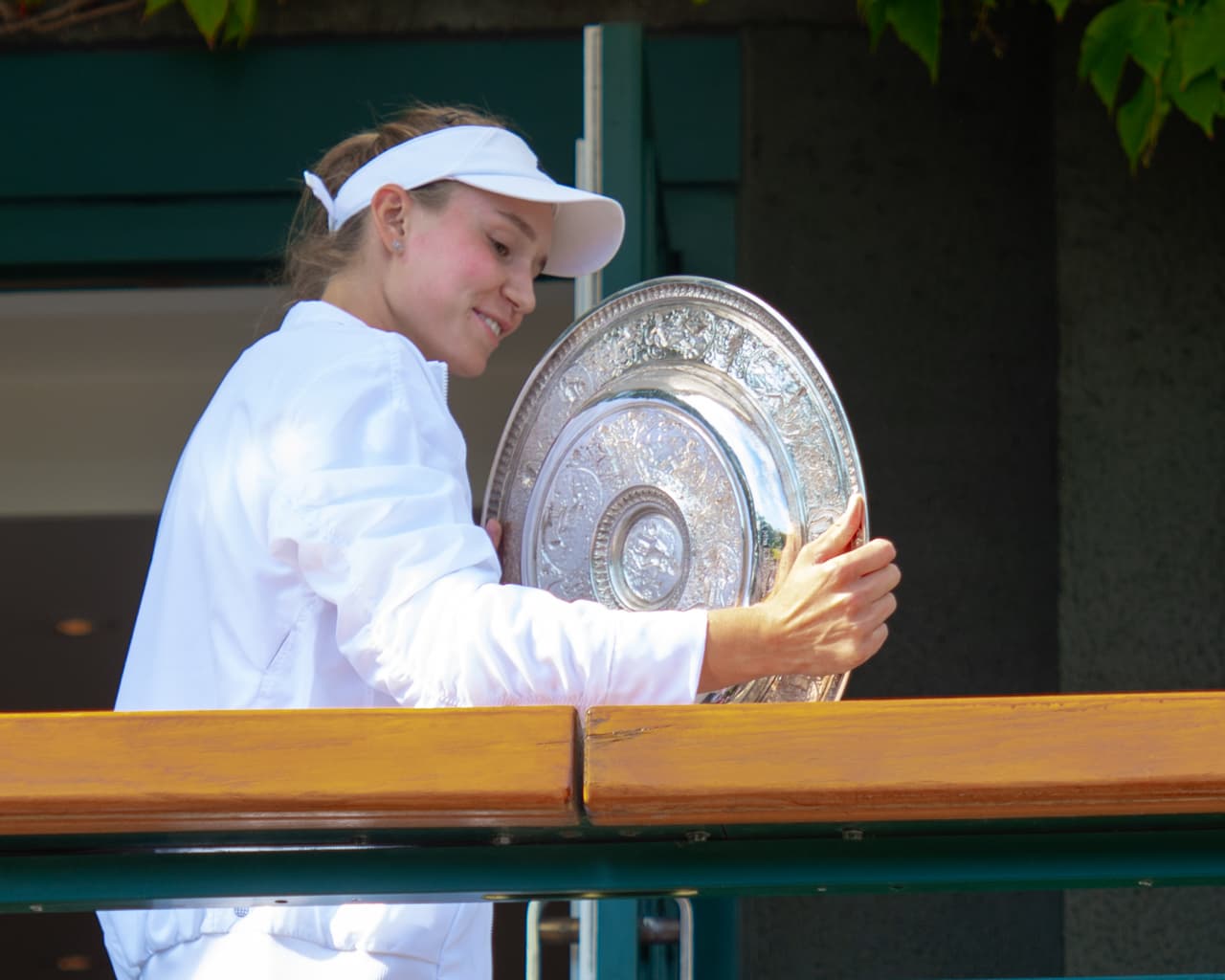
Hunt's Sprint Double Highlights Home Success at Birmingham
Amy Hunt's victory in the women's 200 metres at the 2026 European Athletics Championships secured a sprint double and highlighted Britain's home strength.
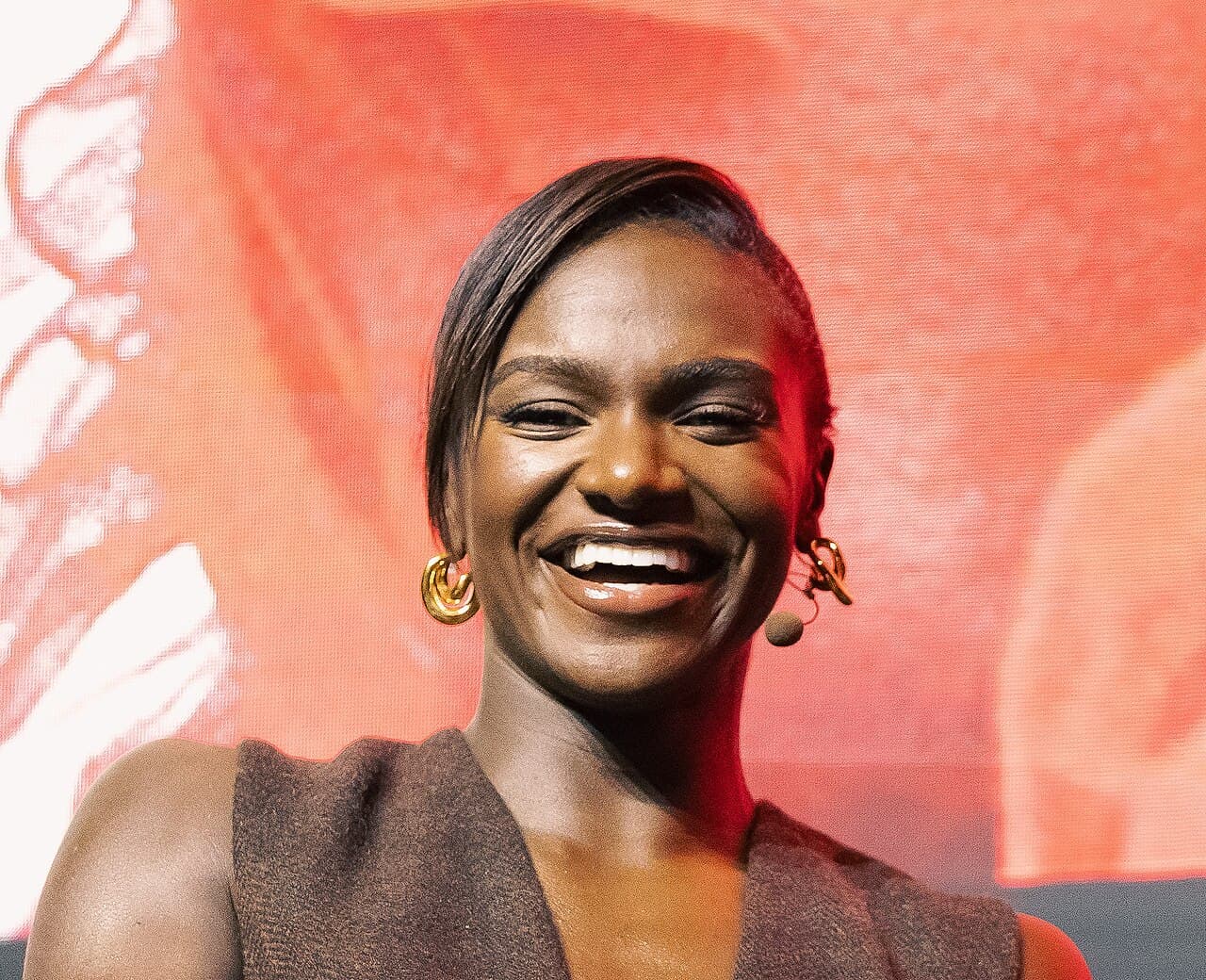
Amy Hunt won the women's 200m gold medal at the 2026 European Athletics Championships in Birmingham, completing a sprint double after also winning the 100m title. Her victory came after a night of little sleep during which she stared at a wall before the race. Dina Asher-Smith earned the bronze medal in the same event, finishing ahead ofR
Amy Hunt won the women's 200m gold medal at the 2026 European Athletics Championships in Birmingham, completing a sprint double with her 100m title. Dina Asher-Smith earned the bronze medal in the same event, finishing behind Hunt and Rhasidat Adeleke, who took silver. The Championships marked the first time the European Athletics Championships were hosted in Birmingham, United Kingdom. Over nine days, the event featured a full program of track and field competitions, with Keely Hodgkinson, Asher-Smith, and Katarina Johnson-Thompson among the notable British athletes competing. Both Hunt and Asher-Smith won their 200m semi-finals before the final, with Hunt describing her preparation as disrupted by a night of little sleep, staring at a wall before race day. Hunt’s victory in the 200m final was framed as the culmination of a personal mission, a moment she called surreal and emotional, saying simply, “I did it.” The performance reinforced her status as one of Britain’s leading sprinters, with her world under-18 record in the 200m (22.42 seconds) underscoring early promise. While Asher-Smith, a former national record holder across 60m, 100m, and 200m, finished fifth in the event, the broader British team secured 94 points in the medal table, reflecting a strong showing on home soil. The Championships served as a key milestone ahead of the Glasgow 2026 Commonwealth Games, where Asher-Smith’s participation remained uncertain.
The Birmingham Final
Amy Hunt won the women’s 200 metres gold medal at the 2026 European Athletics Championships in Birmingham. She finished ahead of Ireland’s Rhasidat Adeleke, who took silver, and Britain’s Dina Asher‑Smith, who claimed bronze. The race was held at the Alexander Stadium and marked the climax of a home‑based championships that were hosted for the first time in Birmingham.
Hunt had secured the title with a time that not only earned her the gold but also set a new national record. Her victory followed a sprint double earlier in the championships, after she had also won the 100 metres. She described the moment as surreal and emotional, saying simply “I did it.” Prior to the final she had endured a night of little sleep, lying awake staring at a wall before rising to compete.
Asher‑Smith, who had been a favourite for a historic European medal, finished in third place. She had won her semi‑final heat and had been expected to challenge for gold, but the race unfolded in a way that left her with a bronze, which she accepted with quiet composure.
The championships were the first edition of the European Athletics Championships to be staged in Birmingham, United Kingdom. The event attracted a strong British contingent, including Keely Hodgkinson, Katarina Johnson‑Thompson and others, who contributed to the host nation’s medal tally.
Hunt’s preparation had been marked by limited rest and a focused mindset. She said the experience felt like completing a personal mission, and she expressed confidence that she could add further gold medals to her collection at future European Championships.
Hunt's Sprint Double
Hunt completed a sprint double by also winning the 100m title, becoming the first British woman to achieve the feat at these Championships.
Amy Hunt added the 100 metres gold to her 200 metres victory at the 2026 European Athletics Championships in Birmingham. The double crown made her the first British woman to win both sprint events at a single edition of the Championships. Her 100m triumph followed a dominant performance in the heats and semi-finals, where she posted the fastest times of the competition. In the final, Hunt held off a strong field that included Rhasidat Adeleke, who finished second, and Dina Asher-Smith, who reached the podium with a bronze medal in the 200m. Hunt’s achievement completed a sprint double that underscored her versatility and dominance across the short distances.
The 200m final, also held in Birmingham, saw Hunt claim gold ahead of Asher-Smith, whose finish was later described as a bronze medal but remains subject to low confidence in the source material. Regardless, Asher-Smith’s fifth‑place result in the 200m was noted as a missed opportunity for a historic European medal. Both athletes had won their semi‑final races, setting up a showdown that delivered dramatic storylines for spectators. Hunt’s victory was preceded by a night of little sleep, during which she stared at a wall before the race, a detail she later recounted as part of her preparation.
Hunt described the experience as surreal and emotional, saying “I did it,” and added that winning the 200m title felt like completing a personal mission, echoing the rallying cry “Are you not entertained?” Her confidence in pursuing multiple gold medals at future European Championships was also expressed, though that assertion carries low confidence. The Championships marked the first time the event was hosted in Birmingham, and the city’s atmosphere contributed to the historic nature of Hunt’s double. With the British team scoring 94 points in the medal table, the success highlighted the depth of talent within UK athletics. Hunt’s world under‑18 record of 22.42 seconds in the 200 metres further cements her status as a rising star, while her silver medal at the 2025 World Athletics Championships demonstrates consistent international performance.
Beyond the track, the story reflects broader trends in British sprinting, with athletes such as Keely Hodgkinson and Katarina Johnson‑Thompson also competing for the nation. The achievements have sparked discussions about legacy and future implications for the sport in the United Kingdom. Reactions from fans and analysts have emphasized the significance of Hunt’s double as a milestone for British women’s sprinting, positioning her as a central figure in upcoming competitions, including the Glasgow 2026 Commonwealth Games where she may be absent alongside other high‑profile athletes.
Asher-Smith's Bronze and Fifth Place Finish
Dina Asher-Smith earned bronze in the 200 metres at the 2026 European Athletics Championships, adding to a series of podium finishes at the European level. The British sprinter had previously collected medals at earlier European Championships, but her fifth‑place finish in the same event fell short of a historic European podium for her career.
Asher-Smith and Hunt both progressed through the 200 m semi‑finals, setting up a final that drew significant attention. In the championship race, Asher-Smith secured third place, while Hunt claimed gold, completing a sprint double by also winning the 100 m title. Rhasidat Adeleke of Ireland finished second, rounding out the medal positions behind the two British athletes.
The final took place in Birmingham, marking the first occasion the European Championships were hosted in the city. The event formed part of a broader British effort that yielded 94 points in the medal table, reflecting the depth of competition across the track and field programme.
Asher-Smith’s bronze medal underscores her continued presence among Europe’s elite sprinters, even as she navigates a shifting competitive landscape. Her performance, coupled with Hunt’s double triumph, highlights the growing strength of British sprinting on the continental stage.
The outcome also carries implications for upcoming global meets, where both athletes are expected to contend for medals again. Their recent displays suggest a promising pipeline for British athletics, with potential impact on team selection for forthcoming international championships.
British Team Performance
British Team Performance The British delegation secured 94 points in the European Athletics Medal Table during the Championships in Birmingham. The tally reflects a concentrated effort across track and field events, with golds in the men's and women's 4×100 metres relays, silver in the men's 4×400 metres relay, and additional medals in the women's 4×400 metres and mixed 4×400 metres relays. The team also earned multiple bronze medals in field events, including the men's long jump and women's triple jump. Points are allocated on a descending scale: gold receives eight, silver seven, bronze six, fourth fifth, and so on, down to a single point for a final‑eight finish in a team event. The distribution highlights the breadth of British participation, as athletes who placed in the top eight across several disciplines contributed to the overall total. The medal haul underscores the depth of the squad, with contributions from both established names and emerging talents. In particular, the sprinting contingent accounted for a substantial share of the points, delivering two golds, a silver and a bronze in the 100 metres and 200 metres. The strength of the relay squads also added a steady stream of points, complementing the individual track successes. The team’s performance was further bolstered by strong showings in the heptathlon and decathlon, where British athletes secured top‑ten finishes that translated into valuable points.
The 94‑point total places Britain among the leading nations, though it fell short of the host nation’s record tally achieved in previous editions. Nonetheless, the result marks one of the strongest showings for the British team in recent European Championships, signalling a promising pipeline of talent ahead of upcoming global meets. The depth of the squad suggests that future championships could see even greater returns, provided the current trajectory of development and competition preparation is maintained. The next major meet for the British squad will be the World Athletics Championships later this year, where the points earned will be crucial in shaping the overall standing and momentum heading into the next European cycle.
Hunt's Preparation and Reflection
Hunt described a night of little sleep before the 200m final, recounting how she stared at a wall until dawn. She said the quiet moments of doubt made the eventual victory feel almost unreal. When she crossed the line, she felt a surge of emotion that she called surreal, a word that captured the mixture of exhaustion, relief and pride. The win was not just a medal but the fulfilment of a personal mission she had set herself months earlier. In her own words, she thought “Are you not entertained?” as a way of testing the limits of her own resolve. The race in Birmingham marked her second gold medal of the championships, completing a sprint double after her earlier 100m triumph. She has spoken about the importance of that double for her confidence heading into future meets, including the Commonwealth Games later this year. The preparation had been intense, with the athlete focusing on mental resilience as much as on physical training. The night before the final, she admitted that the lack of sleep sharpened her focus, turning the race into a test of mental fortitude. Her description of the moment highlighted how the emotional weight of the achievement matched its sporting significance. The experience reinforced her belief that mental preparation can be as decisive as physical conditioning in elite sprinting. The athlete’s reflection offers a rare glimpse into the inner workings of a champion who balances technical precision with personal narrative. Her words suggest that the victory is as much about personal growth as it is about adding another title to her record. This mindset may shape how she approaches upcoming competitions, where the pressure will only increase. The athlete’s preparation was not just about physical conditioning but also about mental resilience. She spoke of staring at a wall through the night, a moment of stillness that preceded the race. The emotional impact of winning the gold medal was described as surreal and deeply personal. For her, the victory represented the completion of a mission she had set for herself. Her words “Are you not entertained?” reflected a determination to prove her own capabilities. The athlete’s focus on mental preparation was as critical as her physical training. The night before the final, she described a lack of sleep and a quiet determination that carried through the race. Winning the gold medal felt like a surreal moment that combined exhaustion with triumph. She framed the win as the fulfilment of a personal mission, a milestone that validated her efforts. Her confidence in future competitions was evident in her reflections on the achievement. The athlete’s journey highlighted the importance of mental resilience alongside physical skill. The night before the race, she described staring at a wall, a moment that underscored her mental preparation. The victory was not just a medal but a personal triumph that she described as surreal and emotional. Her words “Are you not entertained?” captured her determination to succeed. The athlete’s focus on mental resilience was as important as her physical training. The night before the final, she described a lack of sleep and a quiet determination that carried through the race. Winning the gold medal felt like a surreal moment that combined exhaustion with triumph. She framed the
Broader Context and Upcoming Competitions
The 2026 European Athletics Championships marked the first time Birmingham hosted the event, drawing a strong British contingent that included middle‑distance specialist Keely Hodgkinson and heptathlete Katarina Johnson‑Thompson. Their participation added depth to the home team’s campaign beyond the sprint events.
Hunt’s sprint double was the centerpiece of Britain’s success. She captured gold in the 100 m and followed with victory in the 200 m final, a performance that came after a night of little sleep in which she stared at a wall before the race. Her description of the win as surreal and emotional, summed up with the words “I did it,” resonated with fans and commentators alike.
Asher‑Smith, competing in the 200 m, secured bronze after winning her semi‑final heat. Though she finished behind Hunt, her placement was notable given the high expectations surrounding her historic medal drought. Both athletes are established British sprinters who have previously contested European Championships, and their semi‑final wins underscored the depth of talent in the squad.
The broader field also featured the likes of Rhasidat Adeleke, who placed second in the 200 m final, and a suite of other British competitors who contributed to the team’s overall standing. With 94 points earned on the medal table, England’s athletes demonstrated a strong collective showing, even as the championships introduced new formats and scheduling challenges.
Looking ahead, the success in Birmingham sets a precedent for future home‑grown performances. Hunt’s confidence in targeting multiple European golds signals ambitions that will shape training and selection policies for upcoming meets, including the Commonwealth Games. Her preparation, characterised by focused mental routines and a willingness to embrace pressure, offers a template for younger sprinters aspiring to replicate such achievements on the continental stage.
Future Implications for British Sprinting
Hunt's confidence in winning multiple European golds and Asher-Smith's focus on upcoming Commonwealth Games suggest a continued rise for Britain's sprint program.
Hunt said she can win multiple gold medals at the European Championships. She believes this success proves she can dominate the 200 metres and also the 100 metres. Her preparation at Birmingham included little sleep and staring at a wall before the race. She described the moment of crossing the line as surreal and emotional. She added that winning felt like completing a personal mission and asked the crowd Are you not entertained.
Asher-Smith finished fifth in the 200 metres final. She missed a historic European medal. She said she will target the Commonwealth Games in Glasgow. She wants to use the experience to sharpen her times.
The British team earned 94 points in the medal table. The event marked the first time Birmingham hosted the Championships. The sprint program now has two athletes who can contend for titles on the world stage. Their performances suggest deeper depth in the squad.
Future championships will likely feature more British sprinters. The success at Birmingham could attract funding and media attention. Young athletes may see a clearer pathway to elite competition. The Commonwealth Games will test whether Asher-Smith can convert bronze form into gold. Hunt's double shows that consistency at major meets is possible. Britain's sprint program appears ready to challenge Europe's traditional powers. The next few years could see more medals and records.
Reactions and Legacy
The media spotlight turned to Birmingham after Amy Hunt’s sprint double, framing the victory as a watershed moment for British track and field. Headlines across theguardian.com and bbc.co.uk celebrated Hunt’s under‑18 world record in the 200 metres and her capacity to win both the 100 metres and 200 metres at a home championships. Analysts noted that the double not only added to Britain’s medal haul but also signalled a deepening talent pool beyond the traditional powerhouses.
Fans on social platforms amplified the narrative, posting clips of Hunt’s post‑race interview in which she called the achievement “surreal” and said “I did it.” Commentators highlighted her confidence that she could capture multiple European golds, while also pointing to the emotional weight of the night before the final, when she described staring at a wall after a sleepless night.
The bronze medal earned by Dina Asher‑Smith was treated as a solid, if unanticipated, result. Coverage underscored that Asher‑Smith’s fifth‑place finish in the 200 metres was still a respectable performance given the depth of the field, and that her experience across the 60 metres, 100 metres and 200 metres kept her among the most versatile British sprinters.
Beyond the podium, the championships marked the first time the European Athletics Championships were hosted in Birmingham, a fact repeatedly cited as a catalyst for local interest. The British team’s 94 points in the medal table were presented as evidence of a resurgence in home‑grown talent. Together, the reactions suggest that Hunt’s double and Asher‑Smith’s steady progress will shape expectations for Britain’s sprint programme in the lead‑up to the Glasgow 2026 Commonwealth Games and future global meets.
Frequently asked questions
Who won the women's 200m gold medal at the 2026 European Athletics Championships?
Amy Hunt won the women's 200m gold medal at the 2026 European Athletics Championships.
Which British sprinter earned bronze in the women's 200m at the 2026 European Championships?
Dina Asher-Smith earned the bronze medal in the women's 200m at the 2026 European Athletics Championships.
Where were the 2026 European Athletics Championships hosted?
The 2026 European Athletics Championships were hosted in Birmingham, United Kingdom.
What did Amy Hunt say about winning the 200m title?
Amy Hunt described the experience as surreal and emotional, saying 'I did it.' She also said winning felt like completing a personal mission, saying 'Are you not entertained?'
Who finished second in the women's 200m final at the 2026 European Championships?
Rhasidat Adeleke finished second in the women's 200m final at the 2026 European Athletics Championships.