Explosives-laden drone found beside Ukrainian cargo plane at Leipzig/Halle Airport
A drone carrying an explosive device was found beside a Ukrainian cargo aircraft at Leipzig/Halle Airport, and German investigators are examining whether a foreign state was behind what prosecutors call a serious attack.
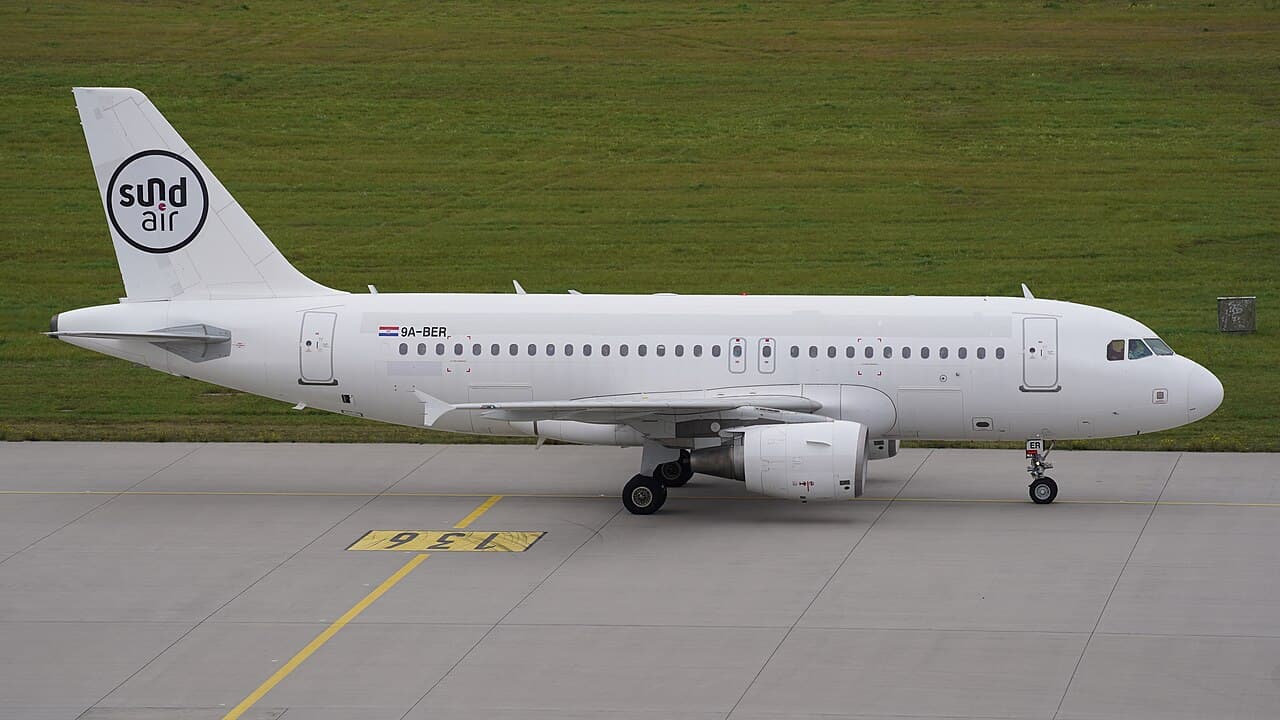
A drone carrying an explosive device was found overnight beside a Ukrainian cargo aircraft at Leipzig/Halle Airport in Germany. A technical fault prevented detonation. German prosecutors called it a serious attack, and investigators are examining whether a foreign state was involved.
A drone carrying an explosive device was discovered at Leipzig/Halle Airport in eastern Germany, close to a Ukrainian cargo aircraft that police said was carrying ammunition. An airport employee found the drone near the airport's south runway overnight. According to prosecutors, a technical fault prevented the device from detonating, and it was later defused. Leipzig/Halle is one of Europe's busiest cargo airports and a main base for Ukrainian Antonov transport planes, making it a significant hub for military logistics. German prosecutors have described the incident as a serious attack, and officials said the discovery may have narrowly averted a catastrophe with multiple casualties. German authorities have opened a counterterrorism investigation and are examining whether a foreign state was involved. According to German officials, the device contained Semtex plastic explosive, and Interior Minister Alexander Dobrindt described the drone as a new threat scenario for Germany. The incident adds to a series of suspected sabotage cases at the airport and across Europe that have heightened security concerns among NATO members.
A drone, an explosive device and a near miss on the south runway
The discovery was made by an airport employee, who found the drone near the airport's south runway, close to a Ukrainian Antonov cargo aircraft. Police said the aircraft was carrying ammunition. The drone was carrying what authorities described as an explosive device.
According to reports, the drone was found late on a Tuesday and overnight at the airport. Those details of timing, and the precise circumstances of the discovery, have been reported by outlets including the Guardian and the BBC, though authorities have not publicly confirmed the exact date.
The device did not detonate. A technical problem with it prevented an explosion, and it was subsequently defused. German officials said the discovery may have narrowly averted a catastrophe with multiple casualties, given the drone's proximity to an aircraft loaded with ammunition.
Prosecutors described what happened as a serious attack. An official said the incident represented a new quality of threat. Authorities opened an investigation in the aftermath, with the Central Office for Extremism Saxony and the state counter-terrorism unit becoming involved.
Leipzig/Halle is one of Europe's main bases for Ukrainian Antonov cargo planes, making the location of the drone — beside a Ukrainian aircraft — a central element of the case. The airport is also one of Europe's most important cargo hubs, according to reports.
A separate suspected object collided with a cargo aircraft in mid-air, authorities said. When and where that collision occurred has not been disclosed, and officials have not said whether the two events are connected.
No suspect has been publicly identified, and it remains unknown who launched or controlled the drone, what type of drone was used, or how it reached the airport undetected.
Why Leipzig/Halle matters to Ukraine's war effort
Leipzig/Halle Airport is one of Europe's most important cargo airports and serves as a key hub for military transport, according to reports on the incident. That status has made it central to logistics connected with the war in Ukraine.
The airport is one of Europe's main bases for Ukrainian Antonov cargo planes. The heavy-lift aircraft operate from the site regularly, moving freight in and out of the continent. It was beside one of these Ukrainian aircraft, parked near the airport's south runway, that the explosives-laden drone was discovered.
The cargo aboard that aircraft underlines what was at stake. According to police, the Ukrainian plane was carrying ammunition. A detonation close to such a load, in a busy cargo hub, is the scenario officials had in mind when they said a catastrophe with multiple casualties may have been narrowly averted.
The airport's role in military transport has also drawn attention from investigators considering whether a foreign state was involved in the drone incident. A site that moves ammunition and military freight for Ukraine presents an obvious potential target, though authorities have not identified who launched or controlled the drone, and no suspect has been named.
Leipzig/Halle has repeatedly been a focus of suspected sabotage incidents, according to reports, which gives added weight to its strategic importance as the investigation continues.
Semtex, a faulty device and a 'new quality of threat'
Prosecutors have described what happened at Leipzig/Halle as a serious attack, not a stunt or an accident. The device attached to the drone was real, and it was armed with enough explosive material to cause severe damage had it functioned as intended.
According to reports, investigators confirmed that the device contained Semtex, a plastic explosive. That finding, if borne out, points to a level of planning and access to military-grade material that goes well beyond an improvised or amateur effort. The attribution matters: the Semtex identification has been reported but should be treated as a preliminary finding until prosecutors set it out formally.
What prevented the device from detonating was not interception or luck in the conventional sense, but a technical problem with the device itself. It malfunctioned. That single failure is the reason officials are speaking in the terms they are. German officials have said the discovery may have narrowly averted a catastrophe with multiple casualties. The drone was found close to a Ukrainian cargo aircraft that, according to police, was carrying ammunition — a detail that underlines how destructive a successful detonation could have been, with the potential for a secondary explosion far larger than the device itself.
One official described the incident as representing a new quality of threat. That phrase captures the shift authorities see: an explosive device delivered by drone, placed beside a loaded military cargo aircraft on the apron of a major European airport, defeated only by its own defect.
The counterterrorism investigation and the foreign-state question
German authorities have opened a counterterrorism investigation following the discovery of the drone, according to reports. The probe has drawn in the Central Office for Extremism Saxony, known as ZESA, alongside the state's counter-terrorism unit, reflecting the seriousness with which officials are treating the case. German prosecutors have described the incident as a serious attack, and one official said it represented a new quality of threat.
Investigators are also examining whether a foreign state was involved in the incident. That line of inquiry points to the possibility of a state-directed operation rather than an isolated act, though authorities have not publicly identified any country of interest. German officials have said the discovery may have narrowly averted a catastrophe with multiple casualties, given that the drone was found close to a Ukrainian cargo aircraft which, according to police, was carrying ammunition.
Much remains unknown. Authorities have not said who launched or controlled the drone, and no suspect has been publicly identified. It is also unclear what type of drone was used or how it managed to reach the airport, and approach the south runway area, without being detected. Officials have likewise not disclosed which foreign state, if any, they suspect of involvement.
The investigation is expected to focus on the drone's origin, the construction of the device and any communications or procurement trail that might indicate who was behind it. For now, prosecutors have released few details, and the inquiry remains at an early stage.
Dobrindt warns of a new threat scenario for Germany
German Interior Minister Alexander Dobrindt described the explosives-laden drone as representing a new threat scenario for Germany, according to reports of his remarks. His characterisation placed the discovery among the most serious security incidents the country has faced in recent years, and signalled concern at the highest level of government about the vulnerability of critical infrastructure.
Prosecutors were equally blunt. They described the incident as a serious attack, a framing that shaped the response from the outset and set the tone for the investigation that followed.
Officials also underlined how close the airport came to disaster. According to German authorities, the discovery may have narrowly averted a catastrophe with multiple casualties. The drone was found beside a Ukrainian cargo aircraft that police said was carrying ammunition, a combination that sharply raised the potential consequences had the device detonated as intended.
One official described the incident as representing a new quality of threat, language that echoed Dobrindt's assessment and suggested that security agencies now see themselves confronting a different order of risk than in previous suspected sabotage cases. Together, the statements from ministers, prosecutors and investigators made clear that Berlin is treating the episode not as an isolated breach but as a warning about what may come next.
A pattern of suspected sabotage and hybrid attacks across Europe
The discovery did not come in isolation. According to reports, Leipzig/Halle Airport has repeatedly been a focus of suspected sabotage incidents, and this was the second time in just over two years that the airport faced a potentially serious security incident. The nature of the earlier episode has not been disclosed.
Separately, a suspected object collided with a cargo aircraft in mid-air. Authorities have not said when or where that collision occurred, or whether it is connected to the drone found on the ground.
The incident has been portrayed in reports as the latest in a series of suspected hybrid attacks across Europe, fuelling fears of Russian involvement in operations targeting NATO members. German authorities have confirmed they are examining whether a foreign state played a role, but they have named no country and identified no suspect.
That wider context helps explain the speed and weight of the official response. An airport that handles military cargo, in a country already alert to sabotage on its soil, now faces questions about how an armed drone reached a position beside a Ukrainian aircraft undetected. For European governments tracking a pattern of unexplained incidents at critical infrastructure, the Leipzig/Halle case adds a significant and troubling data point — one that investigators say could easily have ended in catastrophe.
Leipzig/Halle Airport faced an earlier potentially serious security incident, making the drone discovery the second such event in that period.
An airport employee discovered a drone carrying an explosive device near the airport's south runway, close to a Ukrainian cargo aircraft.
The drone was found overnight at the airport near the Ukrainian cargo aircraft.
The drone's explosive device was defused; a technical problem had prevented it from detonating.
German authorities opened a counterterrorism investigation, with the Central Office for Extremism Saxony and the state counter-terrorism unit joining the probe.
Investigators confirmed the device attached to the drone contained Semtex plastic explosive.
German authorities began examining whether a foreign state was involved, and officials said a catastrophe with multiple casualties may have been narrowly averted.
Frequently asked questions
What happened at Leipzig/Halle Airport with the drone?
An airport employee discovered a drone carrying an explosive device near the airport's south runway, close to a Ukrainian cargo aircraft. The drone was found overnight, late on a Tuesday, according to reports. A technical problem with the device prevented it from detonating, and it was subsequently defused. German prosecutors described the incident as a serious attack.
Was the drone found near a Ukrainian aircraft?
The drone was found near a Ukrainian cargo aircraft at the airport. According to police, the Ukrainian aircraft was carrying ammunition. Leipzig/Halle Airport is one of Europe's main bases for Ukrainian Antonov cargo planes, and reports describe it as an important cargo hub for military transport.
Is the Leipzig airport drone being treated as terrorism?
Yes, according to reports. German authorities opened a counterterrorism investigation following the discovery, with the Central Office for Extremism Saxony and the state counter-terrorism unit joining the probe. Authorities are also investigating whether a foreign state was involved, though no country has been publicly named.
What explosive was found on the drone at Leipzig airport?
According to reports, investigators confirmed the device attached to the drone contained Semtex plastic explosive. A technical problem prevented the device from detonating, and it was defused after the discovery. German officials said the find may have narrowly averted a catastrophe with multiple casualties.
Who is suspected of being behind the Leipzig airport drone?
No suspect has been publicly identified. German authorities are investigating whether a foreign state was involved, but have not named any country. Reports have portrayed the incident as the latest in a series of suspected hybrid attacks across Europe, raising fears of Russian involvement targeting NATO, though this remains unconfirmed.