Macau marks 20 years since return to China amid casino boom and growing scrutiny
Macau celebrates two decades under Chinese sovereignty as its casino industry faces renewed pressure from regulatory crackdowns and shifting tourism patterns.
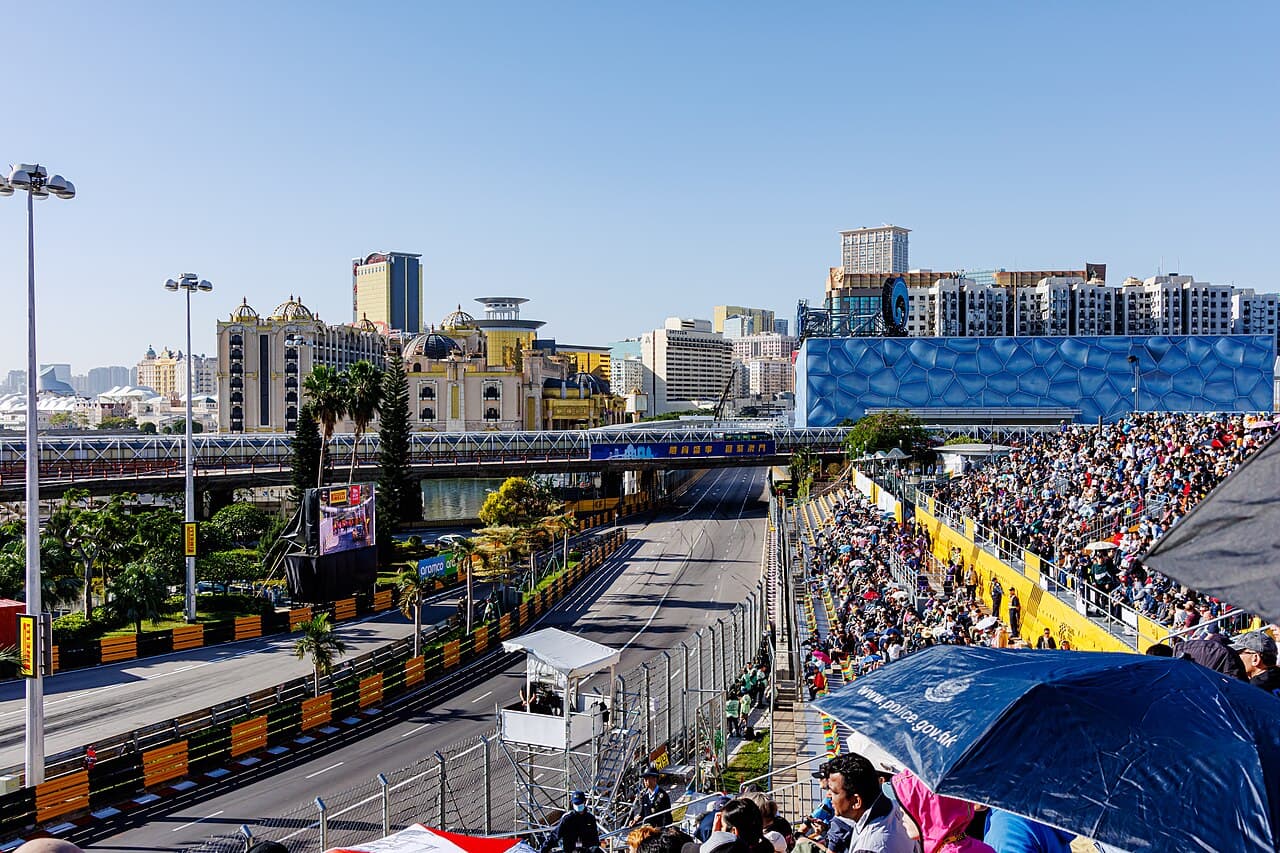
Macau marks 20 years since its handover from Portuguese rule in 1999, celebrating two decades under China's 'one country, two systems' framework as its casino industry faces renewed scrutiny over revenue decline and capital outflow restrictions.
Macau marked the 20th anniversary of its handover from Portuguese rule to Chinese sovereignty on December 20, 2022. The milestone was marked by official ceremonies and public events across the special administrative region. Macau operates under the "one country, two systems" framework, retaining its own legal and economic systems while being part of China. The territory, composed of the Macau Peninsula, Taipa, Coloane and the Cotai reclamation area, covers 32.9 square kilometers and has a population of 720,000. It borders Zhuhai to the north and west and lies west of Hong Kong across the Pearl River estuary. Gambling has been legal in Macau since the 1850s, and the industry has long anchored the local economy. Recent years have seen the opening of new mega-casinos on the Cotai Strip, drawing tens of thousands of visitors daily from mainland China. However, casino revenue has recently declined sharply, reflecting growing regulatory scrutiny and economic pressures. This anniversary occurs as the sector navigates a pivotal moment of transformation amid tightening oversight.
The return to China and the 20-year milestone
Macau was a Portuguese colony until 1999 when sovereignty was transferred to China under the 'one country, two systems' framework. The 20th anniversary of this handover is being marked across the territory, highlighting its unique status as China's only legal gambling hub.
The milestone underscores two decades of transformation since the handover. Macau’s legalisation of gambling dates to the 1850s, but its modern casino industry expanded rapidly after 2001, when the government ended a four-decade monopoly and opened the market to global operators. The Cotai Strip, a reclaimed area between Taipa and Coloane, has since become the epicentre of this growth, with several mega casinos launching recently.
The 20th anniversary coincides with broader scrutiny of Macau’s reliance on gambling. Tens of thousands of visitors cross daily from Zhuhai, drawn by promotions and free services, while the sector faces headwinds from regulatory shifts and declining revenue. The anniversary reflects both the territory’s economic evolution and the challenges of sustaining its casino-driven model amid tightening oversight.
Figures from the source material include: 20th anniversary of its return to China, tens of thousands of people daily, about 400 years of gambling history, 720,000 people, 32.9 square kilometers, 1850s, 2001, and four-decade gambling. These details frame Macau’s identity as a gambling capital, though recent revenue declines mark a pivotal shift.
The handshake between tradition and modernity defines this milestone. While casinos remain central to Macau’s economy, the 20-year reflection reveals a sector adapting to new pressures, from regulatory crackdowns to changing visitor patterns, all within the constraints of its special administrative status.
The rise of the Cotai Strip and recent casino expansion
Macau’s gambling sector has expanded rapidly since 2001, especially on the Cotai Strip, a reclaimed land area between Taipa and Coloane. Several mega‑resorts have opened on this strip, including W Macau – Studio City. These developments have shifted the tourism model from gaming alone to integrated entertainment destinations that combine hotels, retail and live performances. The expansion has been a key driver of revenue growth for the region’s casinos.
The Cotai Strip’s growth stems from the 2001 policy change that ended a four‑decade monopoly on gambling. By allowing multiple operators to build large resorts, the government created a competitive environment that spurred investment. New properties now feature not only extensive gaming floors but also conference facilities, high‑end restaurants and stage shows, aiming to attract visitors beyond high‑rollers.
Recent openings have added capacity and diversified offerings. The influx of visitors from mainland China remains strong, with tens of thousands entering daily, often greeted by flyers, discount coupons and free transport to the casinos. This flow sustains the local economy, which relies heavily on gambling receipts.
Despite this growth, the sector faces mounting pressure. A China‑wide crackdown on capital outflow has led to a sharp decline in casino revenue, marking the steepest setback since the post‑Covid recovery. The downturn has prompted operators to adjust marketing strategies and seek alternative sources of income.
The 20th anniversary of Macau’s return to China is being marked amid these dynamics, highlighting both the region’s evolution as a global gambling hub and the increasing scrutiny from regulators. The milestone underscores how Macau’s identity has shifted from a Portuguese outpost to a Chinese special administrative region navigating economic and political challenges.
Daily influx of visitors and economic reliance on gambling
Macau draws tens of thousands of visitors each day from mainland China. Many arrive on organized tours or shuttle services that are promoted with flyers, discount coupons, and free rides to the city’s 34 casinos. These arrivals form the backbone of Macau’s tourism flow and sustain a steady stream of foot traffic to the gambling venues.
The gambling sector remains central to the local economy, though its influence has deep historical roots. Casinos have operated in Macau for roughly 400 years, dating back to the 16th century when gambling first took hold in the Portuguese colony. Legal gambling began in the 1850s and continued uninterrupted even after the handover to China in 1999. The industry expanded rapidly after 2001, when the government ended the four-decade monopoly of a single operator and opened the market to competition. Since then, new mega casinos have risen on the Cotai Strip, reshaping the urban landscape and creating thousands of jobs.
Economic reliance on gambling persists despite recent headwinds. A crackdown on capital outflows has led to a sharp decline in casino revenue, marking the steepest setback for the sector since its post‑Covid recovery. Nevertheless, the industry still accounts for a substantial share of Macau’s gross domestic product and tax income. The territory’s compact size — 720,000 people on 32.9 square kilometers — concentrates economic activity around the casino hubs, while its location on the Pearl River estuary, bordered by Zhuhai and opposite Hong Kong, continues to channel a daily influx of mainland gamblers.
Regulatory challenges and recent revenue decline
Macau’s casino operators have reported a sharp drop in revenue as China tightens oversight of cross-border money flows and enforces stricter anti‑money laundering rules. Industry insiders say the decline represents the most pronounced contraction since the sector reopened after pandemic restrictions, eroding the growth momentum that followed the end of the former monopoly in 2001. The slowdown coincides with a broader push by Beijing to curb capital flight and to ensure that gaming revenues do not fuel illicit financial activity. Regulators have intensified inspections of casino cash‑handling systems and have demanded greater transparency in the sourcing of high‑roller funds. As a result, some properties have scaled back promotional offers and adjusted gaming floor layouts to meet compliance standards. Analysts note that while Macau remains the world’s largest gambling market by revenue, its reliance on a handful of mega‑casinos makes the sector vulnerable to policy shocks. The current downturn forces operators to reconsider expansion plans and to diversify revenue streams beyond traditional slot and table gaming. Observers warn that sustained pressure could reshape the competitive landscape, prompting consolidation or a shift toward non‑gaming hospitality services. The situation underscores the fragile balance between Macau’s ambitions as a tourism hub and the regulatory climate imposed by Beijing.
Historical context of gambling in Macau
Gambling has been legal in Macau since the 1850s, when the Portuguese colonial administration first permitted the activity. The sector has operated for roughly 400 years in various forms, embedding itself deeply within the territory's social and economic fabric. Casino operations began in the early 16th century, shortly after Portuguese settlement, and evolved from informal gambling dens to a structured industry. Legalisation formalised the practice, allowing organised gambling to flourish. Over centuries, gaming became a consistent economic pillar, shaping social life and urban development. The industry expanded steadily through the colonial period and into the 20th century. A pivotal shift occurred in 2001 when the government terminated the monopoly of a single operator, opening the market to international competitors. This liberalisation triggered rapid growth, culminating in the development of the Cotai Strip. Today, Macau remains the only location in China where casinos operate legally under this long-standing framework. The 400-year continuity underscores gambling's entrenched role in Macau's identity, even as recent regulatory pressures introduce new uncertainty. The 20th anniversary of Macau's return to China highlights both the enduring significance of gaming and the challenges of maintaining this legacy amid evolving national oversight.
Leadership changes and cultural events in the casino sector
Sammy King has taken charge of W Macau – Studio City as its new General Manager. In a separate move, KUN introduced the 'THE DEADMAN' tour across Macau venues. Both appointments aim to reinvigorate brand appeal and broaden entertainment beyond gaming. The shifts come as the sector faces rising scrutiny and intense competition on the Cotai Strip. King’s leadership follows a period of revenue strain after a China crackdown on capital flows, which triggered the steepest post‑Covid decline in casino earnings. Operators are increasingly turning to non‑gaming attractions to sustain visitor interest. The appointments highlight the industry’s effort to diversify its offering while navigating regulatory pressures. Macau’s casino landscape continues to evolve as it balances growth ambitions with tighter oversight. The changes underscore a broader push to modernise the market’s entertainment mix.
Demographics and geographic layout
Macau has a population of about 720,000 people within a land area of 32.9 square kilometers. The territory comprises the Macau Peninsula, Taipa, Coloane, and the Cotai reclamation zone, and borders Zhuhai to the north and west, separated from Hong Kong by the Pearl River estuary.
Macau consists of the Macau Peninsula, Taipa, Coloane, and the Cotai reclamation zone between Taipa and Coloane, and several smaller islets.
Frequently asked questions
What is Macau known for?
Macau is known for its bright lights and glitzy casinos. It is a destination famous for its casino industry and the only place in China where casinos are legal.
Why is Macau in the news now?
Macau is marking the 20th anniversary of its return to China. It was a former Portuguese colony and uses the same political model as Hong Kong under the 'one country, two systems' framework.
How many people visit Macau's casinos daily?
Macau attracts tens of thousands of people daily from the Chinese border who are greeted by flyers, discount coupons, and free rides to its 34 casinos.
What is Macau's population and size?
Macau has a population of about 720,000 people and a land area of 32.9 square kilometers. It consists of the Macau Peninsula, the islands of Taipa and Coloane, the Cotai reclamation zone, and several smaller islets.
When did gambling become legal in Macau?
Gambling has been legal in Macau since the 1850s when the Portuguese government legalised the activity in the autonomous colony.