Met Office warns of 36C heat as fifth heatwave of summer grips the UK
With amber heat health alerts covering nearly all of England and temperatures forecast to reach 36C or higher, the UK's fifth heatwave of the summer is straining water supplies, roads, railways and power networks.

The Met Office forecast temperatures of around 36C in parts of the UK during the week of 10 August 2026, with amber heat health alerts covering nearly all of England. It was the country's fifth heatwave of the summer, with warnings of disruption to railways, power networks and water supplies.
Amber heat health alerts have been issued for nearly all of England as the Met Office forecasts temperatures of around 36C across parts of the UK in the week of 10 August 2026. For many areas, this is the fifth heatwave of the summer. An amber extreme heat warning covering the United Kingdom has raised the possibility of temperatures reaching 38C, with the alerts set to remain in place until Friday evening. The heat is the latest chapter in an exceptional season. The Met Office has indicated the summer is likely to be the hottest on record in the UK, and the British heatwaves form the western edge of a broader sequence of extreme heat events across Western and Central Europe. July brought a record number of wildfires, more than 10,000 homes have been left without water, and the AA logged around 40,000 pothole-related breakdown calls in a single month. The Met Office has warned the heat could strain infrastructure, including railway lines and power networks, and says further warnings are possible. Libraries have opened as cool spaces, and health services are bracing for the impact on vulnerable people.
A fifth heatwave of the summer bears down on Britain
The Met Office forecast temperatures of around 36C in parts of the UK during the week of 10 August 2026, as the country braced for its fifth heatwave of the summer. An amber extreme heat warning was issued covering the United Kingdom, with the Met Office cautioning that temperatures could potentially reach 38C at the peak of the hot spell.
Amber heat health alerts were put in place covering nearly all of England, and were set to remain in force until Friday evening. The alerts signalled that the hot weather was likely to affect health and social care services, with vulnerable people at particular risk.
For many parts of the UK, this marked the fifth heatwave of the summer of 2026, extending an already exceptional run of hot weather. The Met Office warned that the heat could put strain on national infrastructure, with railway lines and power networks both identified as vulnerable to disruption as temperatures climbed. Rail passengers were advised of the potential for speed restrictions and delays, while the risk of power cuts rose with surging demand for cooling.
The Met Office also indicated that further weather warnings were possible as the heatwave approached, suggesting the picture could worsen before conditions improved. Forecasters urged the public to keep up to date with the latest warnings as the week progressed, with the situation expected to evolve day by day.
A summer of records: how 2026's heat built up
The August heatwave was not an isolated event but the latest chapter in an extraordinary season. During 2026, parts of the United Kingdom experienced a series of record-breaking heatwaves that formed the western part of a broader sequence of extreme heat events across Western and Central Europe. The scale of the summer has been such that Wikipedia now maintains an article documenting the 2026 European heatwaves, including sourced death tolls.
The Met Office has indicated that the summer was likely to be the hottest on record in the UK, a judgement that would crown months of sustained exceptional warmth. Reports described July as hot and dry across the country.
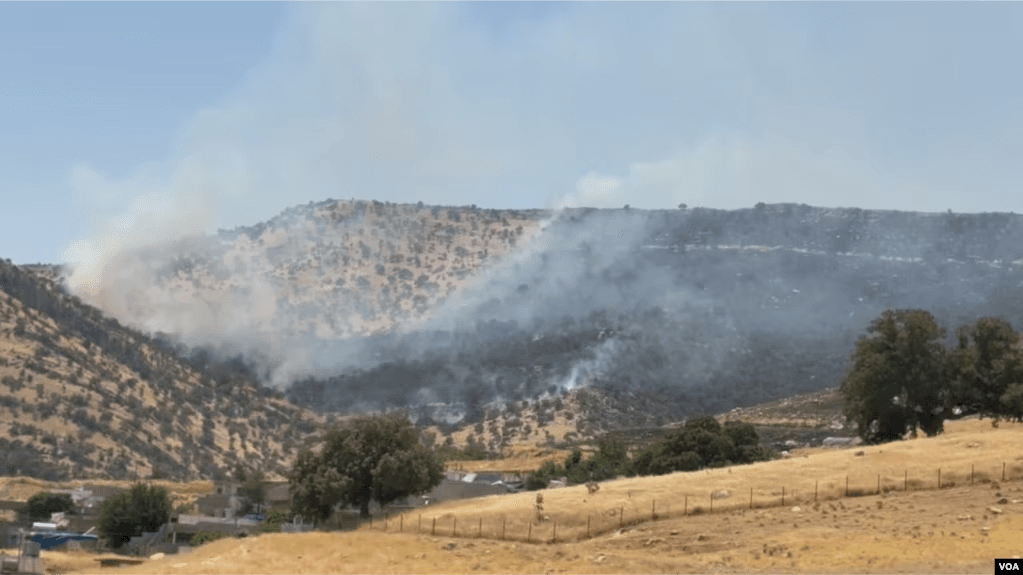
The consequences were already visible before August arrived. The number of wildfires recorded in the UK broke a record in the previous month, as parched vegetation provided ready fuel during the prolonged dry spell.
That context matters for understanding the fifth heatwave of the summer. Each successive spell of extreme heat has landed on ground already stressed by the last, with little recovery time between events. What might once have been treated as a rare weather emergency has, over the course of 2026, become a repeating feature of the British summer — and one mirrored across much of the continent.
A letter writer recalled attending the launch of the Met Office's first forecasts on the impact of climate change on the UK.
The number of wildfires recorded in the UK broke a record in the month before the August heatwave.
Heatwave conditions contributed to around 40,000 pothole-related breakdown calls in one month, according to the AA.
The Met Office forecast temperatures of around 36C in parts of the UK during the heatwave.
Amber heat health alerts were issued covering nearly all of England.
Many parts of the UK were expected to experience a fifth heatwave of the summer of 2026.
The Met Office warned that the heatwave could affect infrastructure, including railway lines and power networks.
The Met Office indicated that further weather warnings were possible as the heatwave approached.
A solar eclipse was expected to be visible from the UK, with favourable viewing conditions forecast for many areas.
The Met Office issued a power cut warning covering 37 UK areas during the country's fifth heatwave of the summer.
The amber heat alerts were set to remain in place until Friday evening.
The Met Office indicated that rain would return to parts of the UK within days of the heatwave.
Water outages, wildfires and 40,000 pothole breakdowns
The heat has left a mark well beyond the thermometer. More than 10,000 homes were left without water during the heatwave, and the previous month saw the number of wildfires recorded in the UK break a record, underlining how dry conditions have become across the country.
The Met Office warned that the extreme temperatures could affect infrastructure, including railway lines and power networks, raising the prospect of disruption to transport and electricity supplies at the height of the heat. According to reports, the Met Office also issued a power cut warning covering 37 UK areas for Thursday, as the fifth heatwave of the summer took hold.
The roads have suffered too. Heatwave conditions contributed to around 40,000 pothole-related breakdown calls in a single month, according to the AA. High temperatures soften road surfaces and worsen existing damage, leaving drivers to contend with deteriorating conditions on top of the heat itself.
The president of the AA warned drivers about the risks posed by warmer weather on UK roads, urging motorists to take the conditions seriously. The combination of buckling infrastructure, strained water supplies and record wildfire activity has turned what might once have been treated as a spell of welcome sunshine into a test of the country's basic services.
Health alerts and the hunt for cool spaces
Amber heat health alerts were issued covering nearly all of England as the heatwave took hold, with the warnings set to remain in place until Friday evening. The alerts signal that the heat poses risks beyond the most vulnerable groups, putting health and care services under pressure as temperatures climb towards 36C in some areas.
The warnings carry particular weight for older people, young children and those with existing health conditions, as well as for the NHS, which typically sees demand rise during prolonged hot spells. The Met Office also cautioned that the heat could strain infrastructure, including railway lines and power networks, adding to the burden on public services trying to keep people safe.
At community level, some of the response has fallen to local institutions. Some UK libraries have been operating as cool spaces during hot weather, offering air-conditioned or shaded refuge to people whose homes become dangerously warm — a role that has grown more familiar with each heatwave of the summer.
With temperatures of up to 38C possible under the amber extreme heat warning, and the Met Office indicating that further warnings could follow as the heat built, officials urged the public to take the alerts seriously rather than treat the sunshine as a cause for celebration.
Letters page anger over animals, reservoirs and warnings ignored since 1998
The heat also dominated the letters pages, where correspondents including Claire Bass, Chris Phillipson, Mick Beeby, Julian McDonough, Steve Lindsay and Martin Gray voiced frustration at failures they argued long predated this summer's temperatures.
Animal welfare was a recurring theme. Letter writers argued that the government was overlooking the impact of heatwaves on animals, even as amber health alerts for humans covered nearly all of England.
Water supply drew similar anger. One writer contended that water companies in the south of England had failed to act on long-standing scientific predictions of drought by building reservoirs — a charge given fresh edge by a summer in which more than 10,000 homes were left without water.
Others reached further back. One correspondent recalled attending the 1998 launch of the Met Office's first forecasts on the impact of climate change on the UK, the implication being that the warnings now dominating the news were issued, in essence, more than a quarter of a century ago.
Together the letters traced a common thread: that the disruption of the 2026 heatwaves was foreseeable, and in large part foreseen.
Eclipse on Wednesday, then rain: what the forecast holds
Away from the heat itself, the week offers a rare spectacle. A solar eclipse is expected to be visible from the UK on Wednesday, and forecasters say viewing conditions look favourable across many areas.
Looking further ahead, BBC Weather has published its monthly outlook, setting out likely trends for the UK over the following four weeks. For those hoping the heat breaks quickly, there are encouraging signs. Reports suggest the Met Office expects rain to return to parts of the UK within days of the 36C peak. In Greater Manchester, the forecast indicates the short heatwave will not last long, according to local coverage of the Met Office outlook.
Not everywhere faces the same intensity, either. Derbyshire sits under its own extreme heat warning, with temperatures there forecast to reach 34C rather than the higher peaks expected elsewhere, according to reports.
The picture, then, is one of a sharp but relatively brief burst of heat for many regions, with the eclipse providing a midweek distraction before cooler, wetter weather moves in.
What happens after Friday
The amber heat health alerts covering nearly all of England were, at the time the warnings were issued, due to expire on Friday evening. Whether they would actually be lifted at that point, extended, or replaced by something else remained an open question. The Met Office had already signalled that further weather warnings were possible as the heatwave approached, and nothing in the forecast ruled out the prospect of the alert picture changing before the weekend.
That uncertainty matters because the alerts are not ceremonial. They trigger responses across the health and care system, and their duration shapes how hospitals, care homes and local services plan. An alert lifted on schedule on Friday evening would suggest the worst of the heat had passed within the forecast window. An extension would tell a different story: that the hot conditions were outlasting the original projections, or that overnight temperatures were staying high enough to keep the health risk elevated. At the time of writing, neither outcome could be confirmed. The Friday evening deadline was a marker on the calendar, not a settled fact.
The same applies to the Met Office's wider warning picture. The forecaster had indicated that additional warnings could follow as the heatwave developed, covering the possibility that conditions on the ground — on railway lines, power networks and elsewhere — might warrant escalation beyond what had already been announced. What form any such warnings might take, which areas they would cover, and whether they would prove necessary at all were questions available reporting could not answer. According to some reports, an amber extreme heat warning had been issued with temperatures potentially reaching 38C, but the precise scope and status of that warning, and how it related to the health alerts running in parallel, remained unclear.
There is also the question of what the heatwave leaves behind. More than 10,000 homes had been left without water during the hot weather, and reports suggested the Met Office had issued a power cut warning covering 37 UK areas for Thursday. Which specific regions were affected, how long supplies were interrupted, and how quickly water and power were restored were not yet known. The answers will determine whether the infrastructure strain of this week is remembered as a brief disruption or as evidence of something more serious. The Met Office had warned that the heat could affect railway lines and power networks; whether those warnings translated into sustained damage, and how the networks coped, is part of the story that can only be told after the fact.
Then there is the record books question, which will take longest to resolve. The Met Office had indicated that the summer of 2026 was likely to be the hottest on record in the UK. That assessment, made while the season was still under way, was a projection rather than a confirmation. Whether it holds will depend on the final figures for the whole of the season, which cannot be compiled until the summer ends. A single heatwave, however intense, does not settle a seasonal record on its own. What the fifth heatwave of the summer does is add weight to a pattern that had already been building: a hot and dry July, according to reports, a record number of wildfires the previous month, and a sequence of extreme heat events that formed the western part of a broader episode across Western and Central Europe. But the formal confirmation — the moment the Met Office can say definitively that this was the hottest summer in its records — still lay ahead.
The same is true of the human cost. Heat-related deaths are typically only counted properly after the event, through excess mortality analysis rather than real-time reporting. How many deaths or serious health impacts this heatwave produced was not yet known, and any figure circulating in the immediate aftermath would be provisional at best. Wikipedia maintains an article documenting the 2026 European heatwaves, including sourced death tolls, but those numbers are revised as official statistics catch up with events. The true toll of the week of 10 August will not be clear for some time.
Even the short-term forecast carried an element of the unresolved. The Met Office had indicated, according to reports, that rain would return to parts of the UK within days of the 36C heat, and that the hot spell in places such as Greater Manchester and Devon would be short-lived. If that held, the fifth heatwave would break relatively quickly, with cooler and wetter conditions following behind. But the exact timing of the transition, and whether the rain would arrive as forecast, remained to be seen. Until it did, the country was still in the heat, the alerts were still running, and the questions that this week has raised — about records, about infrastructure, about the cost to health — were still waiting for their answers.
Frequently asked questions
How hot will the UK heatwave get?
The Met Office forecast temperatures of around 36C in parts of the UK during the week of 10 August 2026, with an amber extreme heat warning indicating temperatures could potentially reach 38C. The Met Office also indicated the summer was likely to be the hottest on record in the UK.
What weather warnings are in place for the UK heatwave?
Amber heat health alerts were issued covering nearly all of England and were set to remain in place until Friday evening. The Met Office also issued an amber extreme heat warning covering the United Kingdom, and indicated that further weather warnings were possible as the heatwave approached.
Is this the fifth heatwave of summer 2026?
Yes. Many parts of the UK were expected to experience a fifth heatwave of the summer of 2026, following a series of record-breaking heatwaves that formed the western part of a broader sequence of extreme heat events across Western and Central Europe during the year.
How is the heatwave affecting UK infrastructure and services?
The Met Office warned the heatwave could affect infrastructure, including railway lines and power networks. More than 10,000 homes were left without water during the heatwave, and heatwave conditions contributed to around 40,000 pothole-related breakdown calls in a single month, according to the AA.
When will the UK heatwave end?
The Met Office indicated that rain would return to parts of the UK within days of the 36C heatwave, according to reports. The forecast for Greater Manchester indicated the short heatwave would not last long, and amber heat alerts were set to remain in place only until Friday evening.