Fan choreography cancelled ahead of Nürnberg derby
Fan groups called off planned tifos before kick-off, leaving spectators disappointed for the 2. Bundesliga derby at Sportpark Ronhof.
Fan choreography was cancelled before kick-off for the 2. Bundesliga derby between Nürnberg and Fürth at Sportpark Ronhof, disappointing spectators, though Nürnberg secured a dramatic victory.
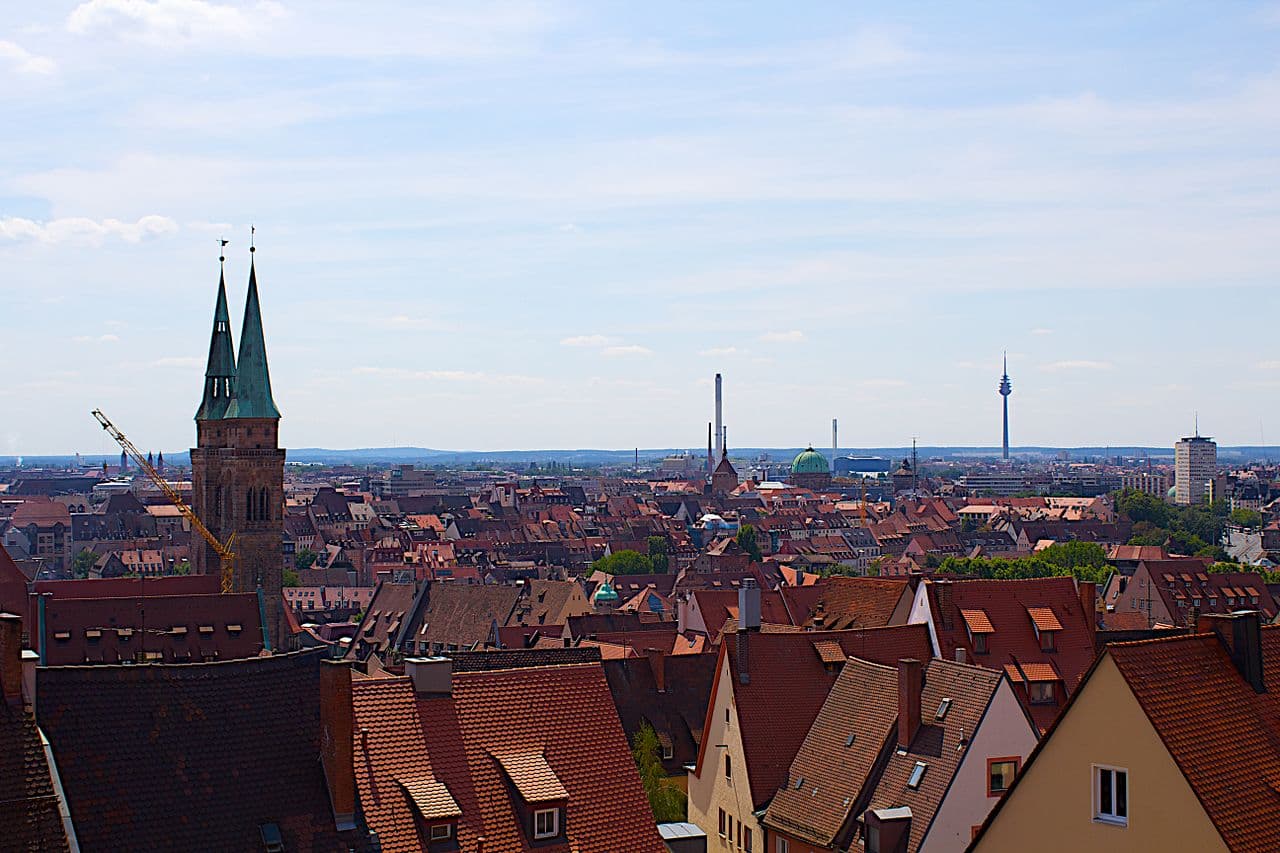
Fan choreographies were cancelled ahead of the 2. Bundesliga derby between Nürnberg and Fürth at Sportpark Ronhof. Nürnberg, the second-largest city in Bavaria and the largest in Franconia, has a population of 546,397 and ranks 13th among German cities. It is part of a metropolitan area of roughly 820,000 people that includes Fürth, Erlangen and Schwabach. The cancellation disappointed spectators, while the match ended with a 2-1 victory for Miroslav Klose’s Nürnberg side, secured by goals from Julian Justvan and Piet Scobel. This derby reflects ongoing regional rivalries. It also comes amid broader public interest in the city’s history, including the naming of three German cruisers after Nürnberg.
Choreographies cancelled before kick-off
Fan groups had prepared tifos for the derby against Fürth but decided to scrap them at the last minute, disappointing spectators who had expected visual displays. The choreographies were called off before kick-off at Sportpark Ronhof, the home ground of Greuther Fürth. Fans had anticipated vibrant displays symbolising local pride and rivalry, but instead, the stands remained largely empty of coordinated colour. While the exact designs and messages remain unclear, pre-match anticipation had built around large-scale visual tributes from supporter sections. Organisers cited logistical and emotional factors as reasons for the change, though no official statement detailed the decision. The move sparked quiet disapproval among attendees, many of whom had planned their matchday experience around the spectacle. Despite the absence of choreography, the derby retained intensity, with Julian Justvan and Piet Scobel contributing to Nürnberg’s dramatic victory over Fürth.
Match outcome and derby significance
Miroslav Klose’s Nürnberg secured a dramatic victory over Fürth in the 2. Bundesliga derby at Sportpark Ronhof. The win was built on the contributions of Julian Justvan and Piet Scobel, whose efforts turned the match in Nürnberg’s favour. The game drew a packed crowd, but the atmosphere was tempered by the cancellation of planned tifo choreographies by fan groups ahead of kick‑off. Spectators had anticipated a visual spectacle, and the absence of the displays left a noticeable gap in the pre‑match excitement. Nevertheless, the result underscored Nürnberg’s resilience and added three points to their league campaign. The derby also reinforced the city’s sporting identity, linking the historic rivalry with a modern push for promotion. According to reports, the win was celebrated as a pivotal moment in the club’s season.
Metropolitan context and city profile
Nürnberg, home to 546,397 residents in 2024, ranks as Germany’s 13th-largest city and the second-largest in Bavaria. It is the largest urban centre in the cultural region of Franconia and part of a metropolitan area of roughly 820,000 people that also includes Fürth, Erlangen and Schwabach. The city’s administrative role as a district-free major city in Middle Franconia underscores its regional significance. Its population figures place it ahead of other Franconian cities, while its historical weight is reflected in naval history, where three German cruisers bore the name Nürnberg. A 2. Bundesliga derby at Sportpark Ronhof, Fürth’s home ground, drew attention when scheduled tifos were withdrawn, leaving fans without planned displays. The match saw Miroslav Klose’s side edge a narrow victory, with Julian Justvan and Piet Scobel contributing to the result. The cancellation of choreographies before kick-off affected spectator expectations, highlighting the cultural weight of local derbies. Nürnberg’s identity blends urban scale, regional leadership and historical continuity, shaping its role in Bavarian and national contexts. The city’s metropolitan structure reinforces its function as a hub within Franconia, influencing both civic and sporting dynamics in southern Germany.
Historical naming of German cruisers
Three German naval vessels have carried the name Nürnberg, reflecting the city’s enduring presence in military history. The first SMS Nürnberg launched in 1906, followed by a second vessel of the same designation in 1916. A third cruiser bearing the name entered service in 1934. Each ship bore the name of Germany’s second-largest city in Franconia, linking naval heritage to regional identity. The naming continuity underscores how place names were embedded in national military tradition during periods of imperial expansion and later rearmament. While unrelated to the 2024 football derby, this historical thread connects civic identity with state apparatus across centuries. The legacy persists despite changing naval doctrines and the city’s evolving demographic profile.
Frequently asked questions
Why were tifos cancelled at the Nürnberg derby?
Fan groups called off choreographies before kick-off, leading to disappointment among spectators.
Where did the Nürnberg vs Fürth match take place?
The match took place at Sportpark Ronhof, the home ground of Greuther Fürth, as stated in the briefing.
How many German cruisers were named Nürnberg?
Three German cruisers were named Nürnberg, including SMS Nürnberg (1906), SMS Nürnberg (1916), and a cruiser launched in 1934.
Who helped Miroslav Klose’s Nürnberg defeat Fürth?
Julian Justvan and Piet Scobel helped Miroslav Klose’s Nürnberg defeat Fürth in a dramatic 2. Bundesliga derby, according to the briefing.
What is Nürnberg’s population and rank in Germany?
Nürnberg’s population is 546,397 (2024), making it the 13th-largest city in Germany.