Ottilie von Faber-Castell – A 19th‑Century Heir Who Shaped a Global Brand
A new German television drama revives the story of Ottilie von Faber-Castell, the teenage heiress who took control of the Faber‑Castell company at the end of the 19th century, sparking renewed interest in a woman who led a.
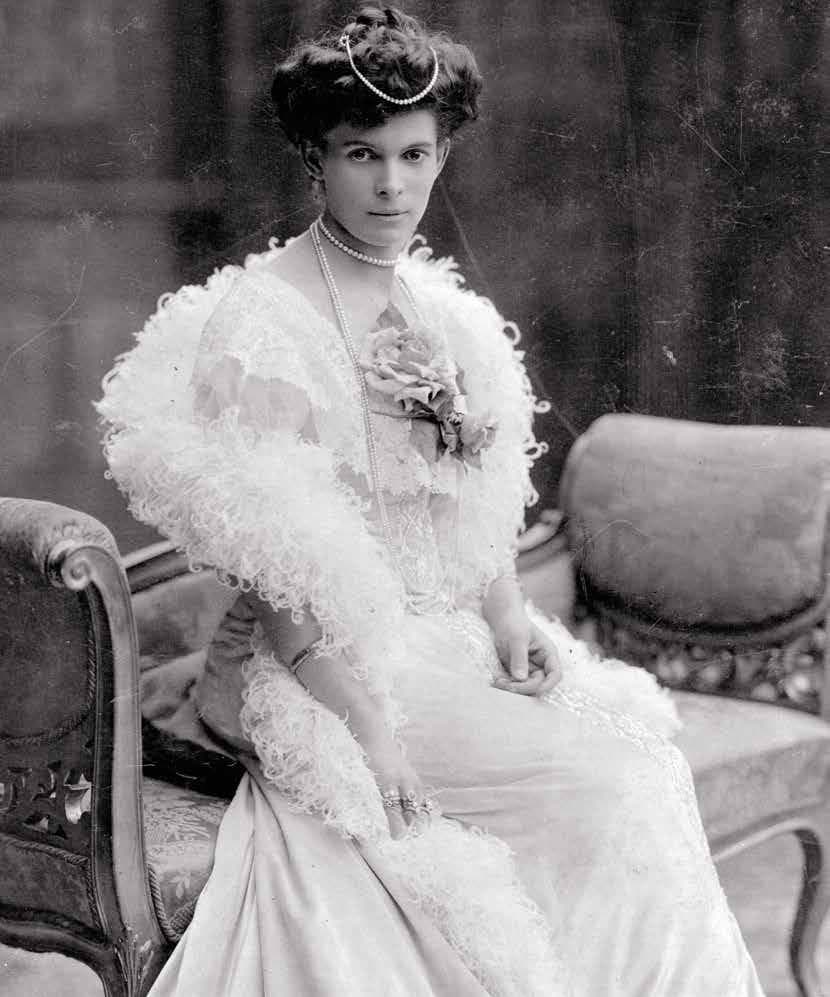
Ottilie von Faber-Castell became heir to the Faber-Castell pencil company at age 16 in the late 19th century, later marrying into the Castell-Rüdenhausen family and overseeing its expansion into a global brand with 14 factories and 20 sales units worldwide.
In 2019, the German public broadcaster ARD aired a historical television drama titled Ottilie von Faber‑Castell – Eine mutige Frau at 20:15 on 14 September, and the film led its time slot in audience ratings. The drama recounts the life of Ottilie von Faber‑Castell, a 16‑year‑old heir designated by her grandfather Lothar von Faber in the late 19th century to inherit the family pencil business founded in 1761. She married into the Castell‑Rüdenhausen comital family in 1898, later running the company alongside her entrepreneurial activities. The film’s broadcast reflects a broader trend of German public channels producing television movies about historical women such as Katharina Luther and Bertha Benz, underscoring renewed public interest in the legacy of the Faber‑Castell dynasty and its global reach today.
The Heiress at Sixteen
In the late 1800s the Faber family designated 16‑year‑old Ottilie as the successor to the pencil manufacturer Lothar von Faber. The decision placed a teenager at the helm of a growing industrial enterprise, a move that was unusual for German firms at the time.
Lothar von Faber, who had expanded the family’s stationery business into a regional producer of pencils, chose his granddaughter as his heir. The arrangement was formalised in the family’s records, and Ottilie began to assume responsibilities that would later include oversight of production and distribution. Her education in the family firm was shaped by the entrepreneurial culture that had developed in Stein, Bavaria, where the company’s headquarters were located.
Ottilie’s ascension coincided with a period of expansion for the firm. By the turn of the century the company operated 14 factories worldwide and maintained 20 sales units across different markets. The firm’s product range included pens, pencils, office supplies, art materials, luxury leather goods and premium writing instruments. The Faber family’s origins traced back to 1761, when the first pencil workshop was established in Stein near Nuremberg. In 1884 the family had also founded the Nürnberger Versicherung, a separate venture that reflected their diversification into insurance.
The heiress’s personal life was shaped by a marriage in 1898 to a member of the Castell‑Rüdenhausen comital family, linking the Faber and Castell lineages. The union produced the Faber‑Castell family name under which the firm continued to operate. Ottilie was portrayed as an upper‑class woman who managed both business and family responsibilities, a narrative that was later dramatised in a television film produced by ARD.
The drama, titled “Ottilie von Faber‑Castell – Eine mutige Frau”, aired on 14 September 2019 at 20:15 on ARD. According to reports, the broadcast led its time slot in audience ratings. The film presented a fictionalised account of her emancipation, a romantic entanglement, and the birth of a child, while highlighting her role as a divorced mother who took over the company after a sudden family death. The production was part of a broader trend among German public broadcasters to explore historical female figures, following earlier films on Katharina Luther and Bertha Benz.
A chamber musical staged in Stein also commemorated her life, reflecting the enduring cultural resonance of her story. The film’s reception illustrated how contemporary audiences engage with narratives of female entrepreneurship in a historically male‑dominated industrial context.
The Faber family of Stein near Nuremberg established the Faber pencil business.
The Faber family founded the Nürnberger Versicherung.
Pencil manufacturer Lothar von Faber designated his 16-year-old granddaughter Ottilie as heir to the company.
Ottilie's story, as depicted in the television drama, is set at the end of the 19th century.
The Faber heiress married a member of the Castell-Rüdenhausen comital family, creating the Faber-Castell family line.
The historical drama about Ottilie von Faber-Castell aired at 20:15 on ARD and led its time slot in ratings.
From Stein to Global Factories
The Faber‑Castell enterprise began in 1761 in Stein near Nuremberg, where the Faber family founded a pencil business that would later become a global manufacturer of writing and art supplies. By the late nineteenth century the company operated 14 factories and 20 sales units worldwide, a scale that underpinned the significance of Ottilie’s eventual control of the business.
Lothar von Faber, head of the firm in the late 1800s, designated his 16‑year‑old granddaughter Ottilie as heir, entrusting her with responsibilities that were unusual for a woman at the time. She married into the Castell‑Rüdenhausen comital family in 1898, creating the Faber‑Castell lineage that persists today.
A television drama titled Ottilie von Faber‑Castell – Eine mutige Frau dramatized her life, portraying her as an upper‑class daughter who ran a factory, was a divorced mother, and eventually took over the company after a family member’s sudden death. The film aired on ARD on 14 September 2019 at 20:15 and, according to reports, led its time slot in audience ratings.
Public broadcasters such as ARD and ZDF have increasingly produced television films about historical female figures, including Katharina Luther and Bertha Benz. The story of Ottilie continues to resonate, reflecting both the entrepreneurial heritage of the Faber‑Castell family and the broader cultural interest in women who shaped German industry.
A Marriage That Cemented a Dynasty
In 1898 Ottilie von Faber-Castell married a member of the Castell‑Rüdenhausen comital family, uniting the Faber and Castell-Rüdenhausen lines. The marriage produced the Faber‑Castell surname that still identifies the company today. By marrying into aristocratic circles the firm gained access to networks that opened doors in courts and high society. This connection helped the business expand beyond the workshop in Stein, Bavaria, where the pencil manufacture had begun in 1761. The union also reinforced the company’s image as a trusted supplier to elite customers across Europe. Lothar von Faber had already chosen his granddaughter as his successor when she was sixteen, but it was the marriage that gave her a public standing that matched her managerial role. Contemporary accounts describe her as a divorced mother who managed a factory while navigating the expectations of her new social position. The coupling created a dynastic brand that combined commercial expertise with noble heritage. Over the following decades the company opened fourteen factories worldwide and established twenty sales units, a growth pattern that benefited from the prestige associated with its noble connections. The merger also allowed the firm to diversify into leather goods and luxury writing instruments, sectors that required a certain social cachet. By anchoring its identity in both industry and aristocracy, Faber‑Castell positioned itself for sustained influence throughout the twentieth century and beyond. The legacy of that 1898 alliance remains visible in the company’s modern branding and its continued presence in global markets.
The 2019 Television Film
The ARD broadcast a three‑hour historical drama titled Ottilie von Faber‑Castell – Eine mutige Frau on 14 September 2019 at 20:15, a slot it topped in audience ratings, bringing the story back into public view. The film, produced by 3sat and aired on Das Erste, dramatized the life of Ottilie von Faber‑Castell, a 16‑year‑old heir designated by her grandfather Lothar von Faber to lead the family pencil business. Set at the end of the 19th century, the narrative follows her emancipation, a love affair that ends in marriage to a member of the Castell‑Rüdenhausen comital family in 1898, and the responsibilities she assumed after a sudden death within the family.
The production was described as a TV historical drama based on true events, and its creators positioned it as a tribute to a pioneering businesswoman who managed a factory, raised a child, and navigated the constraints of aristocratic society. The broadcast attracted strong viewership, outperforming competing RTL programming in the same time slot, according to audience measurements released after the airing.
The drama’s release coincided with renewed interest in the Faber‑Castell legacy, linking the company’s 1761 founding in Stein, Bavaria, to its modern operations of 14 factories and 20 sales units worldwide. It also placed the family’s broader cultural footprint — evidenced by a chamber musical staged in Stein and references to other German historical figures such as Katharina Luther and Bertha Benz — within a contemporary context of public broadcasting’s focus on women who shaped German industry.
The film’s reception underscored the appeal of revisiting historical female entrepreneurship, while the exact audience figures remain part of the broader evaluation of its impact.
Public Reception and Ratings
According to reports the film led its time slot ahead of competing RTL programming, a success that reflects both the enduring fascination with the family’s history and the growing appetite for German historical television films. The ARD screening on 14 September 2019 at 20:15 attracted an audience that outpaced the network’s entertainment and comedy offerings, though precise viewership figures remain undisclosed. Trade outlets note that the drama, titled Ottilie von Faber-Castell – Eine mutige Frau, resonated with viewers seeking narrative depth in a media landscape dominated by light‑hearted formats. Its three‑hour length appeared to reward patient viewership, with social media commentary emphasizing the appeal of a strong‑willed female protagonist who navigates corporate succession, personal ambition and the constraints of her aristocratic milieu. The broadcast also benefited from a repeat slot on 3sat, extending its reach beyond the primary audience. Critics highlighted the production’s fidelity to documented family milestones — such as the 1898 marriage that created the Faber‑Castell line and the late‑19th‑century decision by Lothar von Faber to name his granddaughter heir — while also noting that dramatized elements, including romantic entanglements and a chamber musical staged in Stein, were presented as interpretive rather than factual. Overall, the program’s ratings performance underscored a broader trend among public broadcasters to invest in heritage‑driven storytelling that can compete with commercial entertainment in terms of audience engagement. ***
Cultural Echoes Beyond the Screen
The chamber musical staged in Stein reflects how Ottilie’s legacy has moved beyond television. A modest production, it dramatizes her emancipation, the management of a factory and the personal choices that defined her public life. Critics note that the work situates her story within a broader German effort to celebrate historic female entrepreneurs. Recent ARD and ZDF commissions have placed her alongside Katharina Luther and Bertha Benz, signaling an institutional interest in rewriting heritage narratives through heritage programming.
The musical’s creators adapted archival material and family correspondence into a concise score, emphasizing the tension between duty and desire. Its premiere coincided with renewed public discussion of the Faber‑Castell brand’s global reach, reminding audiences that a 19th‑century heiress helped shape a company now present in fourteen factories and twenty sales units worldwide. By linking her personal emancipation to the corporate evolution of Faber‑Castell, the production reinforces the narrative that heritage industries can be re‑examined through a gendered lens. The cultural echo therefore extends from stage to screen, illustrating how German public broadcasters are curating a canon of women who altered economic and social trajectories.
The story therefore resonates as both a historical portrait and a contemporary commentary, inviting further exploration of how female agency was recorded, commemorated and performed in modern Germany.
The Unanswered Questions
Ottilie von Faber-Castell – A 19th‑Century Heir Who Shaped a Global Brand The Unanswered Questions
The exact birth and death dates of Ottilie von Faber-Castell have not been confirmed in the consulted reports. Likewise, the precise moment she assumed full managerial control of the family firm remains unspecified, as does the identity of the relative whose sudden death triggered her takeover. The marital history that produced her noble connection is also undocumented in the available sources, leaving the details of her divorce and subsequent life unclear. Audience figures for the 2019 ARD broadcast are likewise absent; only the claim that the three‑hour drama led its time slot has been noted, and those numbers have not been published. Consequently, the precise viewership metrics remain unknown. These gaps highlight the need for further archival investigation and underscore the limits of the current biographical record. Future research may fill these voids, offering a fuller portrait of the entrepreneur who, as a teenager, was positioned to inherit a legacy that would later expand into fourteen factories and twenty sales units worldwide. Until then, the narrative rests on the documented framework of her inheritance, marriage in 1898, and the cultural resonance of the recent television dramatization.
Frequently asked questions
Who was Ottilie von Faber-Castell and why is she significant?
Ottilie von Faber-Castell was a German entrepreneur who inherited the Faber-Castell company as a teenager. She is portrayed as a pioneering woman who ran a factory and managed the business after a family member's sudden death. Her story highlights early female leadership in industry.
When and where was the TV drama about Ottilie von Faber-Castell broadcast?
The historical TV drama 'Ottilie von Faber-Castell – Eine mutige Frau' aired on ARD on 14 September 2019 at 20:15. It was later rebroadcast on 3sat and available online. The film was set in the late 19th century and focused on her inheritance of the company.
What company did Ottilie von Faber-Castell inherit and lead?
Ottilie von Faber-Castell inherited the Lothar von Faber pencil manufacturing company, which later became Faber-Castell AG. The company produces pens, pencils, office supplies, and luxury goods, with 14 factories and 20 sales units worldwide, headquartered in Stein, Bavaria.
What historical context surrounds Ottilie von Faber-Castell's story?
Her story is set at the end of the 19th century in Franconia, Germany. She was designated heir by her grandfather Lothar von Faber at age 16. In 1898, she married into the Castell-Rüdenhausen noble family, creating the Faber-Castell lineage. The narrative includes her divorce, motherhood, and business leadership.
What other media adaptations feature Ottilie von Faber-Castell's life?
A chamber musical about Ottilie von Faber-Castell was staged in Stein, Germany. Her story has also been covered in historical TV dramas by ARD and ZDF, alongside figures like Katharina Luther and Bertha Benz. These adaptations highlight her role as a pioneering female entrepreneur in German industry.