Russian Navy activity surges ahead of German elections
The Russian Navy has markedly increased its deployments near Germany as election campaigns in several states intensify, raising concerns over misinformation and maritime pressure.
The Russian Navy has markedly increased its deployments near Germany as election campaigns in several states intensify, raising concerns over misinformation and maritime pressure, according to multiple intelligence reports
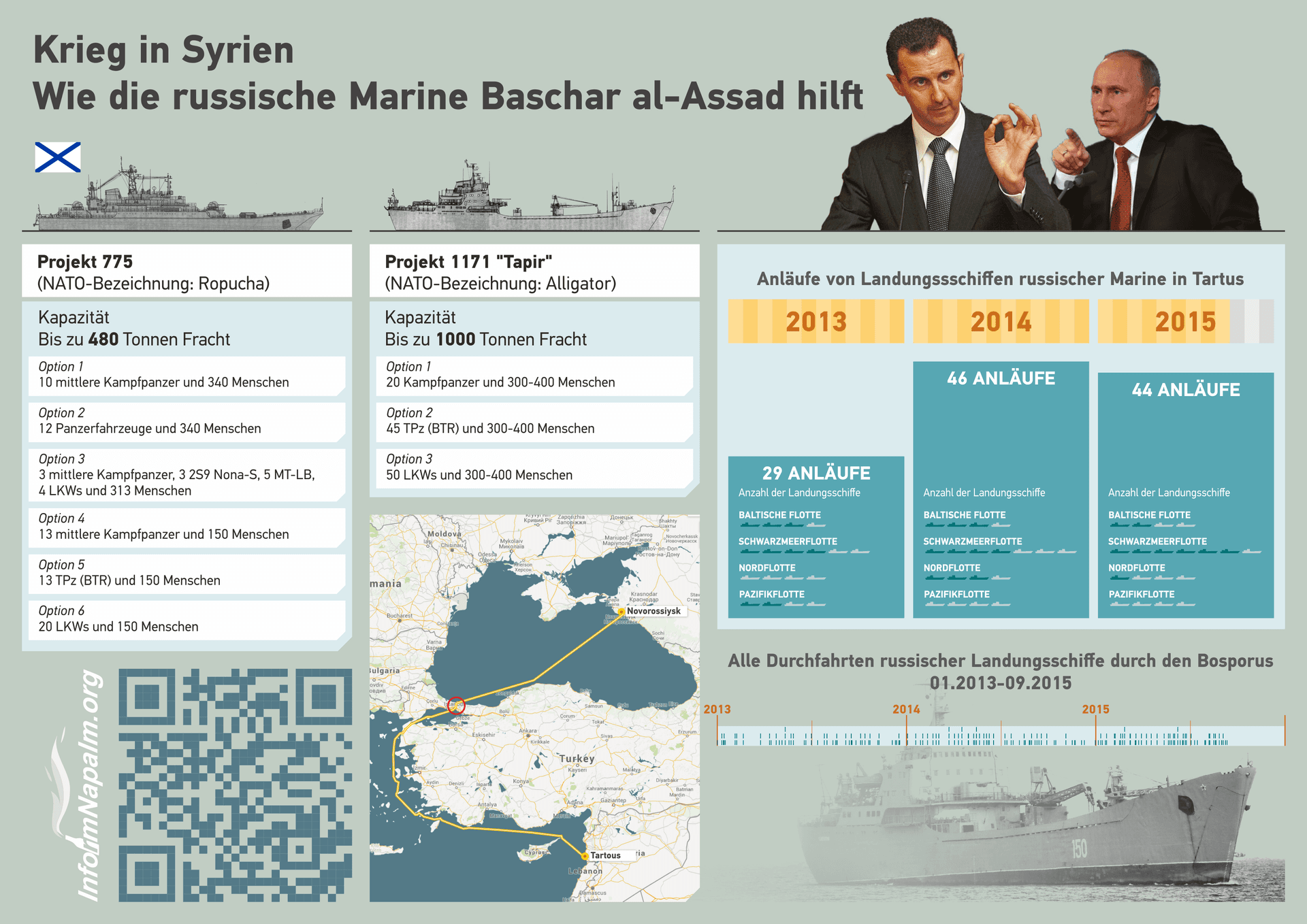
The number of Russian naval deployments approaching Germany rose sharply compared with the previous year. The Russian Navy, one of three branches of the Russian Armed Forces established in 1992, operates vessels marked with the international designation RFS. A deep‑sea rescue vehicle of the Priz class, the AS‑28, has been in service since 1986; it was designed by the Lazurit bureau in Nizhny Novgorod, measures 13.5 meters in length, stands 5.7 meters tall and can dive to 1 000 meters. German intelligence and media outlets have reported a surge in false stories, including a fabricated Deutsche Welle article claiming Chancellor Friedrich Merz’s resignation and numerous election‑related fabrications targeting candidates in Berlin, Saxony‑Anhalt, Mecklenburg‑Vorpommern and Lower Saxony. The heightened activity coincides with upcoming state elections in Germany, a period marked by intensified Russian disinformation efforts aimed at undermining political opponents. At the same time, Russia has launched a large‑scale naval exercise in the Pacific involving more than 13 000 personnel, roughly 60 ships and about 30 aircraft, helicopters and drones, according to reports that are considered low‑confidence. NATO assessments also point to logistical strain within the Russian fleet, complicating its ability to sustain operations at sea. The convergence of increased naval movements, sophisticated misinformation campaigns and geopolitical tension raises the risk of further destabilisation ahead of Germany’s electoral contests.
Significant rise in naval movements near Germany
The number of Russian naval voyages conducted in German waters has risen sharply compared with the previous year, a development that coincides with upcoming elections in Berlin, Saxony-Anhalt, Mecklenburg-Vorpommern and Lower Saxony. According to reports, the increase reflects a broader pattern of heightened Russian naval presence in the Baltic Sea.
The Russian Navy, one of three armed services established in 1992, frequently dispatches ships bearing the international identifier RFS. In 2025, its activity around the German coast reached levels not seen since the Cold War, prompting the Bundeswehr to deploy the maritime patrol aircraft Oste. The deployment underscores growing concern among NATO members about supply lines and tactical readiness.
German authorities have linked the surge to coordinated disinformation efforts aimed at influencing voter sentiment. A fabricated report claiming the chancellor’s resignation was attributed to a Russian influence network, while false posts targeting local candidates circulated ahead of the polls.
The trend also includes the intensified use of shadow‑fleet tankers escorted by Russian vessels, as well as periodic submarine rescue drills involving the AS‑28, a 13.5‑meter submersible introduced in 1986 and designed for operations up to 1,000 metres deep. Though recent exercises in the Pacific involve more than 13,000 personnel and dozens of ships, the focus remains on Baltic operations that could affect regional security in the run‑up to the elections.
Das Tauchrettungsfahrzeug AS-28 der Priz-Klasse wird in Dienst gestellt.
Die Marine der Russischen Föderation wird als eine der drei Teilstreitkräfte der russischen Streitkräfte aufgestellt.
Die russische Marine ist auf der Ostsee so aktiv wie nie zuvor; die Bundeswehr setzt den Aufklärer „Oste“ ein.
Die Zahl der Fahrten der russischen Marine vor Deutschland steigt im Vergleich zum Vorjahr deutlich an.
Misinformation campaigns linked to Russian sources
A fabricated Deutsche Welle article that falsely claimed the resignation of Chancellor Friedrich Merz was traced to a network of Russian disinformation outlets. The piece, which appeared in the run‑up to regional elections in Berlin, Sachsen‑Anhalt, Mecklenburg‑Vorpommern and Niedersachsen, was identified by media analysts as part of a broader wave of fabricated content aimed at discrediting political candidates. Similar false reports circulated in the same states, according to monitoring by German intelligence and fact‑checking organisations. The German Foreign Office and several domestic media outlets flagged the story as a coordinated disinformation effort originating from Russian sources, noting that the article bore hallmarks of state‑linked influence operations. The episode underscored the growing use of synthetic political narratives to manipulate public discourse ahead of the vote. It also highlighted the vulnerability of public information channels to sophisticated state‑backed campaigns that seek to destabilise democratic processes through the strategic deployment of false narratives. The fabricated piece was quickly debunked by fact‑checkers, who traced its origin to a known Russian disinformation hub.
Significant rise in naval movements near Germany Recent naval exercises and equipment details
Recent naval exercises and equipment details
The Russian Pacific Fleet has begun a large‑scale manoeuvre that brings together more than 13,000 personnel, roughly 60 ships and about 30 aircraft, helicopters and drones. The exercise incorporates submarine and support units and builds on the long‑standing deployment of the AS‑28 deep‑sea rescue vehicle. The AS‑28 entered service in 1986 and was designed by the Lazurit Design Bureau in Nizhny Novgorod. It measures 13,5 Meter in length, stands 5,7 Meter high and can operate down to a depth of 1,000 Meter. The drill follows a noticeable increase in Russian naval movements near Germany, a trend that has been observed in the lead‑up to the upcoming elections in Berlin, Sachsen‑Anhalt, Mecklenburg‑Vorpommern and Niedersachsen. According to reports, Russian vessels are also escorting tankers of the so‑called shadow fleet and have been linked to disinformation efforts that include fabricated stories about political figures. The heightened activity underscores a broader pattern of Russian naval engagement in the region.
Frequently asked questions
Wie viele Fahrten hat die russische Marine 2025 vor Deutschland durchgeführt?
Nach Angaben des Briefings stieg die Zahl der Fahrten der russischen Marine vor Deutschland im Vergleich zum Vorjahr deutlich an. Eine genaue Angabe der Zahl wird nicht gemacht.
Was ist das AS-28 und wer hat es gebaut?
Das AS-28 ist ein Tauchrettungsfahrzeug der Priz-Klasse, das seit 1986 im Dienst der russischen Marine steht. Es wurde vom Konstruktionsbüro Lazurit in Nischni Nowgorod entwickelt.
Warum wird die russische Marine in der Ostsee als besonders aktiv bezeichnet?
Das Briefing zufolge war die russische Marine im Jahr 2025 auf der Ostsee so aktiv wie nie zuvor. Die Bundeswehr setzte daraufhin den Aufklärer „Oste“ ein.
Welche Rolle spielt die italienische Marine im Zusammenhang mit der russischen Schattenflotte?
Das Briefing erwähnt, dass die italienische Marine im Mittelmeer einen mutmaßlichen Tanker der russischen Schattenflotte gestoppt und kontrolliert hat. Diese Aktion wurde von Polen und Griechenland unterstützt.
Wie reagiert die NATO auf die gestiegene Aktivität der russischen Marine?
Das Briefing berichtet, dass die russische Marine nach Darstellung der NATO Schwierigkeiten bei Versorgung und Instandhaltung hat. Konkrete Reaktionen der NATO werden nicht genannt.