Ryanair 737 incident in Greece involved engine blade failure and shattered window
An engine fan blade broke on a Ryanair flight from Greece to Germany last month, sending debris that shattered a cabin window and nearly sucked a passenger out before he was pulled back aboard.
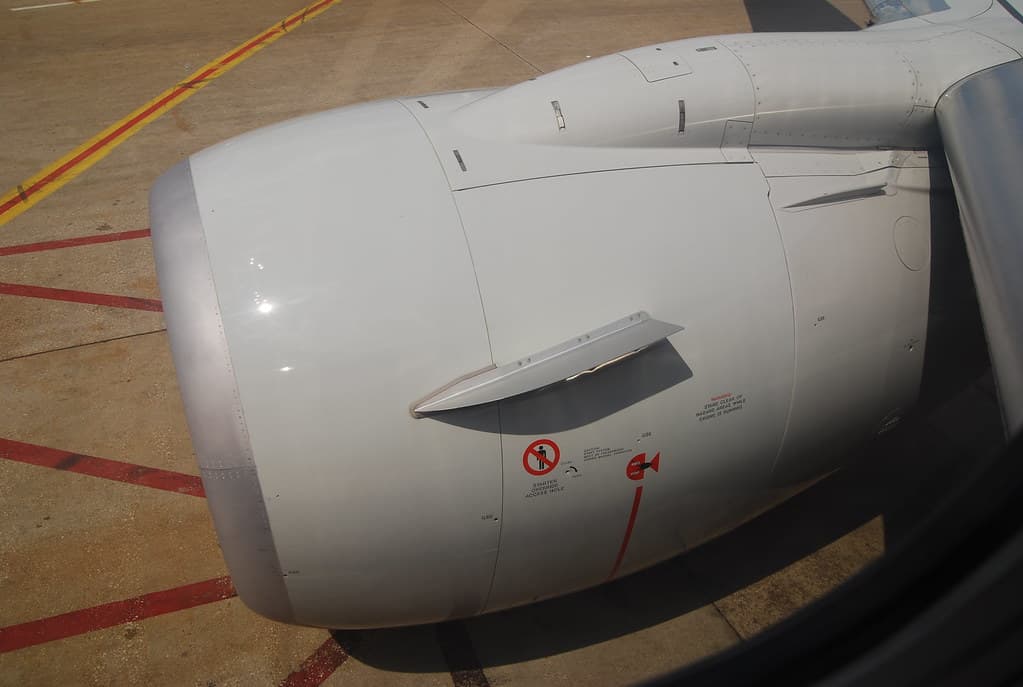
A Ryanair Boeing 737 NG suffered an engine fan blade fracture during climb from Greece to Germany last month, causing debris to shatter a cabin window and nearly eject a passenger before crew secured him. The U.S. National Transportation Safety Board is investigating potential age or maintenance factors in the engine failure.
An engine fan blade broke off a Ryanair Boeing 737 NG shortly after takeoff in Greece, sending debris that shattered a cabin window and allowed a passenger’s head to be partially sucked out before he was pulled back inside. The aircraft was operating a scheduled flight from Greece to Germany when the failure occurred. U.S. investigators say the incident remains under review and have not ruled out factors such as age or maintenance history. Preliminary findings confirm the blade failure and window rupture but do not yet assign cause. The incident has drawn renewed attention to engine safety in commercial aviation, particularly for aging fleets operating under high utilization. With regulators and carriers reviewing inspection protocols, the event underscores ongoing risks in maintaining reliability across large-scale low-cost operations.
Engine blade failure on takeoff
A fan blade detached from one of the two engines of a Ryanair Boeing 737 NG shortly after takeoff from Greece last month. The fragment struck the winglet and engine nacelle, shredding a cabin window. The breach created a near-suction effect that drew a man’s head partially through the opening before fellow passengers restrained him and pulled him back inside. The aircraft, bound for Germany, continued flight before landing safely.
A U.S. National Transportation Safety Board preliminary report confirmed the engine fan blade failure. Investigators noted possible age or service issues, though no conclusions were drawn. Bird remains were found in the engine following the incident. The aircraft sustained damage to the engine nacelle and winglet structure. Passenger safety protocols were activated, including cabin depressurization and emergency procedures. No injuries beyond the head entrapment were reported. Ryanair confirmed the aircraft returned to service after repairs. The incident prompted scrutiny of maintenance records and engine monitoring practices. The NTSB investigation remains ongoing.
Investigation focuses on blade and engine condition
U.S. National Transportation Safety Board investigators who examined the engine found clear evidence of blade fracture. The agency has not yet determined whether the failure stemmed from manufacturing age or prolonged service use. Preliminary findings confirm the break occurred in the fan section of the engine, a component critical to airflow and structural integrity. Authorities are also probing whether external factors such as bird ingestion contributed to the damage. The incident involved a Ryanair Boeing 737 NG aircraft that suffered engine fan blade separation during takeoff in Greece, leading to window rupture and cabin decompression. Investigators are analyzing debris and maintenance records to establish the root cause. The agency has not ruled out age or service issues but has not confirmed either as the definitive cause. Findings will inform next steps in the inquiry.
Passenger safety and operational response
The engine blade failure occurred on a routine scheduled service from Greece to Germany carrying more than 150 passengers and crew. No serious injuries were reported, though one individual sustained minor facial trauma from contact with the window frame. Cabin crew and passengers worked together to secure the breach and maintain flight stability. The aircraft landed safely at its destination. Ryanair has not issued a detailed operational response beyond confirming the incident and initiating internal review.
The flight from Greece to Germany carried more than 150 passengers and crew. After takeoff the engine fan blade broke, causing fragments to shatter the cabin window. One passenger made contact with the frame and suffered minor facial trauma. Cabin crew and fellow travelers worked together to pull the individual back inside and seal the opening. The aircraft continued to its destination and landed without further incident. Ryanair confirmed the event and began an internal review but has not detailed operational measures.
Regulatory scrutiny and industry implications
The National Transportation Safety Board has opened an inquiry into the Ryanair engine incident in Greece, joining a growing list of recent fan blade failures on narrow-body jets. Agency investigators have not yet released findings or directives, but the probe focuses on the structural integrity of the failed blade and the adequacy of prior maintenance records. Analysts note that recurring blade fatigue on high-cycle engines such as those powering older 737 NG models could trigger tighter regulatory checks across carriers operating similar fleets. The case adds to mounting scrutiny of maintenance protocols and engine longevity assessments as airlines return to service following pandemic-related slowdowns.
Frequently asked questions
What happened on the Ryanair flight in Greece last month?
An engine fan blade broke off a Ryanair Boeing 737 NG aircraft shortly after takeoff in Greece. Shattered parts damaged a window and caused a passenger's head to be partially sucked out before being pulled back inside. The U.S. National Transportation Safety Board is investigating the engine incident.
Was a passenger injured when sucked out of the plane?
Yes, a passenger was partially sucked out of the aircraft through a broken window after engine debris shattered it. Fellow passengers pulled him back inside. The U.S. National Transportation Safety Board confirmed the incident involved a Ryanair flight from Greece to Germany.
What caused the engine failure on the Ryanair flight?
U.S. investigators reported a fan blade broke on the engine of the Ryanair Boeing 737 NG aircraft. The cause is under review, with the NTSB stating it has not ruled out age or service issues as possible factors in the failure.
Is the Ryanair flight incident related to Boeing 737 MAX aircraft?
No, the incident involved a Boeing 737 NG, not the newer 737 MAX model. Both aircraft types are manufactured by Boeing, but the investigation focuses on the NG variant that experienced the engine failure in Greece.
What is the current status of the investigation into the engine failure?
The U.S. National Transportation Safety Board continues to investigate the engine failure on the Ryanair flight. It has not yet determined the cause and specifically noted it has not ruled out age or service issues related to the aircraft's history.