Tornado warnings sweep Ontario and US states as August storms spawn confirmed twisters
A confirmed tornado near Kemptville, Ontario capped a stretch of severe weather in August 2026 that brought tornado warnings to several US states and a damaging strike in Wisconsin.

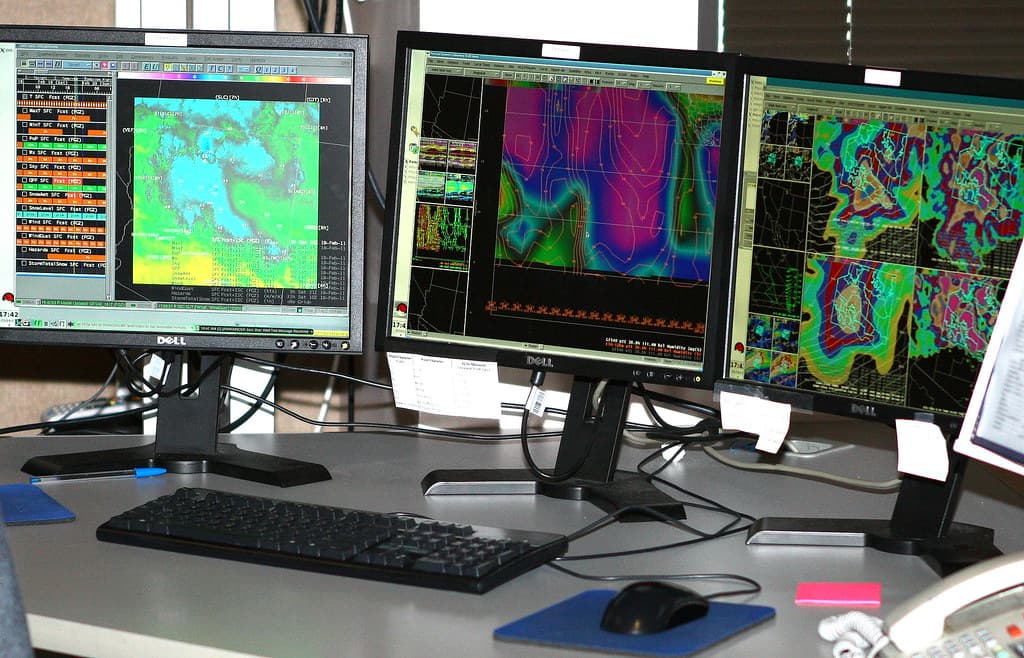
A tornado warning is a public alert issued by weather forecasting agencies for an area in the path of a tornado or a severe thunderstorm capable of producing one. It advises people in the affected area to take cover immediately. Doppler radar can detect rotation in storms, allowing warnings before a tornado forms.
A tornado was confirmed near Kemptville, Ontario on August 2, 2026, opening a stretch of severe summer weather that brought tornado warnings to communities on both sides of the Canada-US border. In the days that followed, two tornadoes reportedly touched down in southwestern Ontario, according to local reports, while warnings were issued from New York State to Delaware and New Jersey. A tornado that struck Menasha and Appleton in northeast Wisconsin arrived with little advance warning, reports said, damaging homes and leaving thousands without power. A tornado warning is a public alert issued by weather forecasting agencies when a tornado, or a thunderstorm capable of producing one, threatens an area. It tells people in the path to take cover immediately. Doppler weather radar can detect rotation inside a storm, allowing forecasters to issue warnings before a funnel even forms. The week's events matter because they show both the reach and the limits of modern warning systems. Tornadoes can occur almost anywhere conditions allow, from southern Canada to the US Midwest, and the Wisconsin strike — reportedly arriving with little notice — underlines how quickly these storms can turn destructive.
A week of tornado warnings across Ontario and the US
A tornado was confirmed near Kemptville, Ontario on August 2, 2026, opening a stretch of severe summer weather that would keep forecasters in Canada and the United States busy for days. Southern Canada occasionally sees tornadoes during the Northern Hemisphere summer, and the first week of August proved no exception.
A week later, the storms intensified. According to reports from outlets including Global News and the Toronto Sun, two tornadoes touched down in southwestern Ontario as storms moved through the region around August 9 and 10. The exact locations and paths of those twisters were not immediately clear, nor was the number of people affected.
Tornado warnings issued during the severe weather on the night of August 9 were later allowed to expire, according to reports. It was not known whether conditions had improved or whether the expirations reflected a procedural decision by forecasters.
The following afternoon, August 10, severe thunderstorm alerts were issued for parts of Southern and Central New York, according to CNY Central, as the system pushed south across the border.
A tornado was confirmed near Kemptville, Ontario.
Tornado warnings issued during severe weather were allowed to expire.
Two tornadoes touched down in southwestern Ontario as storms moved through the region.
Severe thunderstorm alerts were issued for parts of Southern and Central New York.
Warnings from New York to Delaware and New Jersey
The National Weather Service issued a string of alerts across the eastern United States during the same period. According to reports, severe thunderstorm alerts were issued for parts of Southern and Central New York on Monday afternoon, August 10.
In Delaware, the National Weather Service reportedly issued a tornado warning for part of Sussex County, while neighbouring New Castle County was placed under a flash flood warning. In New Jersey, the agency issued a tornado warning at 6:51 p.m. on Tuesday covering portions of Gloucester and Salem counties, according to the reports.
Further west, severe thunderstorms moving through the Tri-Cities region prompted multiple tornado warnings, with three warnings active simultaneously at one point, according to reporting by WJHL. Each alert advised residents in the affected areas to take cover until the storms passed.
Wisconsin tornado hits with little warning
The most destructive event of the week came in northeast Wisconsin, where a tornado struck parts of Menasha and Appleton on Monday afternoon with little advance warning, according to reports.
The storm damaged homes, tore roofs off residences, uprooted trees and left thousands of residents without power. Unlike many of the week's other alerts, in which Doppler radar detection allowed forecasters to issue warnings before a tornado formed, residents of the two Fox Valley communities reportedly had minimal time to take cover before the twister arrived.
The extent of injuries, if any, was not immediately clear from the reports. The National Weather Service, the agency responsible for issuing severe weather watches and warnings in the affected areas, had not released a full damage assessment at the time of publication, according to the reports consulted.
How tornado warnings work and where tornadoes strike
A tornado warning is a public alert issued by weather forecasting agencies when a tornado, or a severe thunderstorm capable of producing one, threatens an area. Anyone in the affected zone is advised to take cover immediately. In the United States, the National Weather Service is the agency responsible for issuing these alerts.
Warnings can now precede the tornado itself. Doppler weather radar detects rotation within a thunderstorm, allowing forecasters to alert the public before a funnel forms.
Strong and destructive tornadoes occur most often in the United States, China, the La Plata Basin, the European Plain, South Africa, and Bengal. But tornadoes can strike almost anywhere given the right conditions, and southern Canada occasionally sees them develop during the Northern Hemisphere summer.
Frequently asked questions
What is a tornado warning?
A tornado warning is a public alert issued by weather forecasting agencies for an area in the path of a tornado or a severe thunderstorm capable of producing one. It advises people in the affected area to take cover immediately. Doppler weather radar can detect rotation within a thunderstorm, allowing warnings to be issued before a tornado actually forms.
Was there a tornado in Ontario in August 2026?
Yes. A tornado was confirmed near Kemptville, Ontario on August 2, 2026. Tornadoes occasionally develop in southern Canada during the Northern Hemisphere summer. Separately, reports suggest two tornadoes touched down in southwestern Ontario as storms moved through the region around August 9-10, 2026, though exact locations and paths have not been confirmed.
What happened with the tornado in Wisconsin?
According to reports, a tornado struck parts of Menasha and Appleton in northeast Wisconsin on a Monday afternoon with little advance warning. The tornado reportedly damaged homes, tore roofs off residences, uprooted trees, and left thousands without power. The National Weather Service is the agency responsible for issuing severe weather watches and warnings in the affected areas.
Were there tornado warnings in Delaware and New Jersey?
According to reports, the National Weather Service issued a tornado warning for part of Sussex County, Delaware, while New Castle County was placed under a flash flood warning. A separate tornado warning was reportedly issued at 6:51 p.m. Tuesday covering portions of Gloucester and Salem counties in New Jersey.
Where do tornadoes occur most often?
Strong and destructive tornadoes occur most often in the United States, China, the La Plata Basin, the European Plain, South Africa, and Bengal. However, tornadoes can occur almost anywhere when the right conditions are present, including southern Canada during the Northern Hemisphere summer.