Winter: The Shortest Day and the Season of Contrasts
The winter solstice marks the shortest day of the year, signaling the astronomical start of winter in the Northern Hemisphere amid growing climate contrasts and cultural reflections.
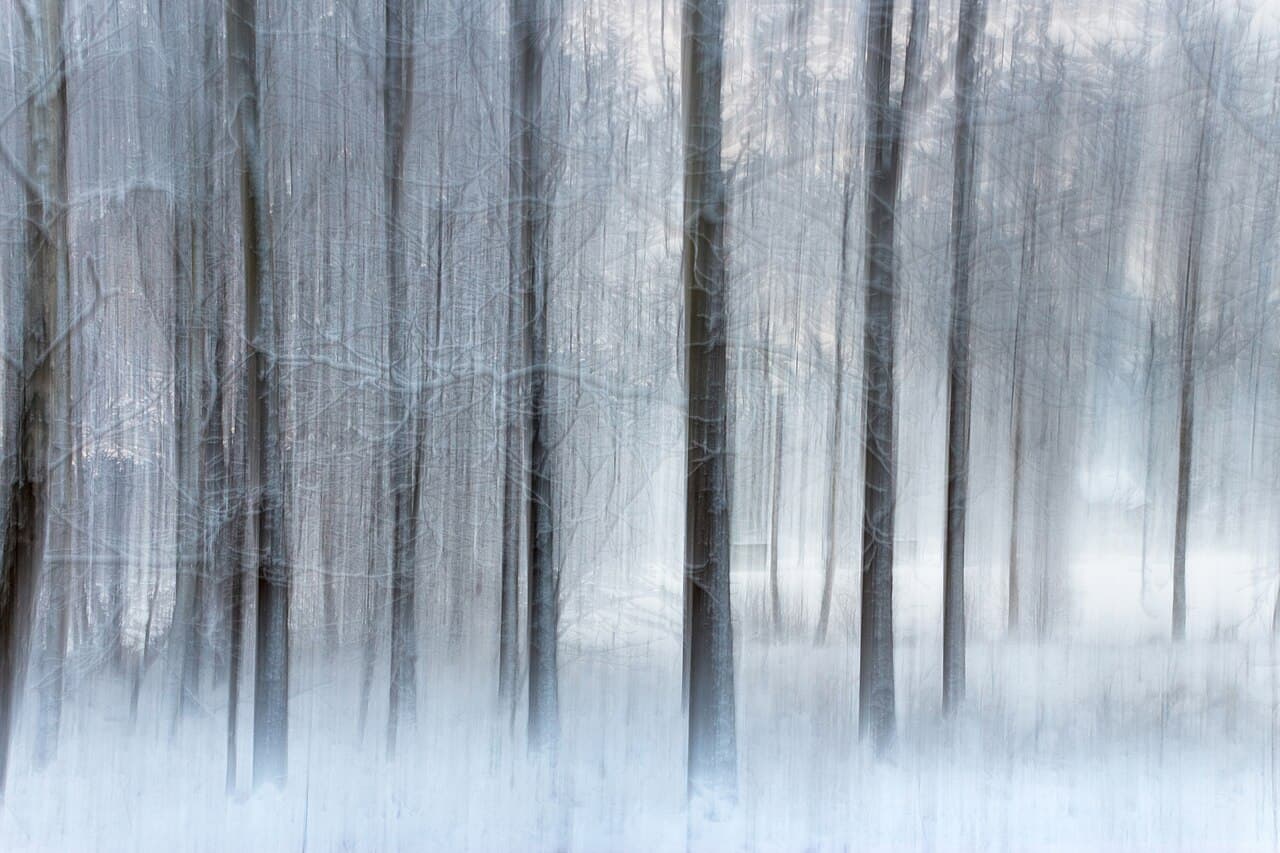
The winter solstice occurs in December and marks the shortest day of the year, officially starting winter in the Northern Hemisphere. It is the astronomical point when the hemisphere is farthest from the sun, bringing the longest night and shortest daylight. This event signals seasonal shifts and is recognized globally as winter's onset.
The winter solstice marks the shortest day of the year and is recognized as the astronomical start of winter in the Northern Hemisphere. Winter is defined by shorter days, colder temperatures, and seasonal shifts such as bird migration and leaf shedding. It begins at different times across cultures and hemispheres, with meteorologists marking its start in December. Some regions experience extreme cold while others face unseasonal warmth, reflecting complex climate patterns. The timing of the solstice and seasonal transitions continues to shape cultural practices, environmental awareness, and responses to changing weather. As global climate dynamics evolve, winter’s contrasts — between darkness and cold, warmth and resilience — remain a focal point for reflection and adaptation.
Astronomical Start of Winter and the Solstice
The winter solstice occurs in December and marks the shortest day and longest night of the year. It is recognized as the astronomical beginning of winter in the Northern Hemisphere. This happens when the hemisphere tilts away from the Sun due to Earth's axial tilt, reducing sunlight and lowering temperatures. The solstice results from the Sun reaching its most southerly declination, making daylight minimal. It is a precise astronomical event, distinct from meteorological winter, which begins on December 1. While some cultures define winter by weather or tradition, the solstice remains a fixed reference point tied to Earth's position in orbit. The event signals the gradual return of longer daylight hours. It has been observed for millennia and continues to influence cultural practices. The solstice underscores the interplay between celestial mechanics and seasonal change. It also highlights how Earth's tilt shapes life in temperate and polar regions. The phenomenon is consistent across years, though minor variations occur due to leap years and orbital cycles. Observers note the quiet intensity of the day, with shadows longer and light weaker. Many mark the occasion with reflection on cycles and renewal. The solstice is both a scientific milestone and a symbolic threshold. It marks winter's peak but also the turning point toward spring. Its significance extends beyond astronomy into myth, ritual, and seasonal identity. Many celebrate it as a festival of light. The day reminds us of Earth's dynamic relationship with the Sun. It is a quiet yet profound moment in the annual cycle. The solstice reveals the depth hidden in darkness. It invites stillness and contemplation
Climate Contrasts and Meteorological Winter
Meteorologists mark winter as the three coldest months of the year, conventionally beginning in December. This meteorological definition anchors the season to temperature patterns rather than astronomical alignment. Yet climate dynamics are increasingly volatile, with some regions enduring severe cold while others record unprecedented warmth. These contrasting conditions reflect broader shifts in atmospheric systems and regional weather variability. While the solstice marks the shortest day, meteorological winter is defined by sustained temperature minima, highlighting a practical approach distinct from astronomical markers. The season’s duality — frigid northern latitudes paired with southern hemisphere summer — underscores Earth’s complex seasonal rhythm amid evolving climate realities. According to reports, this period of transition reveals both traditional definitions and emerging environmental unpredictability.
Cultural and Environmental Dimensions
The winter solstice shortens daylight dramatically, triggering a cascade of environmental shifts that reshape human rhythms. Shorter days and colder temperatures accelerate bird migration, prompt trees to shed leaves, and thicken fog that lingers in valleys. These changes compress outdoor activity, drawing people indoors and tightening social bonds around shared warmth and hearth. Writers such as Jeanette Winterson reflect on winter’s stark beauty, finding poetic resonance in its darkness and chill. Seasonal adaptation becomes a quiet cultural response — homes are insulated, clothing layered, and routines adjusted to the reduced light. Across regions, communities prepare for frost and snow, while others notice fleeting moments of unexpected comfort. The season thus acts as a counterpoint to summer’s vibrancy, offering a reflective pause that deepens appreciation for resilience and quiet endurance. This interplay of climate and culture underscores winter’s unique role in shaping both natural cycles and human meaning.
Global Seasonal Asymmetry
Winter arrives at the same moment across hemispheres, but with opposite expressions. While the Northern Hemisphere turns toward the cold and dark of December, the Southern Hemisphere basks in summer heat, creating a stark contrast in climatic experience. This seasonal asymmetry means that when one region shivers through snow and short days, another sweats under sweltering sun and long nights. The shift is not synchronized by calendar alone but by Earth’s tilt, which governs how sunlight is distributed across the globe. As a result, winter in one part of the world is not merely the absence of summer but a distinct climatic event, shaped by local geography and weather patterns. This duality underscores how seasons are not universal but deeply regional, reflecting both natural mechanics and human adaptation to changing conditions, as reported by multiple outlets.
Frequently asked questions
What marks the official start of winter in the Northern Hemisphere?
The winter solstice marks the shortest day of the year and is considered the official start of winter in the Northern Hemisphere. It occurs in December and is recognized as the astronomical beginning of winter. This day has the least daylight of the year.
Why does winter happen at different times around the world?
Winter occurs at different times across the globe because it is defined by the hemisphere oriented away from the Sun due to Earth's axial tilt. While it is winter in temperate and polar regions, it is simultaneously summer in the opposite hemisphere.
How do meteorologists define the start of winter?
According to the briefing, meteorologists define the start of winter as the arrival of December, initiating the coldest three-month period of the year. This definition is noted as a low confidence point and attributed to meteorological practice.
What cultural significance does winter hold?
Winter can inspire cultural reflection and personal appreciation, as noted by writers like Jeanette Winterson and others. It is described as a season that captivates certain individuals despite its dark and cold qualities, often prompting reflection on seasonal contrasts.
How does winter affect daylight and temperatures?
Winter is characterized by shorter days, dropping temperatures, bird migration, tree leaf shedding, and fog. In temperate and polar climates, it is the coldest and darkest season, occurring after autumn and before spring when the hemisphere is oriented away from the Sun.