Boeing expands missile interceptor production and faces operational setbacks
Boeing has signed new agreements to boost production of missile interceptor components for the U.S. defense system while grappling with safety concerns over its aircraft and a series of operational and financial challenges.
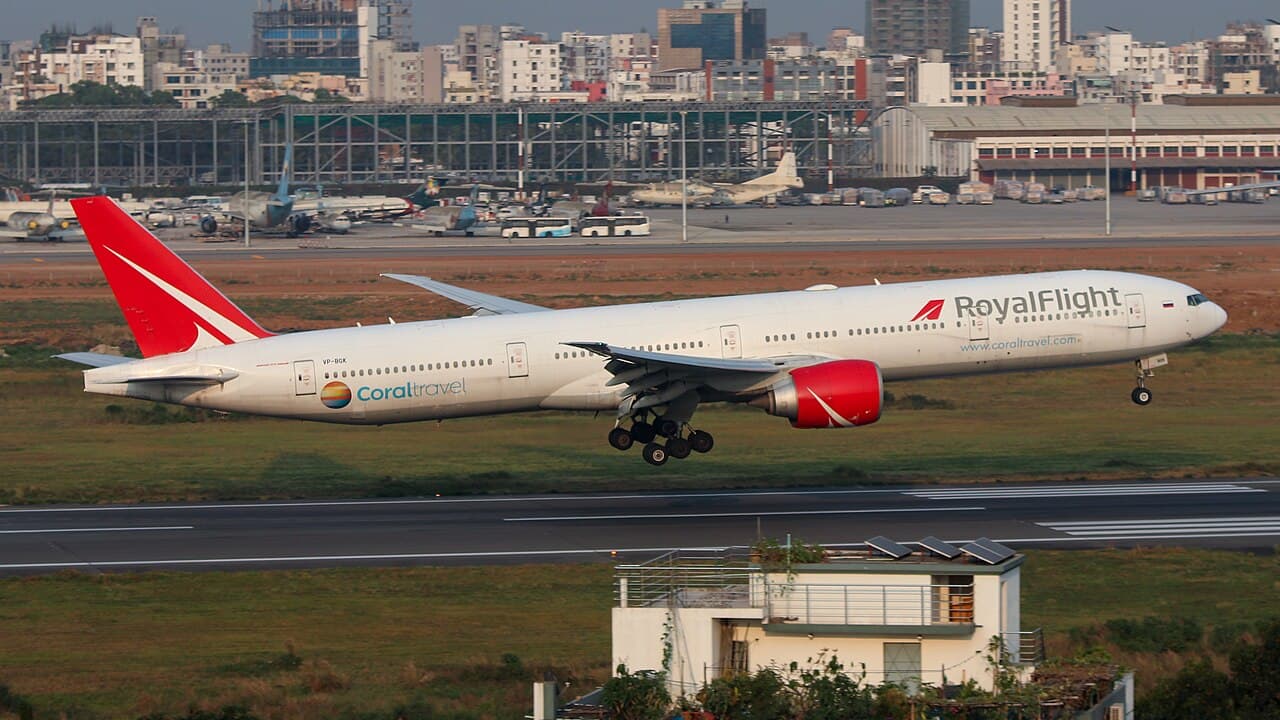
Boeing has signed framework agreements with the Pentagon and RTX to increase production of SM-3 Block IIA and Block IB missile interceptor components for the Aegis Ballistic Missile Defense System, while simultaneously facing multiple operational and safety challenges including aircraft near-misses and ongoing production issues.
Boeing signed framework agreements with the Pentagon and RTX to increase production of SM-3 Block IIA and Block IB missile interceptor components for the Aegis Ballistic Missile Defense System. The company also announced the sale of Wisk Aero, a non-core air taxi business, and is spinning off three drone-focused startups to Archer Aviation in exchange for equity. Boeing is an American multinational corporation that designs and manufactures aircraft, rockets, satellites, and missiles worldwide, and provides leasing and product support services. It is among the largest global aerospace manufacturers and the fourth-largest defense contractor in the world based on 2022 revenue, and the largest exporter in the aerospace sector. The Pentagon’s seven-year framework agreements with Boeing and RTX aim to expand Standard Missile-3 component production to meet growing demand for ballistic missile defense. Concurrently, operational incidents — including two aircraft with identical flight numbers on a collision course in U.S. airspace and a jury awarding $29 million in damages related to the 737 MAX 8 crash — highlight ongoing safety and operational challenges. Boeing delivered 53 jets in July, down from 64 in June, reflecting broader production pressures. These developments underscore the tension between Boeing’s critical defense role and the operational scrutiny facing its commercial fleet.
Boeing secures new defense contracts for missile component production
Boeing announced framework agreements with the U.S. Pentagon and RTX to increase output of SM-3 Block IIA and Block IB missile interceptor components for the Aegis Ballistic Missile Defense System. The seven-year deal aims to expand manufacturing capacity and ensure a reliable supply of critical defense parts amid growing geopolitical tensions. It underscores Boeing's continued role in the missile defense supply chain. The agreements follow a Pentagon announcement of framework deals with Boeing and RTX to boost Standard Missile-3 production. The company has also faced operational setbacks, including a near-collision of two aircraft with identical flight numbers in U.S. airspace that was averted by controller intervention. Boeing is spinning off three drone and logistics startups to Archer Aviation and selling its Wisk Aero air taxi unit, while Lufthansa has expressed concerns about early 777-9 deliveries. The MQ-28 Ghost Bat drone recently appeared at the Farnborough Airshow.
Operational incidents highlight safety concerns across Boeing's fleet
Two Boeing aircraft operating under the same flight number were on a collision course in U.S. airspace until a ground controller intervened to avert impact. Separately, a Chicago jury awarded $29 million to the family of a victim of the Ethiopian Airlines 737 MAX 8 crash, underscoring ongoing safety concerns. Both incidents highlight operational vulnerabilities within Boeing’s fleet and reinforce questions about its safety culture and regulatory oversight.
Two aircraft with the same flight number were on a collision course in U.S. airspace until a controller intervened to prevent impact. The controller’s action halted the imminent collision, averting a potential disaster. Separately, a Chicago jury awarded $29 million in damages to the family of a victim from the Ethiopian Airlines 737 MAX 8 crash, reigniting scrutiny over Boeing’s safety culture and regulatory oversight. Both incidents underscore operational vulnerabilities within Boeing’s fleet and reinforce concerns about its safety standards.
Boeing streamlines non-core assets amid financial pressure
Boeing announced plans to spin off three drone and logistics startups to Archer Aviation for a one-sixth stake in the parent, while also selling its struggling air taxi unit Wisk Aero. These moves underscore a strategic pivot away from non-core ventures toward defense and aerospace as commercial deliveries falter. The company delivered 53 jets in July, down from 64 in June, amid financial strain. Separately, framework agreements with the Pentagon and RTX aim to expand production of SM-3 Block IIA and Block IB missile interceptor components for the Aegis system. Earlier, two Boeing aircraft with identical flight numbers nearly collided in U.S. airspace until a controller intervened. A Chicago jury recently awarded $29 million to the family of an Ethiopian Airlines 737 MAX 8 crash victim. The company faces ongoing safety scrutiny and operational turbulence across its fleet.
Frequently asked questions
What agreements did Boeing sign with the Pentagon and RTX?
Boeing signed framework agreements with the Pentagon and RTX to increase production of SM-3 Block IIA and Block IB missile interceptor components for the Aegis Ballistic Missile Defense System.
What happened with two Boeing aircraft having the same flight number?
Two Boeing aircraft with the same flight number were on a collision course in U.S. airspace, and a controller intervened to prevent a collision.
Why did Boeing end 747 production in 2023?
The Boeing 747 production ended in 2023 after being manufactured between 1968 and 2023.
What did Boeing announce about Wisk Aero?
Boeing announced it is selling Wisk Aero, described as a struggling non-core air taxi business.
What is the MQ-28 Ghost Bat?
The MQ-28 Ghost Bat made its first appearance at the Farnborough International Airshow.