North Korea's August 11 Ballistic Missile Test Triggers Global Warning and Escalating Ukraine Conflict
On August 11, 2026, North Korea launched a ballistic missile that traveled approximately 700 kilometers before landing in the sea, prompting warnings from about 40 countries and renewed Ukrainian threats to strike Russian targets.
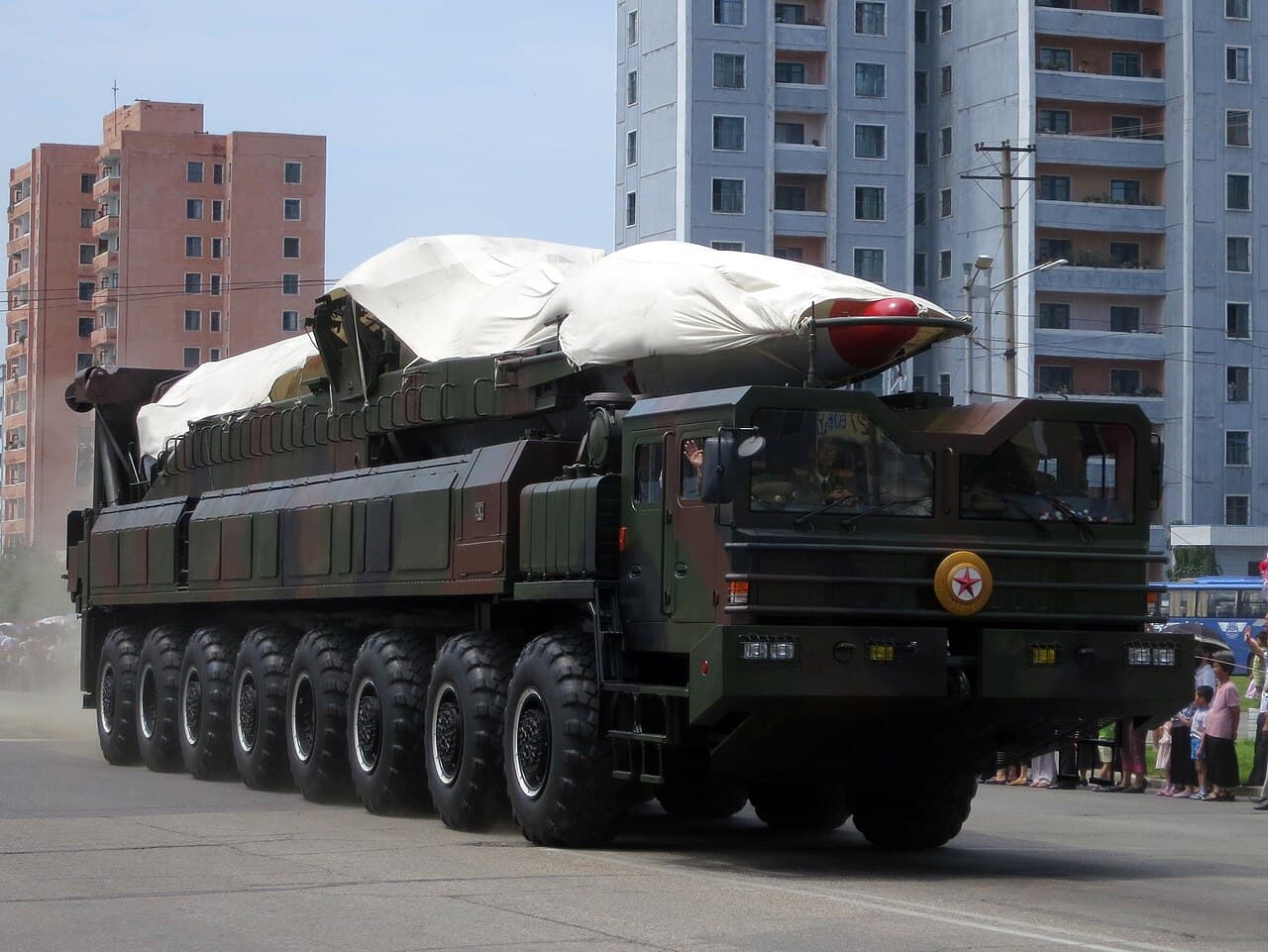
On August 11, 2026, North Korea launched a ballistic missile that traveled roughly 700 kilometers before landing in the sea, leading about 40 countries to issue warnings and prompting Ukraine to say its missiles could soon strike Russian targets.
A ballistic missile launched by North Korea on 11 August 2026 traveled approximately 700 kilometres before landing in the sea. Ukrainian President Volodymyr Selenskyj said Ukrainian ballistic missiles could strike targets in Russia by autumn. Around 40 states issued a warning about unannounced missile tests after the North Korean launch. Russia increased production of ballistic rockets, most of which reach their intended targets, while Ukraine remains weakened by a shortage of Patriot air defence interceptors. Russia fired ballistic missiles at the Ukrainian city of Saporischschja on the same day, killing at least six people. Selenskyj announced on 10 August 2026 new attacks in Russian rear areas and warned North Korea against sending further missiles or soldiers to Russia. A ballistic missile follows a trajectory governed by physics, reaching its target along a parabolic path when peak altitude is modest, distinguishing it from artillery shells fired from launchers. The 700-kilometre flight of the North Korean missile was recorded by monitoring systems in Japan and South Korea. This was not the first such launch in 2026, but it triggered coordinated diplomatic concern from dozens of governments. The conflict in Ukraine continues to shape military planning on both sides, with missile capabilities becoming a central element. The development matters now because it marks a shift in Ukraine’s strategic posture and raises the risk of broader escalation. The possibility of Ukrainian strikes on Russian territory by autumn alters the calculus of the war. At the same time, the global reaction to North Korea’s test reflects growing anxiety over missile proliferation and the use of ballistic technology as a tool of geopolitical pressure.
North Korea's Missile Launch and Global Reaction
North Korea fired a ballistic missile on August 11, 2026, that traveled roughly 700 kilometers before splashing down in the sea. The launch prompted about 40 countries to issue warnings about unannounced missile tests, expressing concern that such activities could destabilize regional security. Ukrainian President Volodymyr Selenskyj said on August 10 that Ukrainian ballistic missiles could reach Russian territory by autumn, and he warned Pyongyang not to supply further rockets or soldiers to Russia. Russia responded by accelerating production of ballistic missiles, many of which are reported to hit their targets, while its air defenses in Ukraine remain strained. Earlier that day, Russian forces launched a ballistic missile at the city of Saporischschja, killing at least six people. The attack underscored the growing use of long‑range weapons in the conflict and raised fears of a broader escalation.
Ballistische Rakete von Nordkorea mit Reichweite von etwa 700 Kilometern
Ballistische Rakete trifft im Meer
Rund 40 Staaten äußern Warnung vor unangekündigten Raketentests
Russland erhöht Produktion ballistischer Raketen
Russland feuert ballistische Raketen auf Saporischschja ab, mindestens sechs Tote
Ukrainischer Präsident Selenskyj kündigt neue Angriffe im russischen Hinterland an
Selenskyj warnt Nordkorea vor weiteren Raketen- oder Soldatenlieferungen nach Russland
Ukrainische ballistische Raketen könnten Ziele in Russland treffen
Ukraine's Counterstrike Threat and Russian Response
Ukrainian President Volodymyr Selenskyj announced on August 10, 2026, plans for new attacks inside Russian territory and warned North Korea against sending more missiles or soldiers to Russia. The briefing states Ukraine aims to strike Russian targets by autumn 2026.
In response, Russia increased production of ballistic missiles, most of which reach their intended targets, according to the same source. On August 11, 2026, Russia fired ballistic missiles at the Ukrainian city of Saporischschja, killing at least six people.
The attack followed a launch by North Korea on the same day, which travelled approximately 700 kilometers before landing in the sea. Around 40 states had previously issued a warning about unannounced rocket tests after that launch, a development noted in multiple outlets including Spiegel and Deutsche Welle.
Ukraine’s new attacks would mark a shift toward striking deeper into Russian territory, expanding the conflict beyond its current front lines. The timeline suggests such strikes could begin by autumn 2026, potentially altering the strategic balance. The escalation underscores growing military interdependence between North Korea and Russia, as well as Ukraine’s increasing reliance on long-range strike capability to counter Russian advances.
Saporischschja Attack and Civilian Toll
On August 11, 2026, Russian forces fired ballistic missiles at the Ukrainian city of Saporischschja. According to reports, the attack resulted in at least six civilian deaths. The briefing confirms the location and casualty figure but provides no details on the missile types used or the broader military context surrounding the strike.
Russian forces launched ballistic missiles at Saporischschja on August 11, 2026, killing at least six civilians. The briefing confirms the location and casualty figure but provides no details on the missile types used or the broader military context surrounding the strike. No additional information is available.
Ukraine's Missile Capability Timeline
Selenskyj announced new strikes in Russian territory on 10 August 2026, stating Ukrainian ballistic missiles would strike Russian targets by autumn 2026. The briefing does not specify which systems or progress toward that goal. It notes that 2026 autumn is the stated timeframe for such capability, without detailing technical development or deployment. The announcement follows a pattern of escalation after Russia’s 11 August strike on Saporischschja, which killed at least six people. North Korea’s test of a 700-kilometre-range ballistic missile on the same day prompted warnings from roughly 40 states, though the specific states are not named. The timeline places the announced capability within the broader context of intensified missile activity by multiple actors in August 2026.
Frequently asked questions
Wie weit flog die ballistische Rakete von Nordkorea am 11. August 2026?
Sie legte eine Flugstrecke von etwa 700 Kilometern zurück, bevor sie im Meer einschlug.
Wann könnte die Ukraine ballistische Raketen auf Ziele in Russland abfeuern?
Laut Präsident Selenskyj sollen die ballistischen Raketen im Herbst 2026 in der Lage sein, Ziele in Russland zu treffen.
Wie viele Staaten warnten am 11. August 2026 vor unangekündigten Raketentests?
Rund 40 Staaten äußerten die Warnung, wie in der Meldung aus Japan und Südkorea berichtet wird.
Wo wurden ballistische Raketen auf Ukraine abgefeuert und mit welchen Folgen?
Russland feuerte am 11. August 2026 ballistische Raketen auf die ukrainische Stadt Saporischschja ab, wobei mindestens sechs Menschen getötet wurden.
Was kündigte Selenskyj am 10. August 2026 hinsichtlich neuer Angriffe an?
Er kündigte neue Angriffe im russischen Hinterland an und warnte Nordkorea, keine weiteren Raketen oder Soldaten nach Russland zu schicken.