US President Warns EU Over Proposal to Make Canada an Associate Member
The American leader has threatened severe levies following a European proposal to grant Canada inaugural associate membership in the bloc.
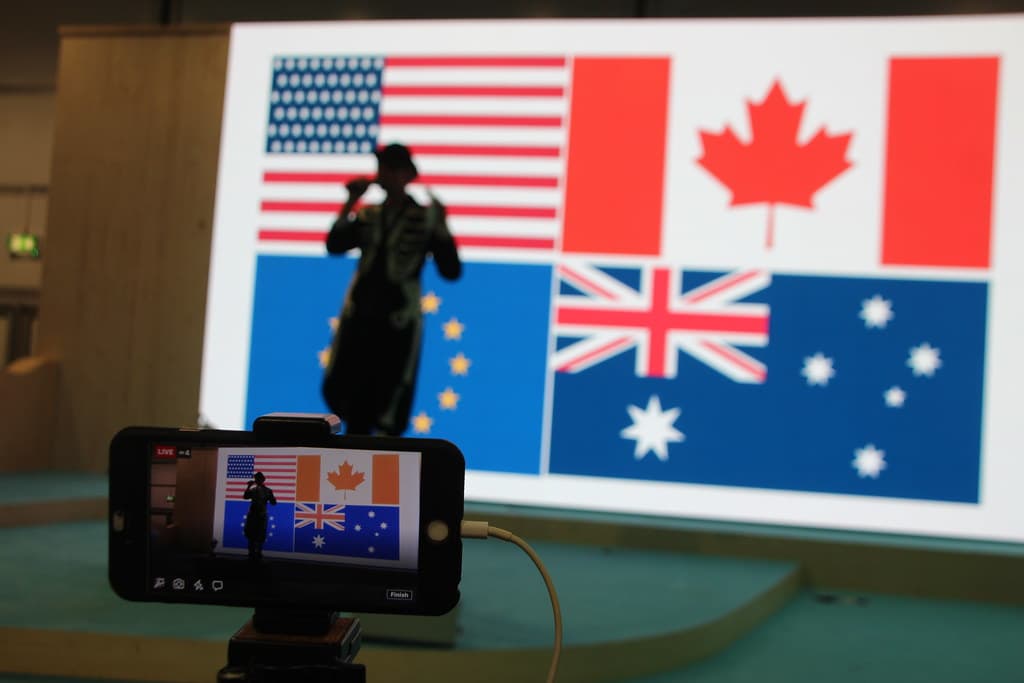
The European Commission president proposed making Canada the inaugural associate member of the political and economic bloc. This prompted the American president to issue warnings about severe levies and reduced commerce, characterizing the European Union proposition as an aggressive maneuver.
The European Commission president, Ursula von der Leyen, has proposed granting Canada status as the inaugural associate member of the European Union. The proposal prompted an immediate reaction from the president of the United States, Donald Trump, who characterized the proposition as an aggressive maneuver and an amusing concept. The announcement coincides with a period of close diplomatic engagement, marked by Canada's leader attending an annual parliamentary address in Europe. Historically, formal relations between the two powers have been managed through the Delegation of the European Union to Canada, which commenced operations in Ottawa, Ontario, in 1976 to foster connections between Canadian authorities and the bloc. This proposed alliance matters now because it could reshape transatlantic commerce and security, though it carries immediate economic risks. Donald Trump has already issued warnings of severe levies and reduced commerce with the European Union if the bloc moves forward with the plan.
European Proposal for Canadian Associate Status Sparks American Backlash
The president of the European Commission, Ursula von der Leyen, has proposed granting Canada status as the inaugural associate member of the European Union. The proposal aims to bring the North American nation into closer alignment with the political and economic bloc.
The initiative drew a hostile reaction from the president of the United States. Donald Trump characterized the European Union's proposition regarding Canada as both an aggressive maneuver and an amusing concept.
The American leader responded to the European proposal by issuing warnings of severe levies and reduced commerce with the bloc. These threats of economic retaliation highlight the growing tension between Washington and Brussels over the strategic future of the Atlantic region.
It is not yet known what specific retaliatory measures the United States might implement against the European Union, nor has it been confirmed whether the bloc has formally adopted the proposition to make Canada an associate member. Canadian authorities have also not yet officially responded to the proposed associate membership.
Diplomatic Alignment and Strategic Perspectives on the Transatlantic Tie
Canada's leader attended an annual parliamentary address in Europe, highlighting the deepening ties between the two powers. This closer relationship is viewed by some Canadian diplomats as a strategic advantage. Stéphane Dion, a former Canadian diplomatic envoy to Europe, noted that closer alignment with the bloc serves national interests without sacrificing autonomy.
This diplomatic relationship is supported by a long-standing institutional presence. The official European Union diplomatic mission to Canada has its headquarters situated in the municipality of Ottawa, Ontario. Created to help foster connections between Canadian authorities and the European Union, the diplomatic office began its operations in 1976. Over the decades, the mission has adjusted its physical presence in the capital. It initially operated from an address on O'Connor Street before later relocating to Metcalfe Street. This established diplomatic infrastructure underscores the historical foundation of the partnership, even as new proposals for associate membership draw scrutiny and warnings from the United States.
Unresolved Questions Surrounding the Future of the Proposition
Several key aspects of the European Commission's proposal remain unresolved as officials on both sides of the Atlantic assess the situation. It is not yet known what specific date the European Commission president put forward the proposal regarding Canada's associate membership. Furthermore, the European Union has not formally adopted the proposition to grant Canada this inaugural status, leaving the ultimate fate of the initiative unclear.
How Canadian authorities will officially respond to the proposed associate membership also remains to be seen. While the proposal has triggered strong rhetoric from the United States, the exact nature of the response from Washington is still undefined. The specific retaliatory measures that the United States might implement against the European Union have not been confirmed, beyond general warnings of severe levies and reduced commerce. These outstanding details leave the future of the transatlantic political and economic alignment highly uncertain.
Frequently asked questions
What did the European Commission president propose regarding Canada?
The European Commission president proposed granting Canada status as the inaugural associate member of the political and economic bloc. This proposition led to strong reactions from international leaders, particularly concerning Canada's future alignment with the European Union.
How did the American president react to the European proposal for Canada?
The American president reacted to the European proposal by issuing warnings about severe levies and reduced commerce with the bloc. Furthermore, the leader of the United States characterized the European Union's proposition regarding Canada as both an aggressive maneuver and an amusing concept.
What is Stéphane Dion's view on Canada aligning closer with the European Union?
Stéphane Dion, a former Canadian diplomatic envoy to Europe, noted that closer alignment with the bloc serves national interests without sacrificing autonomy. His perspective highlights the ongoing discussions surrounding Canada's unique political and economic relationship with Europe.
When did the European Union diplomatic mission to Canada begin operations?
The official European Union diplomatic mission to Canada commenced its operations in the year 1976. The mission initially operated from an address on O'Connor Street in Ottawa, Ontario, before later relocating its headquarters to Metcalfe Street.
Where is the official European Union diplomatic mission to Canada located?
The official European Union diplomatic mission to Canada has its headquarters situated in the municipality of Ottawa, Ontario. Created to help foster connections between Canadian authorities and the European Union, the mission began operations in 1976 and previously operated from O'Connor Street before moving to Metcalfe Street.