Flock camera system lets drivers check if their plates are logged by law enforcement
Drivers can now query the Have I Been Flocked website to see whether their licence plates appear in audit logs compiled from Flock Safety’s nationwide network of automated licence‑plate readers.
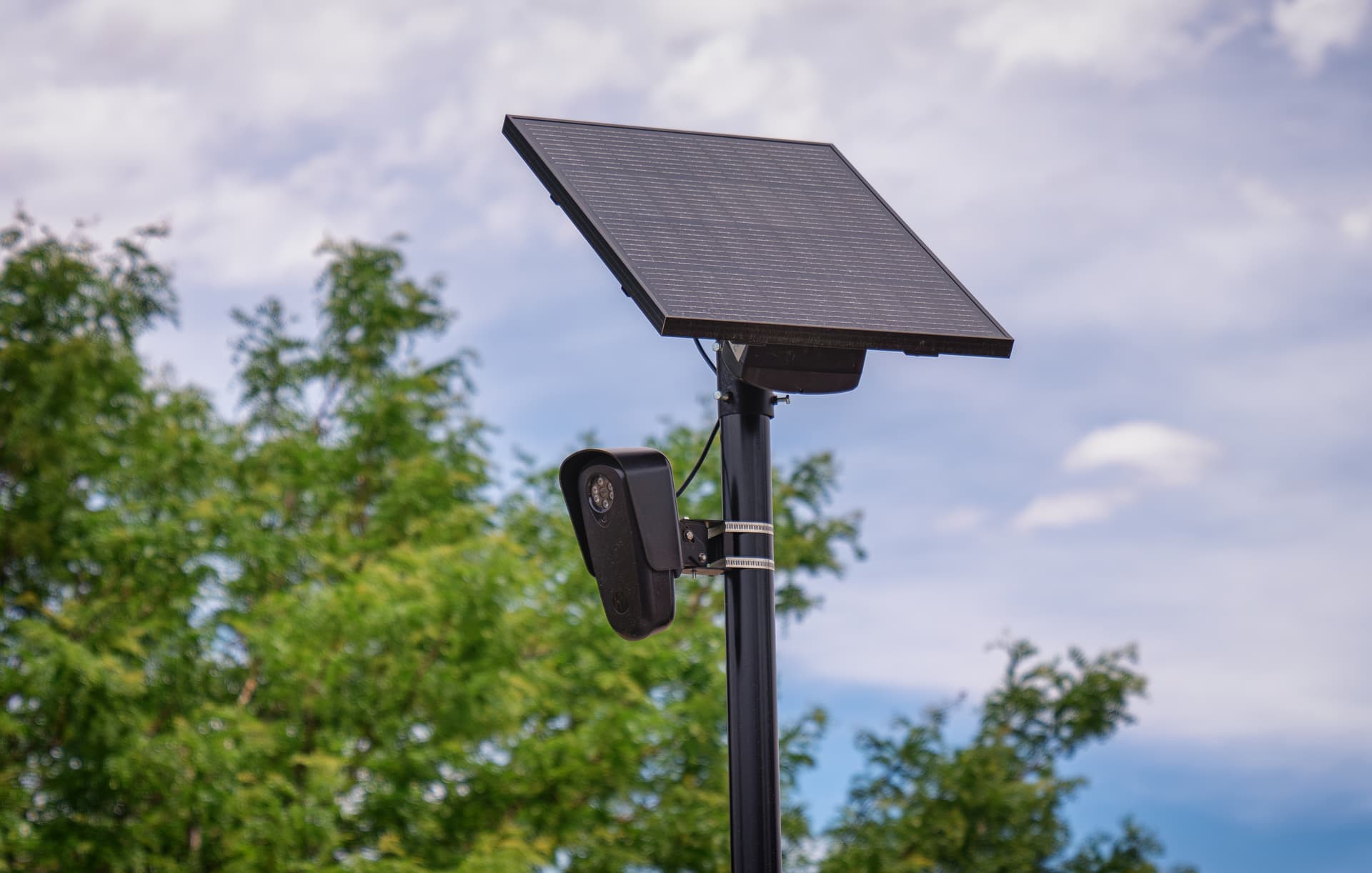
Drivers can enter their licence plate number on the Have I Been Flocked website to query Flock Safety's audit logs and determine whether their plate has been recorded by law‑enforcement cameras.
A driver can enter a license‑plate number on the Have I Been Flocked website and receive a response indicating whether that plate appears in Flock Safety audit logs. Flock Safety is a private U.S. company that builds and operates automated license‑plate readers, gun‑fire detectors and related software, and it has partnered with more than 5,000 law‑enforcement agencies across roughly 6,000 communities. Its cameras are deployed in many jurisdictions, including several in Louisiana, where drivers can query the system to see how often their plates have been recorded. The ability to check one’s own plate raises questions about the reach of mass surveillance and how data collected by private vendors may be used by police, making the issue timely for both motorists and regulators.
How the system works and what it reveals
The Have I Been Flocked website lets drivers type their licence‑plate number into a search bar and query audit logs that Flock Safety records when its cameras capture a vehicle. Those logs show whether the plate was included in any law‑enforcement search, giving motorists a direct view of how often their movements have been logged by the company’s network of readers. By matching a plate against the stored records, the site reveals the presence or absence of a search hit, turning internal data into a public check on surveillance exposure. The process is simple: a user submits a plate, the system checks the logs, and returns a binary result indicating a match or no match. This visibility lets drivers assess the reach of automated licence‑plate readers in their area.
Scale of Flock’s deployment and partnerships
Flock Safety says it partners with more than 5,000 law‑enforcement agencies across 6,000 communities and covers thousands of locations nationwide. Its cameras are installed in numerous U.S. cities, including several in Louisiana, where drivers can use the Have I Been Flocked website to query audit logs and see whether their plates have been searched. The company markets its automated license‑plate recognition hardware, video‑surveillance systems and gunfire‑locator technology, integrating data from all installed units. This extensive network enables widespread plate‑reading capabilities while raising ongoing privacy debates.
Privacy concerns and public reaction
The use of Flock’s automated licence‑plate readers has ignited privacy concerns, with critics saying the technology enables mass surveillance that lacks clear oversight. Advocacy groups have called for greater transparency about how the collected data is stored, accessed and shared. Some civil‑liberties organisations argue that the system creates a permanent record of vehicle movements that can be repurposed beyond its original law‑enforcement intent. The debate reflects broader anxieties about the expansion of digital tracking in public spaces and the limits of current privacy protections. According to reports, these concerns have prompted calls for stricter data‑retention rules and independent audits of Flock’s operations.
What happens next for drivers and regulators
Drivers who discover that their plates appear in Flock audit logs may seek legal clarification about how the data was obtained and whether its retention complies with state privacy statutes. Some states are drafting bills that would cap the storage period of these logs and restrict who can query them, aiming to curb potential misuse. Regulators in Louisiana and neighboring states are examining whether existing surveillance laws need updating to address the growing network of automated readers. Meanwhile, advocates for transparency are urging agencies to publish clear policies on data access and deletion timelines. The outcome of these legislative reviews could shape the future availability of audit‑log checks for motorists nationwide.
according to reports, the site compiles Flock audit logs to determine whether a license plate appears in law enforcement search records. according to reports, the site lets drivers check if their license plate has been recorded by Flock camera systems. according to reports, Flock Safety partners with over 5,000 law enforcement agencies across 6,000 communities, covering thousands of locations nationwide. according to reports, Flock cameras are deployed widely across Louisiana, enabling drivers there to check if their
Frequently asked questions
How can I check if my license plate was recorded by Flock cameras?
Enter your license plate number into the search bar on the Have I Been Flocked website. The site compiles Flock audit logs to see if the plate appears in law enforcement search records. This service is available to drivers who want to see whether their vehicle has been captured by Flock cameras.
What does Flock Safety do?
Flock Safety is a privately held American company that manufactures and operates surveillance hardware and software, including automated license‑plate readers, mass video surveillance, gunfire locator systems, and integration software for the data these devices collect.
Are Flock cameras used in Louisiana?
Flock cameras are deployed widely across Louisiana. Drivers in the state can use the Have I Been Flocked site to query audit logs and determine if their license plates have been recorded by these cameras.
How many law enforcement agencies does Flock work with?
Flock Safety partners with over 5,000 law enforcement agencies across 6,000 communities, covering thousands of locations nationwide.
Why are people concerned about Flock cameras?
Flock cameras perform license‑plate reading and the collected data is used for surveillance purposes, which has sparked privacy concerns and public debate about the extent of monitoring by private firms.