Flock Safety tightens privacy rules amid scrutiny of car‑tracking cameras
Flock Safety announced a shift to a seven‑day data retention limit and new law‑enforcement safeguards as cities reconsider contracts.
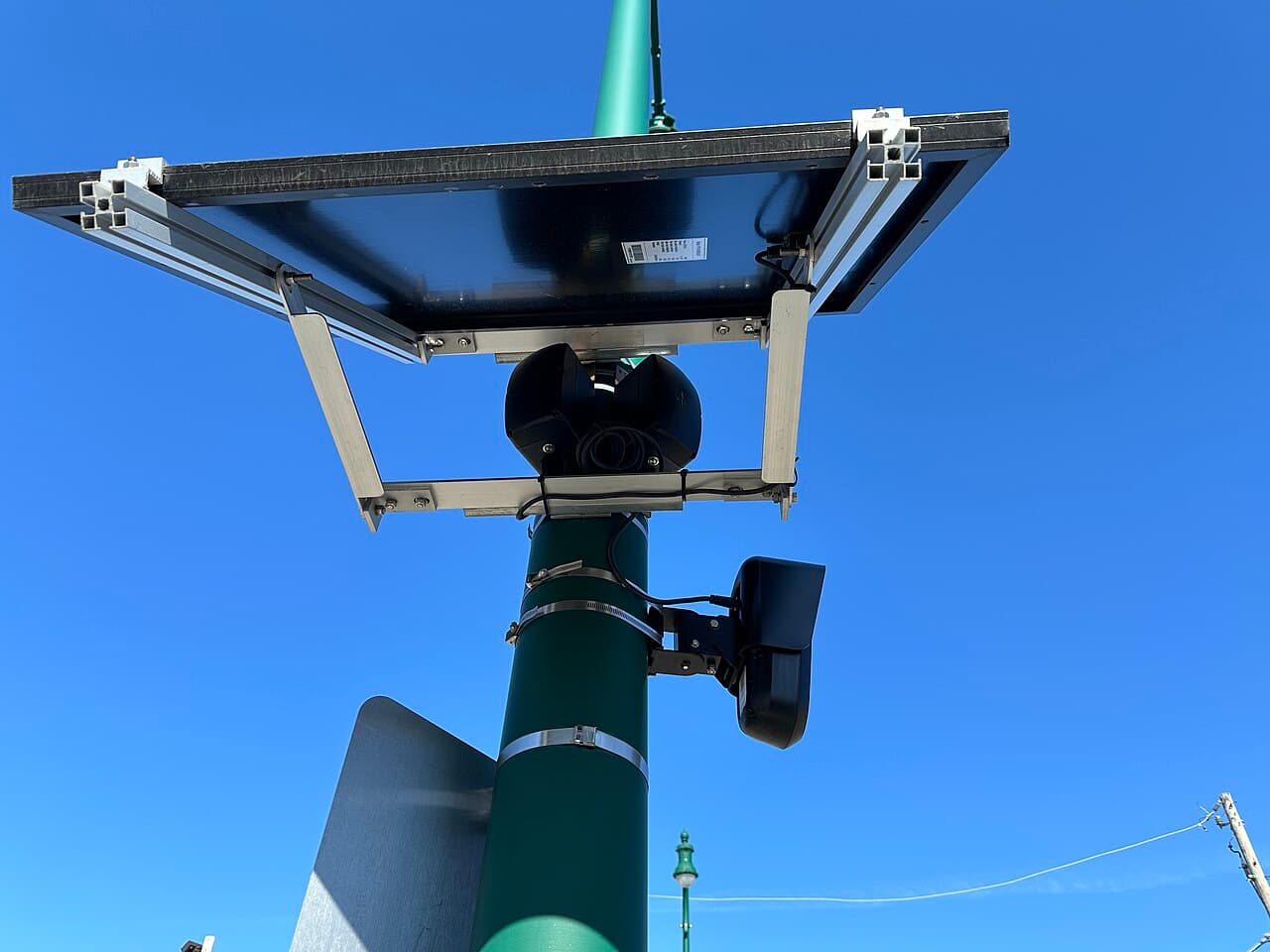
Flock Safety announced on September 28, 2023 that it will reduce the default retention period for license‑plate camera footage from 30 days to seven days and require law‑enforcement agencies to justify each data search, introducing new security and audit requirements as part of its privacy‑focused platform updates.
Flock Safety announced on September 28 2023 that it will cut the default data‑retention period for its license‑plate camera footage from 30 days to seven days and will require law‑enforcement agencies to justify each search of that data. The company, a private U.S. manufacturer and operator of automated license‑plate recognition systems, runs a nationwide network of cameras that record plate numbers and other vehicle characteristics every day. Its technology has drawn scrutiny for enabling extensive car‑tracking across the country, prompting questions about how long footage is kept and who can access it. The changes come as Oklahoma City prepares to consider renewing its contract with Flock Safety and as cities such as Idaho Falls grapple with the broader controversy surrounding automated plate readers. Reducing retention and tightening access are intended to address privacy concerns, but the specifics of enforcement and oversight remain unsettled.
Announcement of privacy updates
Flock Safety announced on September 28 2023 that it will cut the default retention period for license‑plate camera footage from 30 days to seven days. The company also said it will require law‑enforcement agencies to justify each search of its data. In addition, Flock Safety introduced expanded audit requirements and new security standards for police use of its platform. These measures are intended to improve privacy protections and prevent misuse of the car‑tracking cameras. The changes come as the company faces scrutiny over its nationwide surveillance network that records license‑plate numbers and other vehicle characteristics daily. Flock Safety is a privately held American manufacturer and operator of surveillance hardware and software, including automated license‑plate recognition systems. Oklahoma City leaders are expected to consider renewing the city’s contract with Flock Safety next week.
Background on nationwide surveillance network
Flock Safety operates a nationwide network of automated cameras that record license‑plate numbers and other vehicle characteristics daily. The technology has drawn scrutiny for its extensive data collection and potential privacy risks. The company’s new measures aim to curb misuse while maintaining the system’s reach. Critics argue that the sheer volume of data creates a target for abuse, and that the lack of uniform standards across jurisdictions amplifies exposure. The network’s scale, which spans multiple states and thousands of miles of roadway, has prompted calls for greater transparency and tighter controls over who can access the footage. As the debate intensifies, lawmakers and civil‑rights advocates are urging clearer rules to protect drivers from unwarranted surveillance.
Local response and contract renewal debate
Oklahoma City officials are expected to consider renewing the city’s contract with Flock Safety next week. The proposal follows a series of privacy updates announced by the company, which will cut the default data‑retention period from 30 days to seven days and require law‑enforcement agencies to justify each search of its records. Municipal leaders say they are weighing the new safeguards against the need for continued automated‑license‑plate monitoring. At the same time, several other cities have begun swapping out Flock Safety hardware for Axon plate‑reader systems, citing both vendor competition and heightened scrutiny of surveillance tools. Critics argue that the tighter controls may not fully resolve concerns about data misuse, while supporters contend that the changes provide a clearer framework for accountability. The city council will meet to discuss the contract renewal and potential alternatives.
Controversy in Idaho Falls
Flock Safety’s automated license‑plate readers have ignited debate in Idaho Falls. The dispute centers on the private company’s data collection and retention practices, which critics argue lack transparency. Residents question how long footage is stored and who can access it, prompting calls for stricter oversight. The controversy highlights growing tension between law‑enforcement reliance on the technology and concerns about civil‑liberties implications.
Future enforcement and oversight
The seven‑day retention policy shortens the window in which license‑plate images and associated data can be stored by Flock Safety. Agencies must now state a reason for each query, and the company requires a documented justification before granting access. However, the exact criteria for approval and the mechanism for monitoring compliance have not been disclosed. Municipalities face a choice: adopt the updated retention and audit framework or migrate to competing solutions such as Axon plate readers. Because enforcement details remain vague, oversight will likely depend on city‑level reviews and any future contractual stipulations.
Frequently asked questions
What privacy changes did Flock Safety announce on September 28 2023?
Flock Safety said it will cut the default data retention period from 30 days to seven days and will require law‑enforcement agencies to justify each search of its data. The company also introduced new security requirements and expanded audit rules to address privacy concerns.
How long will license‑plate camera footage be stored after the update?
The footage will be retained for only seven days, down from the previous 30‑day period.
Why is Flock Safety facing scrutiny over its car‑tracking technology?
Flock Safety operates a nationwide network of automated cameras that record license‑plate numbers and other vehicle characteristics daily, raising privacy concerns that have drawn public and governmental scrutiny.
What must law‑enforcement agencies do to access Flock Safety data now?
Agencies must provide a justification for each data search, as part of the new security requirements aimed at preventing misuse of the platform.
Are any cities replacing Flock Safety cameras with other vendors?
Yes, some cities are swapping Flock Safety cameras for Axon plate readers, choosing to keep surveillance capabilities while changing vendors.