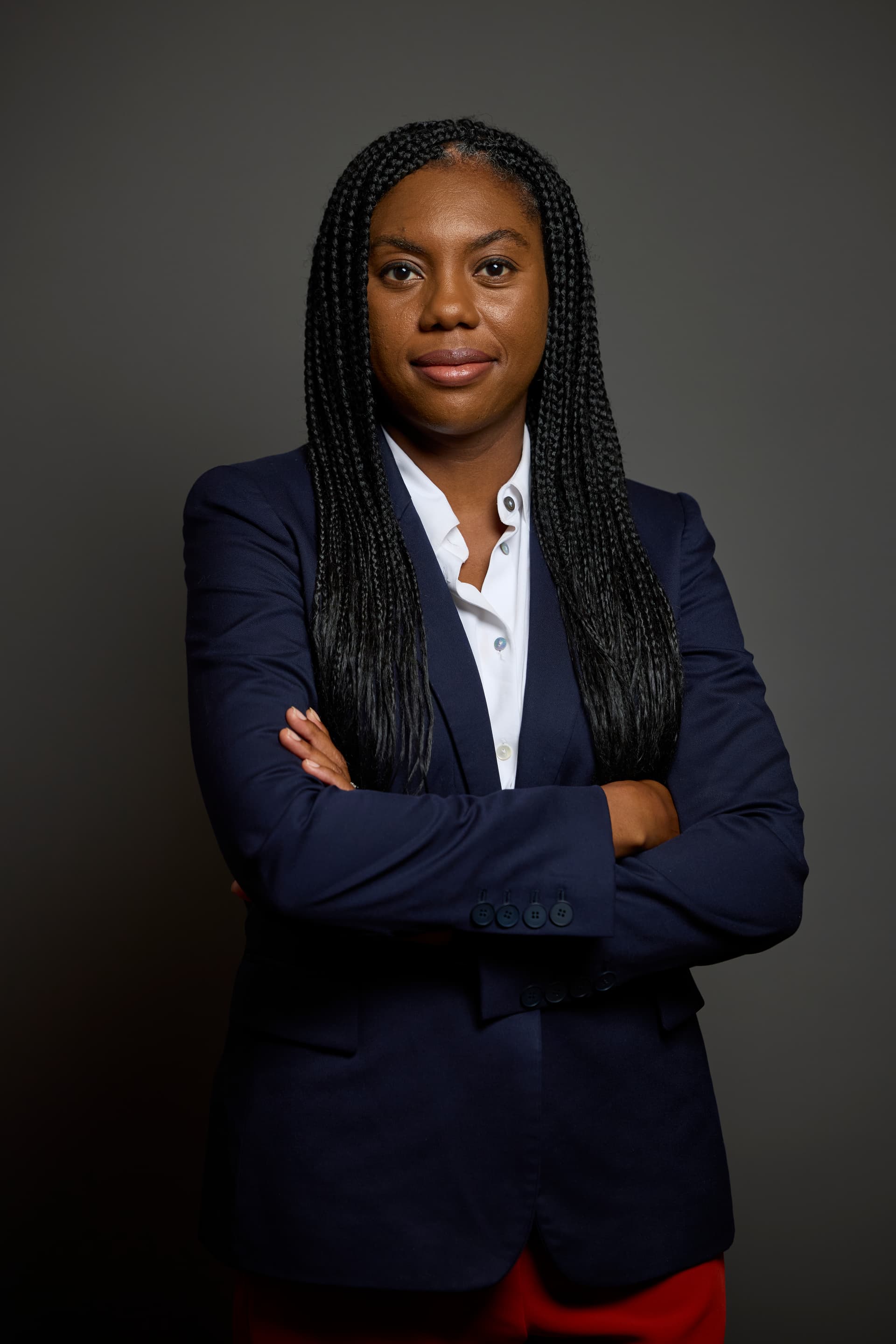
Francesca Hong's Democratic Socialist Bid for Wisconsin Governor Faces Crucial Primary Test
Francesca Hong, a democratic socialist state representative and chef, is poised to win Wisconsin's August 11 Democratic gubernatorial primary, setting up a high-stakes November contest in a pivotal swing state.
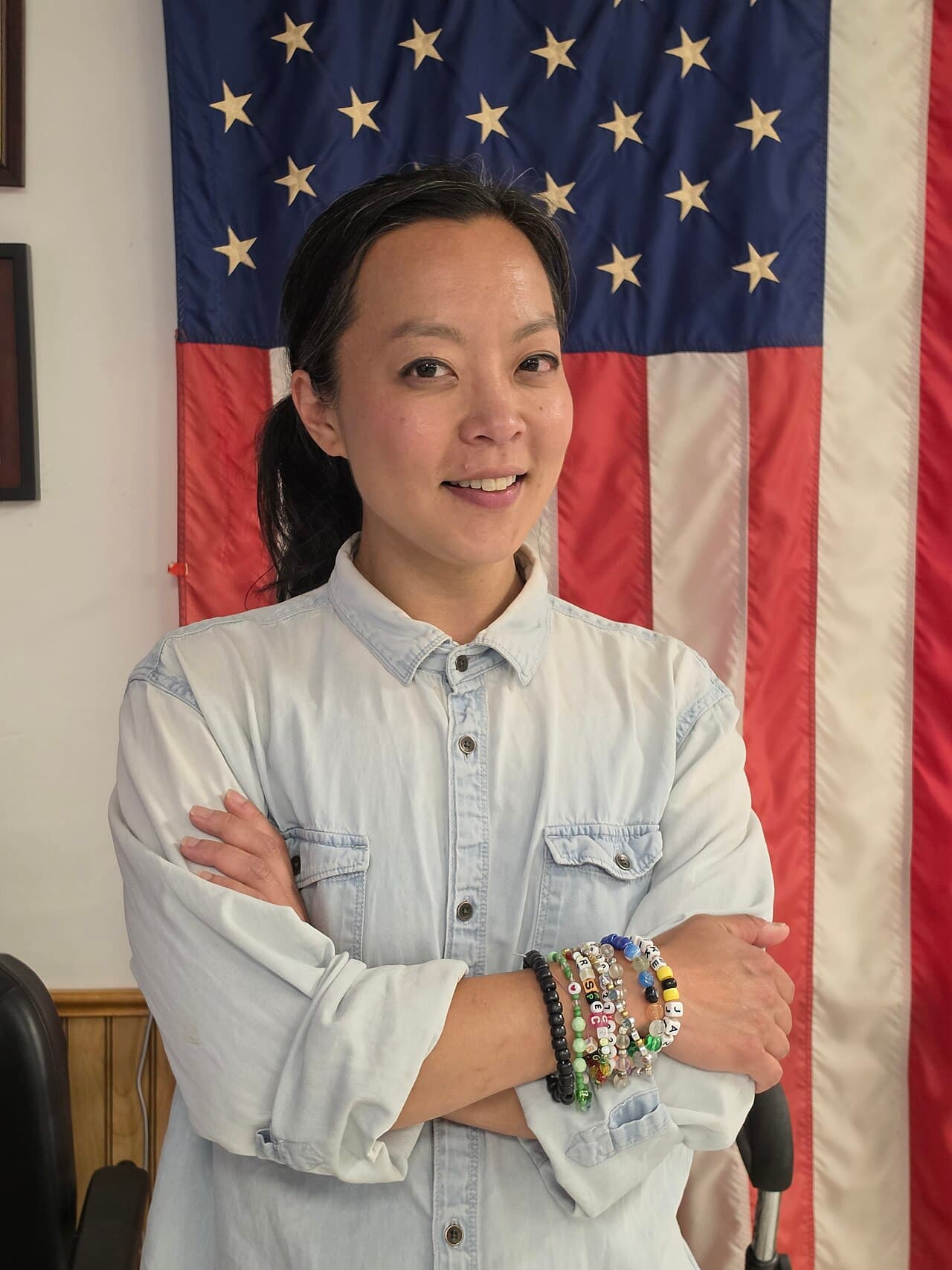
Francesca Hong, a Democratic Socialist state representative from Wisconsin, is poised to win the August 11 Democratic gubernatorial primary, setting up a November showdown in a key swing state after her campaign underwent a last-minute shake-up and faced scrutiny over past social media posts calling for canceling Thanksgiving and abolish
Francesca Hong, a Democratic socialist and state representative from Madison, is competing in Wisconsin’s August 11 Democratic primary for governor. The contest pits her against David Crowley, a moderate rival who has returned to the race after a brief withdrawal. Hong entered politics as a chef and small‑business owner before winning election to the Wisconsin Assembly in 2020. Her campaign has focused on progressive policies, including calls to rethink policing and traditional holidays, which have drawn both grassroots support and criticism from party leaders. The primary is viewed as a test of democratic‑socialist viability in a key swing state ahead of the November 3, 2026, general election, with national attention on whether her platform can translate into broader electoral success.
Hong's political ascent and campaign trajectory
Francesca Hong, a chef‑turned‑politician and member of the Democratic Socialists of America, has represented Wisconsin’s 76th Assembly district since 2021, covering downtown and east‑side Madison and Maple Bluff. Her insurgent campaign has positioned her as the leading Democratic contender in the race for governor, even as party insiders voice doubt about her viability.
Polling ahead of the August primary shows Hong at the top of the Democratic field, though the numbers are marked as low confidence. The primary is set for August 11, alongside contests in Connecticut, Vermont and Minnesota, while South Carolina holds a special Senate primary. Hong entered the contest after Governor Tony Evers decided not to seek a third term, leaving the race wide open.
The campaign underwent a last‑minute shake‑up shortly before the primary, further complicating the landscape for her rivals. David Crowley, described as a more moderate alternative, returned to the race in July, but Hong’s rivals have largely refrained from launching sharp attacks in television advertising.
Hong’s background as a small‑business owner and former chef informs her grassroots approach, and she has emphasized a progressive platform that includes calls to rethink policing and social traditions. Her recent statements about evolving from earlier online posts have drawn both scrutiny and attention.
The outcome of the August primary will serve as a key test for democratic socialist candidates in swing‑state politics, potentially shaping the party’s strategy in upcoming national contests.
Controversy over past social media statements
Francesca Hong faced scrutiny over years-old social media posts in which she called for canceling Thanksgiving and abolishing the police. When questioned by CNN’s Kaitlan Collins, Hong said she had “had some hot takes, some bad takes” and that “I’ve evolved. I’ve learned.” She described the posts as mistakes but did not explicitly say whether she still endorsed the views. The remarks resurfaced during a heated phase of her campaign, drawing commentary from Republican figures such as Tom Tiffany and Glenn Youngkin, who warned that her stance on policing and prisons could endanger the state. Inside the Democratic Party, senior officials expressed doubt about her viability as a general election candidate, even as primary polling suggested she maintained a lead over moderate rival David Crowley. The episode highlighted broader tensions within progressive politics, where advocacy is often weighed against evolving political strategy. Hong’s ability to navigate the fallout has become a test of how democratic socialist platforms can gain traction in a swing state with a complex electoral landscape. Her campaign continues to attract attention as Wisconsin prepares for its August 11 primary, with implications that extend beyond the state’s borders.
Primary challenger David Crowley and campaign shake-up
David Crowley, a moderate Democrat and Hong’s principal primary rival, returned to the Wisconsin governor’s race in July 2026 after an earlier withdrawal. His re‑entry added a second contender to a field that had appeared to coalesce around Hong. The move came as Hong’s campaign faced a last‑minute shake‑up on the eve of the August 11 primary, a date set alongside contests in Connecticut, Vermont and Minnesota. Polling cited in reports indicated Hong held a lead in the Democratic field, but senior party figures voiced public skepticism about her prospects. Despite the scrutiny, Hong’s rivals largely refrained from launching direct attacks in television advertising, allowing her campaign to maintain momentum without overt intra‑party hostility. The primary itself would test whether Hong’s grassroots appeal could translate into a decisive victory, while Crowley’s resurgence underscored the contested nature of the race. The episode highlighted the strategic calculations facing Wisconsin Democrats as they navigated a competitive primary ahead of the November 3 gubernatorial election, with the outcome poised to influence the broader narrative around democratic socialist candidates in swing‑state politics.
Republican criticism and broader political implications
Republican lawmakers Tom Tiffany and Glenn Youngkin publicly criticized Hong, arguing her positions on policing and prisons would endanger Wisconsin. Their comments reflect broader GOP concerns about her platform. Wisconsin’s status as a competitive swing state amplifies the significance of her potential nomination, with some party insiders warning she could be vulnerable in the November general.
Tiffany, a U.S. representative from Wisconsin, warned that Hong’s call to abolish the police and restructure public safety would leave communities without essential protection. Youngkin, the Republican governor of Virginia, echoed the critique, saying her advocacy for sweeping prison reforms would embolden criminal activity and strain state resources. Both framed her platform as extreme and out of step with voter priorities in a state that has swung between partisan control and moderation.
The criticism underscores how Hong’s Democratic Socialist agenda has become a focal point for Republican opposition research and messaging ahead of the general election. By highlighting her most radical proposals, GOP leaders aim to paint her as a risk to public safety and fiscal stability. The narrative also seeks to energize conservative voters ahead of a high-stakes race that could determine control of Wisconsin’s executive branch.
Hong has not directly responded to these attacks but has defended her record on criminal justice reform and community investment. Her ability to withstand this scrutiny will likely influence not only the primary outcome but also her electability in a state where moderate voters hold decisive power. The debate over her platform thus extends beyond policy, shaping perceptions of what a progressive candidate can survive in a battleground electorate.
As the August 11 primary approaches, the GOP’s intensified focus on Hong signals a strategic effort to define her early and define her as unelectable. Whether her campaign can counter these attacks without alienating her base remains a central question in Wisconsin’s evolving political landscape.
Primary context and electoral landscape
Wisconsin’s 2026 gubernatorial primary is set for August 11, the same day voters in Connecticut, Vermont and Minnesota cast ballots for state and federal offices. The contest comes after South Carolina scheduled a special Senate primary to fill the seat vacated by Senator Lindsey Graham. Governor Tony Evers, a Democrat, has declined to run for a third term, leaving the governor’s chair open for 2026 and setting up a competitive Democratic primary.
Francesca Hong, a Democratic socialist and state representative for the 76th Assembly District in Madison, has emerged as the front‑runner in the Democratic field. Her insurgent campaign, built around grassroots organizing and a platform that includes calls to reform policing and prison systems, has drawn both enthusiasm and scrutiny. Polls cited in early reports suggest Hong leads the Democratic primary field, though the data remain low‑confidence and are attributed to unnamed sources.
David Crowley, a more moderate Democrat and former Dane County executive, has positioned himself as Hong’s principal rival. He returned to the race in July after a brief hiatus, but the two candidates have largely avoided direct attacks in televised advertising. Hong’s campaign underwent a last‑minute shake‑up in the weeks before the August 11 primary, a move that coincided with rising public attention and criticism from fellow Democrats and Republican opponents.
Republican figures such as Senator Tom Tiffany and former Virginia Governor Glenn Youngkin have publicly warned that Hong’s progressive positions on law enforcement could endanger the state in a general election. Their comments underscore the broader partisan stakes of the primary, which will determine the Democratic nominee to face the Republican candidate on November 3, 2026. The outcome of Wisconsin’s primary is being watched as a bellwether for democratic‑socialist candidates in competitive swing states.
Democratic Party divisions and strategic concerns
Democratic Party insiders have voiced unease that Hong’s candidacy could jeopardize the party’s prospects in the November general election. They warn that her platform, built around democratic socialist priorities, may alienate moderate voters in a state that remains tightly contested. Polls ahead of the August 11 primary show Hong leading the Democratic field, but party officials fear that her positions on policing and public safety could paint the ticket as too radical for Wisconsin’s electorate.
The tension is amplified by the fact that Hong has avoided direct attacks in campaign advertisements, leaving the criticism to emerge from behind the scenes. Some insiders argue that the party’s broader strategy of courting swing‑state voters demands a candidate who can appeal across ideological lines, whereas Hong’s advocacy for abolishing the police and reimagining public safety runs counter to that calculus.
At the same time, Hong’s grassroots momentum reflects a growing appetite among certain Democratic activists for a more transformative agenda. Her rise has been tolerated, even celebrated, by portions of the party that see her as a vehicle for injecting socialist ideas into mainstream politics. Yet the same enthusiasm has sparked anxiety among establishment figures who worry that a nomination could hand an easy target to Republicans in a year when the governorship is up for grabs.
The debate underscores a fissure within the Wisconsin Democratic Party: one side pushing for a bold, unapologetically leftist vision, the other insisting on a more cautious, electability‑focused approach. How the party resolves this rift before the primary will shape not only Hong’s fate but also the broader narrative of democratic socialism’s role in national electoral politics.
Historical and institutional context
Francesca Hong entered elected office after a decade in the kitchen and running her own food business. Before winning a seat in the Wisconsin State Assembly in 2021, she had worked as a chef and owned a restaurant, experiences she frequently cites when discussing economic policy. The 76th Assembly district she represents includes Madison’s downtown core, its east‑side neighborhoods and the nearby village of Maple Bluff, a mix of urban and suburban voters that gave her a foothold in a competitive part of the state.
Her trajectory mirrors a broader movement of working‑class progressives who leverage personal narratives into political capital. Hong identifies as a democratic socialist and aligns with the Democratic Socialists of America, positioning her platform in contrast to more centrist Democrats while still operating within the party’s electoral machinery. The district’s demographics—young professionals, students and diverse families—provide a receptive audience for her calls for expanded social programs and systemic reform.
Hong’s rise has drawn national attention as a test case for socialist candidates in swing states. While she has yet to secure the party’s nomination, her campaign has become a focal point for debates over the role of progressive ideas in mainstream elections. Her background, therefore, illustrates how personal history can intersect with ideological ambition to shape a political ascent that challenges traditional power structures.
National attention and future outlook
National attention and future outlook Francesca Hong’s Democratic Socialist Bid for Wisconsin Governor Faces Crucial Primary Test
Hong’s campaign has drawn national attention as a test case for democratic socialist candidates in competitive states. Her ability to navigate the primary and subsequent general election will be closely watched as a barometer for the movement’s viability in swing states. The outcome will shape not only Wisconsin’s political trajectory but also broader narratives about the intersection of progressive policy ambitions and electoral pragmatism.
Hong’s grassroots campaign, rooted in her experience as a state assembly member and former chef, has positioned her as a frontrunner in Wisconsin’s gubernatorial primary. Her campaign underwent a last-minute shake-up before the August 11, 2026, primary, amid rising poll numbers and skepticism from party leaders. While her policy platform emphasizes social and economic justice, questions remain about electability in a state where moderate Democrats have historically dominated.
The campaign has faced scrutiny over past social media posts calling for the abolition of Thanksgiving and the police. Hong has acknowledged the posts as “hot takes” and “bad takes,” stating she has evolved. Republican figures such as Tom Tiffany and Glenn Youngkin have criticized her positions on policing and prisons, framing them as threats to public safety.
David Crowley, a moderate Democratic rival, has emerged as Hong’s primary challenger. His return to the race in July 2026 has intensified competition within the party, reflecting broader divisions between progressive and establishment wings.
The primary will be held alongside contests in Connecticut, Vermont and Minnesota, while South Carolina prepares for a special Senate election. The results will determine whether Hong secures the nomination to face Republicans in November’s high-stakes gubernatorial race. Wisconsin’s status as a pivotal swing state amplifies the significance of her bid, with implications for the Democratic Party’s strategy in balancing ideological fervor and electoral viability.
Observers note that Hong’s campaign reflects a broader shift in progressive politics, testing whether socialist platforms can gain traction in traditionally centrist arenas. Her evolution on contentious issues underscores a willingness to adapt, though critics argue her positions remain too radical for a general election.
The primary’s outcome will hinge on voter priorities, with turnout in key demographics likely to decide the race. If Hong prevails, her campaign will transition to a general election battle against a yet-unnamed Republican opponent, potentially setting the stage for a national conversation on the role of democratic socialism in American politics.
The race remains a focal point for analysts tracking the intersection of progressive ideology and electoral strategy, with Wisconsin serving as a microcosm for larger debates within the Democratic Party. Whether Hong’s campaign can translate grassroots energy into sustained political influence will depend on her ability to address concerns about electability while maintaining her policy vision.
For now, the primary serves as a critical juncture, with implications extending beyond Wisconsin’s borders. Its outcome will inform how progressive movements navigate the complexities of modern electoral politics, particularly in swing states where ideological purity often clashes with
Frequently asked questions
Who is Francesca Hong and what is she running for in Wisconsin?
Francesca Hong is a Democratic socialist who serves in the Wisconsin State Assembly representing the 76th district and is running for governor of Wisconsin in the 2026 election.
When is the Wisconsin gubernatorial primary election scheduled?
The Wisconsin gubernatorial primary election is scheduled for August 11, 2026, alongside primaries in Connecticut, Vermont and Minnesota.
What controversies have surrounded Hong's campaign?
Hong has faced scrutiny over past social media posts calling for canceling Thanksgiving and abolishing the police, which she has said she has evolved from and now considers mistakes.
Who are Hong's main rivals in the Democratic primary?
Hong's principal rival is David Crowley, described as a more moderate candidate who returned to the race in July 2026. Other Democratic contenders are also in the field.
What is the significance of Hong's campaign in the broader political context?
Hong's campaign is seen as a test for democratic socialists in a competitive swing state, with party leaders expressing skepticism about her viability in the general election despite her primary standing.