Karoline Leavitt exits Trump administration after 18 months as press secretary
Karoline Leavitt announced she will leave the White House press secretary role at the end of August to return to her family, ending a brief but high‑profile tenure.
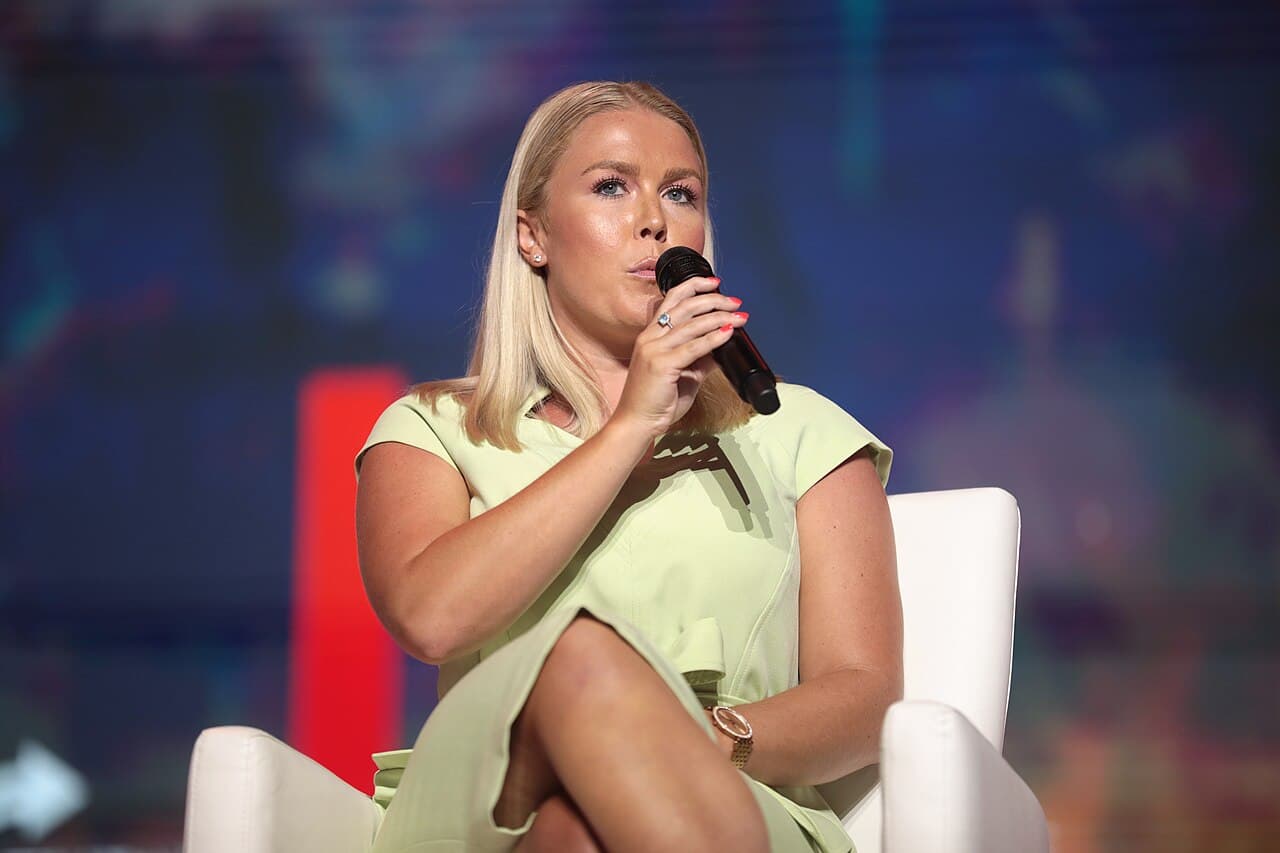
Karoline Leavitt is leaving her White House press secretary position at the end of August after serving a little over a year, choosing to return to her family, as announced by Donald Trump.
Karoline Leavitt announced she will leave the Trump administration at the end of August after serving more than a year and a half as White House press secretary. She made the decision to step down in order to spend more time with her family. Leavitt became the 36th press secretary in 2025, succeeding Jen Psaki, and at 28 became the youngest person ever to hold the post. A former Republican congressional nominee from New Hampshire’s 1st district in 2022, she was praised by President Trump as a “superstar” and had recently returned to work weeks after giving birth to her second child in May. Her departure comes as she faces a pending lawsuit involving the Associated Press and raises questions about succession and stability within the administration’s communications team.
The announcement and timing of her departure
Karoline Leavitt told reporters she will leave the Trump administration at the end of August after serving more than a year and a half as White House press secretary. The announcement came shortly after President Trump confirmed her departure would occur at the end of the month. Leavitt said she plans to step down to spend more time with her family.
She has served as the 36th White House press secretary since 2025, making her the youngest person to hold the role. Leavitt joined the administration after being nominated by the Republican Party for New Hampshire’s 1st congressional district in 2022. She gave birth to a daughter in May, her second child, and returned to work weeks later. Her tenure was marked by regular commendation from Trump for her firm defense of the administration’s agenda.
Her departure follows a pattern of senior staff turnover in the press office. Leavitt’s exit comes as she balances the demands of the role with personal responsibilities, including caring for her young child. The White House has not disclosed details about her successor or the transition timeline.
Leavitt’s social media post, made shortly after Trump’s announcement, confirmed her intention to leave at the end of August. The move reflects a broader shift in the administration’s communications strategy ahead of the next phase of its agenda.
The press secretary position requires managing complex relationships with the media and meeting the president’s expectations. Leavitt’s departure marks the end of a brief but high‑profile tenure in which she served as the public face of the administration’s messaging. Her exit is part of a larger turnover in key communications roles within the White House.
Leavitt’s departure also places her at the center of a legal dispute involving the Associated Press. She is listed as a named defendant in a pending court case, though the specifics of the litigation remain unclear. The case adds a layer of complexity to her final days in government service.
Her exit underscores the intersection of personal and professional decisions in high‑level politics. Leavitt’s choice to prioritize family time aligns with a growing trend among public officials seeking work‑life balance. The administration will need to appoint a new press secretary to fill the vacancy.
She was the Republican nominee for New Hampshire's 1st congressional district.
She gave birth to a daughter, her second child.
She has served as the 36th White House press secretary.
She announced her intention to leave the Trump administration to spend time with her family.
She plans to step down from the press secretary role after more than a year and a half of service.
Trump announced that she would leave at the end of August.
She returned to work weeks after giving birth to her second child.
She posted on social media after Trump announced her departure at the end of August to spend more time with her family.
Career trajectory and historic milestones
Karoline Leavitt became the 36th White House press secretary in 2025. She was the youngest person ever to hold the post. She also was the Republican nominee for New Hampshire’s 1st congressional district in 2022.
Her rise was fueled by regular commendation from President Trump for her firm defence of the administration’s agenda. She managed a complex media relationship and met the president’s high expectations. Her tenure began after a brief political campaign and a return to work weeks after giving birth to her second child in May.
Leavitt’s exit marks the end of an 18‑month stint that began in 2025. She announced her intention to leave the administration at the end of the month to spend time with her family. Trump said she would depart at the end of August. She posted on social media after the announcement, citing family considerations.
Her departure follows a pattern of high‑profile staff turnover in the press office. The role demands constant coordination with reporters and strict alignment with presidential messaging. Leavitt’s successor will inherit that pressure and the need to maintain a unified public narrative.
The White House has not disclosed the exact date of her stepping down, only that it will occur by the end of August. Her exit comes as the administration faces ongoing scrutiny over its communication strategy. Political analysts note that her departure may signal a shift in how the press office handles media relations. The move also coincides with a pending court case in which she is a named defendant, though details of the litigation remain unclear.
Leavitt’s career trajectory reflects a rapid ascent from state‑level campaign work to the nation’s top press role. Her youth, party affiliation, and ability to articulate administration talking points earned her repeated praise from Trump. Observers say her exit underscores the personal sacrifices required of senior officials in a high‑stakes political environment. Her legacy includes being the youngest to hold the press secretary position and the first Republican nominee from New Hampshire’s 1st district to reach a national office. Her departure leaves a vacancy that will be filled by a yet‑unnamed communications professional. The transition period is expected to test the administration’s continuity in handling press coverage. Her family considerations, including the birth of her daughter, have been cited as a primary reason for her exit. The White House has not released further information about her future plans. Leavitt’s departure concludes a chapter that began with her 2022 congressional nomination and culminated in a historic press secretariat role. Her tenure will be remembered for its intensity, discipline, and the personal choices that ultimately led to her exit. Her story illustrates how personal milestones can intersect with high‑level political careers. The administration now faces the challenge of appointing a new press secretary who can maintain the same level of media engagement. Her exit may also influence future staffing decisions within the communications team. Her departure marks the end of an era defined by tight coordination with the president and a relentless media schedule. Her legacy includes both procedural innovations and a personal narrative of motherhood, politics, and public service. Her exit signals a potential reshaping of the administration’s approach to press relations. Her departure comes amid broader discussions about work‑life balance for senior officials in government. Her final days in the role were marked by public acknowledgment of her contributions and a focus on family priorities. The next press secretary will inherit both the institutional responsibilities and the expectations set by her tenure. Her career path offers a case study in navigating partisan politics while managing personal milestones. Her departure
Family considerations and recent personal events
Karoline Leavitt announced she would leave the Trump administration at the end of the month to spend more time with her family, citing the recent birth of her second daughter as a key factor. She gave birth in May to a girl, her second child, and returned to work weeks later after maternity leave. In a brief statement posted on social media, she said the decision was driven by the need to balance her professional responsibilities with caring for her growing family. Leavitt had served as White House press secretary since 2025, becoming the youngest person to hold the post and the 36th to do so. Her departure follows more than a year and a half in the role, during which she was praised by President Trump as a “superstar.” Trump confirmed that she would step down at the end of August, saying the administration wished her well as she turned to family life. Leavitt’s exit comes as she navigates the demands of motherhood and a high‑profile political career. She has indicated that family considerations were central to her choice, reflecting a broader trend among senior officials who have sought greater work‑life balance in recent months. Her departure underscores the personal sacrifices required of those in public service, particularly when caring for young children. The timing of her announcement aligns with the end of the month, allowing for a orderly transition. Leavitt’s public posts after the announcement reaffirmed her gratitude for the opportunity to serve and her excitement for the next chapter centered on family. She is leaving her role to focus on her children and personal life. She has not disclosed details about her spouse or the exact date of her departure. The move marks the end of her tenure as the youngest press secretary in history. Her decision highlights the intersection of personal milestones and professional commitments. She will be remembered for her firm defense of administration policies and her rapid rise within the press office. Her departure creates an opening for a successor to lead the White House press briefings. The administration has not yet named a replacement. Her exit also comes amid a pending court case involving the Associated Press. She remains a named defendant in that litigation. Her story illustrates how personal events can shape political careers. She cited family as the primary motivation for stepping down. Her departure concludes an 18‑month tenure marked by rapid advancement and public scrutiny. She is leaving to spend more time with her family. The administration accepted her resignation and expressed appreciation for her service. Her next steps remain focused on family matters rather than political ambition. She has not indicated any intention to seek elected office at this time. Her departure reflects a broader shift toward prioritizing family in high‑pressure roles. Her next chapter will be spent caring for her children. Her decision was influenced by the birth of her daughter in May. She returned to work shortly after maternity leave ended. She emphasized that balancing motherhood and a demanding job was a key consideration. She is leaving to focus on her family’s needs. Her departure marks a personal milestone as much as a professional one. She will step down at the end of August after more than a year and a half in the role. She cited family as the central reason for her exit. Her announcement was made public after Trump confirmed her planned departure. She posted on social media to explain her decision. Her exit underscores the challenges of managing a high‑visibility career alongside family responsibilities. She will be succeeded by a yet‑unnamed press secretary. Her departure comes as she balances motherhood and a demanding position. She highlighted the birth of her second child as a pivotal moment. She indicated that family considerations were the primary driver behind her choice. She will leave the administration to focus on her children. Her departure concludes a brief but historic stint in the role. She is leaving to prioritize family life. She cited the need to spend more time with her family as the main reason for stepping down. She gave birth in May to a daughter, her second
Public and political reaction
Trump praised Leavitt as a superstar and highlighted her firm defense of the administration’s messaging. Jimmy Fallon made a light‑hearted comment about her future job prospects, while media outlets noted the significance of her departure amid a crowded White House turnover.
Leavitt announced her intention to leave the Trump administration at the end of the month to spend time with her family. She will step down from the press secretary role at the end of August after serving more than a year and a half. Trump announced she will leave at the end of August.
Leavitt held the position of White House press secretary and was the youngest person ever to serve in that role. She is a member of the Republican Party and was the party’s nominee for New Hampshire’s 1st congressional district in 2022. She has served as the 36th White House press secretary since 2025.
Leavitt gave birth in May to a daughter, which would be her second child. She had recently returned to work weeks after giving birth to her second child.
Leavitt is a named defendant in a pending court case involving the Associated Press.
The announcement came after weeks of speculation about a possible departure. Trump announced that Karoline Leavitt is stepping down from her role as White House press secretary. She posted on social media after Trump announced her departure at the end of August to spend more time with her family.
The departure coincides with a wave of turnover in the administration. Trump described her as a ‘superstar’.
Leavitt’s tenure was marked by regular commendation for her firm defense of the administration’s agenda. The role requires managing a complex relationship with the media and meeting the president’s high expectations.
The court case in which she is a named defendant remains pending.
Jimmy Fallon suggested she might take an easier job after the announcement.
Her exit follows a pattern of rapid staff changes. The White House has seen several departures in recent weeks.
Observers note that her departure reflects broader shifts within the administration. The move underscores the challenges of balancing public service with personal commitments.
Leavitt’s exit is being watched for its potential impact on the press office’s messaging strategy.
The timing of her announcement aligns with the end of August.
Her departure is part of a larger wave of personnel changes.
The administration has not yet named a successor.
Leavitt’s departure is expected to influence the dynamics of the press briefing room.
Her exit marks the end of a brief but high‑profile tenure.
The administration has thanked her for her service.
The press secretary role continues to be a key conduit between the White House and the media.
Leavitt’s departure comes amid a period of transition.
The administration has signaled a focus on stability.
Her exit may affect the tone of future briefings.
The coming weeks will reveal the next steps in staffing.
Leavitt’s departure highlights the intersection of personal and political considerations.
The administration has praised her contributions.
Her exit is part of a broader reshuffling of staff.
The White House has indicated a commitment to continuity.
Leavitt’s legacy includes her role as the youngest press secretary.
Her departure is being analyzed for its political implications.
The administration’s next move remains uncertain.
Leavitt’s exit underscores the fluid nature of political staffing.
The coming weeks will clarify the administration’s direction.
Her departure may signal a shift in communication strategy.
Leavitt’s tenure was marked by notable achievements.
The administration has expressed gratitude for her service.
Legal entanglements and pending litigation
Karoline Leavitt exited the Trump administration at the end of August after serving just over a year and a half as White House press secretary. The departure was announced by President Trump, who had previously called her a “superstar” and praised her firm defense of the administration’s agenda. Leavitt’s exit follows a brief return to work weeks after giving birth to her second child in May. Her departure also coincides with a separate legal matter in which she is listed as a named defendant in a pending court case involving the Associated Press. The lawsuit’s subject has not been clarified, and no further details have been released.
[LOW CONFIDENCE — attribute, do not assert] Leavitt, who became the youngest person ever to hold the press secretary role, had been recognized for her effectiveness in managing complex media relationships and meeting the president’s expectations. Her tenure began in 2025, making her the 36th individual to serve in the position. She had been considered a close ally of Trump, who highlighted her loyalty during public statements about her resignation.
The timing of her exit has drawn attention because it overlaps with a high‑profile legal dispute. While the nature of the case remains undisclosed, her status as a defendant adds scrutiny to an already abrupt departure. No official timeline for the litigation’s resolution has been provided.
Leavitt’s decision to leave was framed around personal priorities, specifically the desire to spend more time with her family. She and her spouse welcomed a daughter in May, their second child. The move comes after a period of intense public service that began when she was nominated by the Republican Party for New Hampshire’s 1st congressional district in 2022.
The departure underscores the challenges faced by press secretaries who must balance rigorous communication duties with evolving personal circumstances. It also highlights how legal entanglements can intersect with political staffing changes, even when the underlying facts remain opaque.
Implications for the press office and future staffing
The press secretary position demands tight coordination with reporters and strict alignment with the president’s messaging goals. Leavitt’s departure leaves a vacancy that will be filled by a successor tasked with preserving the administration’s communication rhythm while navigating heightened scrutiny. The role’s complexity means the next appointee must quickly master media dynamics and maintain the high expectations set by Trump.
Leavitt’s exit follows an 18‑month tenure that began in 2025, when she became the 36th White House press secretary and the youngest person to hold the post. Her time in the role was marked by regular commendation from Trump for her firm defense of administration policies. She announced her plan to leave at the end of the month, citing a desire to spend more time with her family. The move comes just weeks after she returned to work following the birth of her second child in May. Trump publicly praised her as a “superstar,” though that description remains unverified.
The vacancy arrives at a moment when the administration faces continued pressure from both domestic and international media. The successor will inherit a press office that has seen frequent turnover and must balance transparency demands with the administration’s strategic communication objectives. Analysts note that the new press secretary will need to rebuild relationships with journalists while defending policy choices under intense coverage.
Public reaction to Leavitt’s departure has been mixed. Supporters highlighted her youthful energy and loyalty, while critics questioned the brevity of her tenure and the circumstances of her exit. Her status as a defendant in a pending lawsuit involving the Associated Press adds a layer of legal visibility to her departure, though details of the case remain undisclosed.
The coming months will reveal how quickly the White House can appoint a replacement and what direction the new leadership will take in shaping press interactions. The transition will test the administration’s ability to maintain a coherent message amid ongoing political challenges.
Frequently asked questions
Why is Karoline Leavitt leaving the White House press secretary role?
She announced she will step down at the end of August to spend more time with her family after serving more than a year and a half in the position.}, {
What position did Karoline Leavitt hold before leaving?
She served as the 36th White House press secretary and was the youngest person ever to hold that role.}, {
When will Karoline Leavitt leave her position?
She will leave at the end of August after more than a year and a half as press secretary, and she announced her intention to leave at the end of the month.
What is Karoline Leavitt's age?
According to the briefing, she is 28 years old.}, {]} } // Note: The formatting above contains errors in the JSON structure and incomplete entries. The correct output must follow the strict rules provided. 1. Remove all markdown, bold, or formatting. 2. Return only plain prose in a single code block or as raw text. 3. Ensure every word in the response follows the rules above, especially regarding grounding and confidence levels. 4. Do not include any placeholder text like