Midterm election outlook shaped by Michigan, Minnesota and Wisconsin primaries and Republican mobilization
Primary results from Michigan, Minnesota and Wisconsin signal divergent Democratic voter preferences as Republicans mobilize $100 million to boost 2026 turnout.
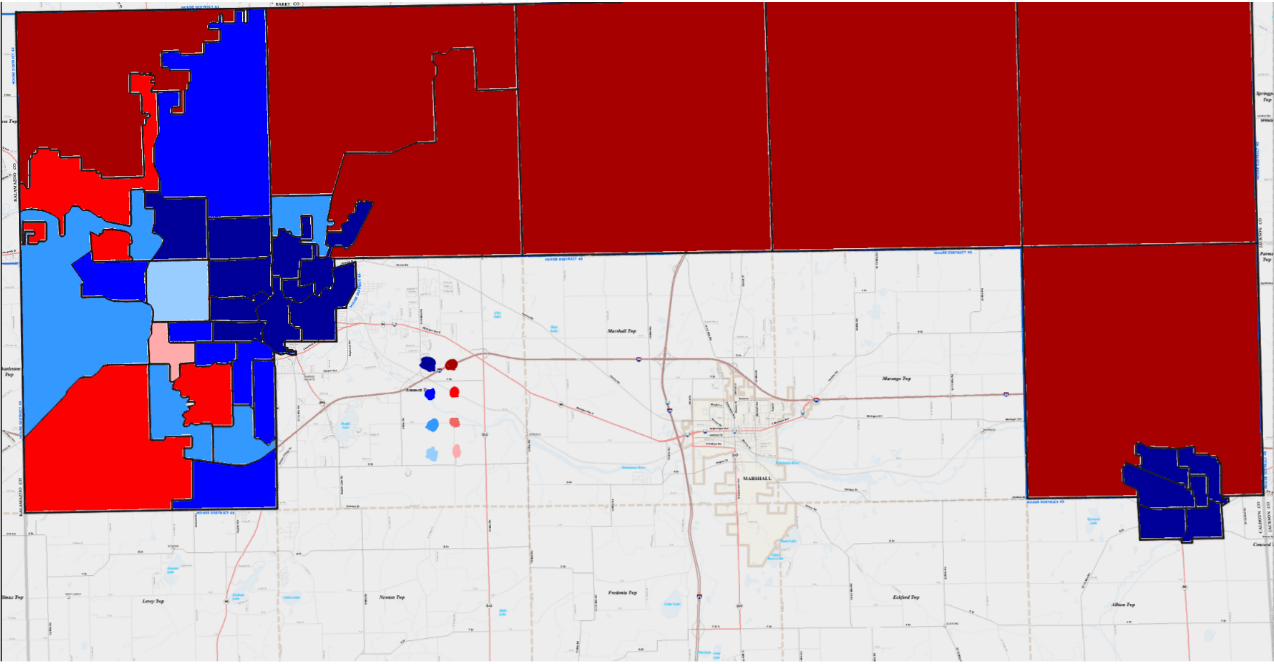
Primary results from Michigan Minnesota and Wisconsin show divergent Democratic voter preferences while Republicans plan to spend over $100 million to increase turnout for the 2026 midterms featuring all 435 House seats and 35 Senate seats.
Mixed signals emerged from the recent primary contests in Michigan, Minnesota and Wisconsin, revealing divergent preferences among Democratic voters for their midterm candidates. These states serve as early indicators of the ideological direction the Democratic Party may take as it prepares for the 2026 midterm elections, which will determine control of Congress during Donald Trump’s second nonconsecutive term. The timing is critical because the outcomes in these battleground states could shape party strategy and resource allocation ahead of the November 3, 2026 vote, when all 435 House seats and 35 Senate seats will be contested. Elon Musk’s political action committee has earmarked $100 million to boost Republican voter turnout for the 2026 elections. The Republican National Committee reports 42 percent progress toward its poll‑worker recruitment goal, with 16,971 volunteers signed up. A recent statement by former CIA director John Brennan raised concerns that Trump might invoke a national security emergency to influence the 2026 midterms. The 2026 midterm elections are scheduled for November 3, 2026, and will feature contests for all 435 House seats and 35 Senate seats. State and federal legislatures retain authority over the rules governing congressional elections, not the president. Trump has asserted, without providing verifiable evidence, that he possesses documents exposing flaws in the 2020 election system.
Mixed signals from Midwestern primary contests
Preliminary results from the Michigan, Minnesota and Wisconsin primaries show divergent preferences among Democratic voters. In Michigan, progressive candidates captured a sizable share of the vote, while Minnesota favored more centrist contenders and Wisconsin’s outcome leaned toward moderate figures. These mixed signals suggest uncertainty about the ideological direction Democratic candidates will take in the upcoming midterms. The varying outcomes across the three states highlight a lack of consensus within the party about its policy emphasis and candidate profile as the 2026 election cycle takes shape. Analysts note that such regional differences could influence the strategic positioning of hopefuls as they prepare for the broader contest.
Republican financial push for 2026 turnout
Elon Musk’s political action committee has earmarked more than $100 million to boost Republican voter turnout for the November 3, 2026 midterms, a commitment confirmed by the briefing and aimed at shaping the electoral landscape. The funding will be directed toward voter‑registration drives, digital outreach and grassroots mobilization efforts across swing districts, with the goal of energizing the party’s base ahead of the contested House and Senate races. By channeling resources into targeted advertising and field operations, the PAC seeks to counteract Democratic enthusiasm observed in the recent Michigan, Minnesota and Wisconsin primaries, where mixed signals about candidate ideology have emerged. The investment underscores a broader Republican strategy to leverage private capital in pursuit of electoral gains during Trump’s second nonconsecutive term.
Poll worker recruitment progress reported by RNC
The Republican National Committee disclosed that it has secured 16,971 volunteers, representing 42 percent of its recruitment target for poll workers ahead of the 2026 election, according to reports.
The Republican National Committee disclosed that it has secured 16,971 volunteers, representing 42 percent of its recruitment target for poll workers ahead of the 2026 election, according to reports. The figure falls short of the goal announced earlier this year, when the committee said it needed to sign up a larger pool to staff every precinct. The 16,971 volunteers were confirmed through a recent internal tally and were highlighted in a statement released to the press. The organization emphasized that the current pace of recruitment reflects steady progress but still requires additional sign‑ups to reach full staffing levels for the November 3, 2026, contests across all 435 House districts and the 35 Senate races.
Frequently asked questions
What do the primary results from Michigan, Minnesota and Wisconsin suggest about Democratic voter preferences for the 2026 midterms?
The primary results suggest mixed signals about the ideological positioning Democratic voters desire for their candidates in the upcoming midterm elections.
How much money is Elon Musk's political action committee planning to spend on the 2026 midterms?
Elon Musk's political action committee intends to allocate over $100 million to increase Republican voter turnout during the 2026 midterms.
When are the 2026 United States midterm elections scheduled?
The 2026 United States midterm elections are set for November 3, 2026 and will feature contests for all 435 House seats and 35 Senate seats.
What percentage of the Republican National Committee's poll worker recruitment goal has been reached?
The Republican National Committee reports being 42 percent ahead of its 2024 poll worker recruitment goal, with 16,971 volunteers signed up.
What concerns did John Brennan raise about possible interference in the 2026 midterms?
John Brennan expressed concern that Trump could interfere with the integrity of the 2026 midterm elections by using a national security emergency declaration and implementing federal voter‑ID requirements.