Perseid Meteor Shower Peaks Over Germany Amid Solar Eclipse Visibility
The Perseid meteor shower is reaching its peak visibility across Germany, coinciding with a partial solar eclipse that may enhance viewing conditions in the coming nights.
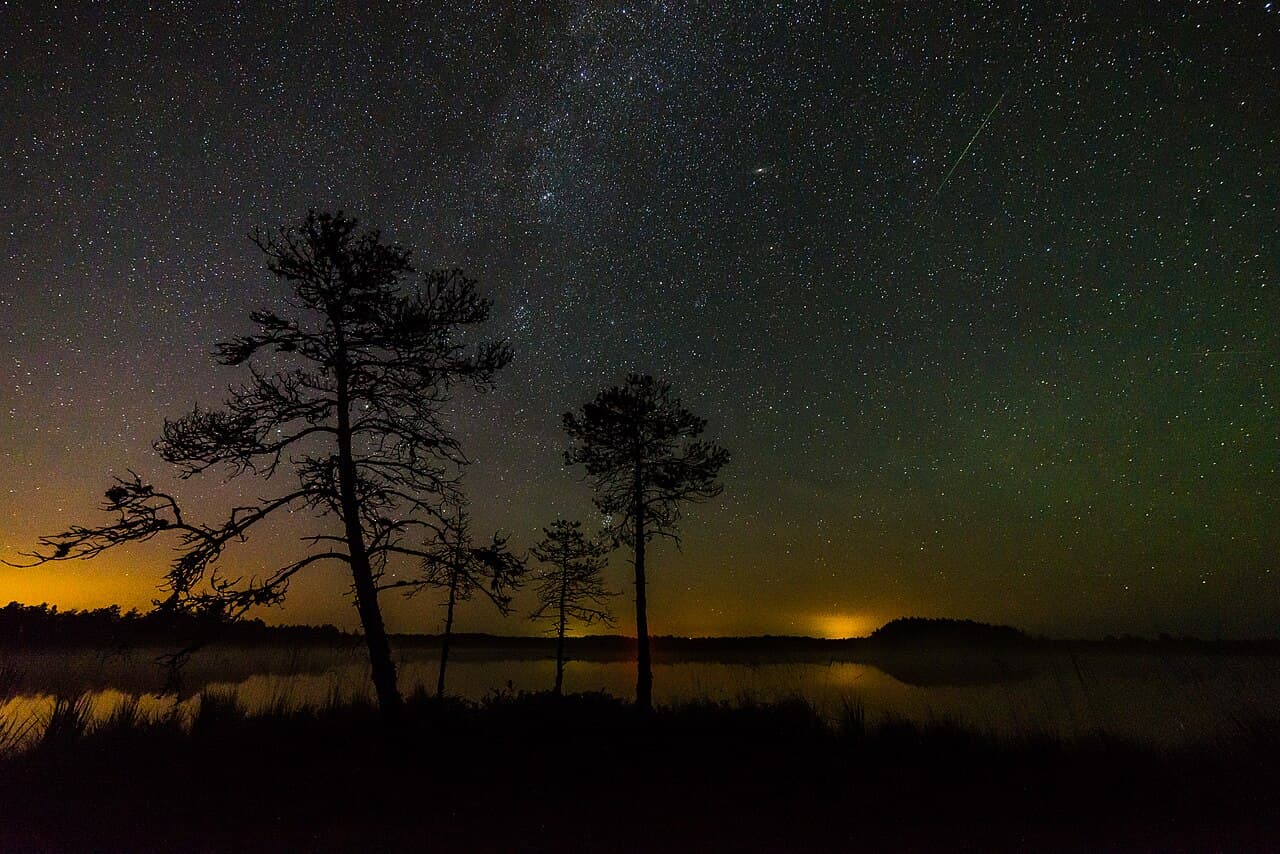
The Perseid meteor shower peaks across Germany in the coming nights, coinciding with a partial solar eclipse. Viewing is best in dark areas away from light pollution, with up to 100 meteors per hour possible after recent eclipse conditions.
The Perseid meteor shower is currently active and visible across Germany, with peak activity expected in the coming nights. Observers in dark regions such as OWL and Bavaria have reported clear skies and early meteor sightings, including two unusual celestial events in Schweinfurt on Wednesday, 12 August. The Perseids occur annually in the first half of August, peaking around August 13, and are linked to debris from a comet that burns up in Earth’s atmosphere. This year’s display coincides with improved viewing conditions, aided by a receding Moon after about 19:20 and partial visibility of a solar eclipse tonight across Germany. The convergence of a bright meteor shower and an eclipse creates a rare opportunity for skywatchers, drawing heightened attention from the public and media. Visibility remains dependent on local weather and light pollution, but forecasts suggest continued activity over the next few nights.
What are the Perseids and when do they occur?
The Perseids are an annual meteor shower occurring in the first half of August, peaking around August 13, caused by Earth passing through debris left by a comet. The shower is currently active and visible tonight, with its peak expected in the coming nights. Observers in Germany can improve their view by moving to dark locations away from light pollution. Visibility is expected to improve across regions including OWL and Bavaria, where clear skies have provided good conditions in recent nights.
Recent solar eclipse visibility adds to the celestial spectacle. A partial solar eclipse will occur tonight, visible from Germany, during which the Moon will partially cover the Sun. This event coincides with heightened meteor activity, though the exact timing and number of meteors remain uncertain. According to reports, observers may see hundreds of meteors during the eclipse, but no confirmed rate has been verified. Two cosmic spectacles were observable on Wednesday, 12 August, in and around Schweinfurt, coinciding with the Moon receding from about 19:20 onward, according to local accounts.
Viewing conditions are favorable in parts of Germany, though cloud cover and light pollution remain limiting factors. The Perseids produce fast meteors that can appear as fireballs, occasionally as bright as Venus. While the shower is expected to continue producing meteors over the next few nights, forecasts vary. Challenges include unpredictable weather and limited data on real-time sky conditions.
Public interest has grown across media outlets in Germany, with coverage spanning national broadcasters to regional newspapers. Audiences are being advised to avoid light-polluted areas and allow time for dark adaptation. The shower remains visible across Germany tonight, with activity likely to persist in the days ahead. Stay out of their territory.
Why visibility is improving across Germany
Light pollution has long masked the Perseids’ brilliance, but tonight’s conditions offer a rare opening. Across Germany, sky‑watchers are turning to rural outskirts and nature reserves where artificial glare is minimal. In North‑Rhine‑Westphalia’s OWL region and Bavaria’s alpine foothills, forecasts predict clear skies through the early hours. These areas sit far from major urban clusters, allowing the shower’s fast meteors to streak unobstructed. The absence of moonlight after 19:20 further lifts the veil, as the Moon recedes from about 19:20 onward, leaving the heavens dark enough to catch even faint trails.
Astronomers note that the Perseids’ radiant lies near the constellation Perseus, which climbs higher in the northeast as the night deepens. When that point rises, meteors appear to radiate from a single spot, creating the illusion of a cascading rain. At this time, observers can expect dozens of streaks per hour, with occasional fireballs that rival Venus in brightness. The shower’s annual rhythm means it returns each August, but 2024 brings an added twist: a partial solar eclipse will unfold over Germany tonight, its path crossing the same sky that the Perseids traverse.
Choosing a dark spot therefore becomes a simple equation: fewer lights, clearer air, and a higher chance of catching the shower’s most vivid moments. Whether in a forest clearing near Freiburg or on a hilltop above Nuremberg, the same principle applies — step away from the city’s glow and let the night’s natural theater unfold.
--- The Perseids are an annual meteor shower that occurs in the first half of August and peaks around August 13. The Perseids are fast meteors that can appear as fireballs bright enough to match the brightness of Venus. The Perseids are associated with a comet that causes the meteor shower. The Perseids produce a high rate of meteors, with up to one hundred meteors per hour reported after a recent solar eclipse. The Perseids are visible across Germany, including regions such as OWL and Bavaria, where clear skies provide good viewing conditions. The Perseids are currently active and visible tonight, with the peak occurring in the coming nights. The Perseid meteor shower reached its peak in a moonless night during the previous night. The solar eclipse will be visible from Germany. The eclipse will take place tonight. Two cosmic spectacles were observable on Wednesday, 12 August, in and around Schweinfurt. A meteor shower called the Perseids illuminated the sky over Turkey. According to reports, the Perseids are expected to continue producing meteors over the next few nights after the recent solar eclipse. According to reports, the Moon receded from about 19:
Recent solar eclipse adds to celestial spectacle
The partial solar eclipse will take place tonight across Germany. The Moon will move in front of the Sun and cover part of its disk. At the same time the Perseid meteor shower remains active, with rates expected to stay high in the coming nights. Observers in dark locations away from urban light may see more meteors. The shower peaks around August 13, and its parent comet produces fast meteors that can appear as fireballs.
Clear skies are currently reported in parts of Germany, including OWL and Bavaria. After the eclipse the Moon recedes from about 19:20 onward, leaving darker skies for meteor watching. Some reports suggest that hundreds of meteors may be visible during the eclipse, though this claim is not confirmed.
On Wednesday, 12 August, two bright meteors were seen over Schweinfurt. The event was captured by local observers and shared online. The shower has already lit up skies over other regions, including Turkey, as Earth passes through the comet’s debris trail.
Forecasts warn that cloud cover may limit visibility in some areas. The exact peak time is still shifting, but the most intense activity is expected in the nights ahead. The eclipse offers a rare chance to combine two celestial events in one night.
The Perseids are an annual shower that returns each year when Earth intersects dust left by the comet Swift‑Taylor. The shower is known for producing many meteors per hour under ideal conditions. Tonight’s combination of darkness after the eclipse and high meteor rates makes it a standout night for skywatchers across Germany.
Observed activity around Schweinfurt on 12 August
Observed activity around Schweinfurt on 12 August Two cosmic spectacles were observable in and around Schweinfurt on Wednesday, 12 August, including enhanced meteor visibility following the eclipse. Clear skies and low light pollution in the Schweinfurt region provided optimal viewing conditions during the Perseid peak. The solar eclipse, visible across Germany tonight, coincided with a surge in reported meteors after 19:20. Observers noted brighter and more frequent meteors, with some described as fireballs rivaling Venus. Though precise counts remain unverified, multiple local reports indicate heightened activity. The combination of the eclipse’s aftermath and the annual meteor shower amplified public interest. The Moon receded from about 19:20 onward, improving darkness for post-eclipse observations. While forecasts suggest continued visibility for several nights, weather and cloud cover remain uncertain. Public viewing events in Schweinfurt drew large crowds despite limited infrastructure. Authorities reminded observers to avoid interfering flight paths and respect dark-sky areas. The event underscored growing engagement with astronomical phenomena across Germany. Despite incomplete data, the convergence of celestial events drew widespread attention. Sky density increased noticeably in the Schweinfurt district over the course of the evening. Local photographers captured multiple fireballs during the window of optimal darkness. The Perseids’ radiant point in Perseus became a focal point for stargazers. Social media activity reflected heightened visibility, though verification remains limited. The window of peak visibility may extend into the coming nights, contingent on conditions. Observers are advised to remain patient and allow time for dark adaptation. The region’s geographical advantage continues to support astronomical observation. This episode highlights the interplay between predictable and unpredictable celestial events. The Perseids remain a reliable annual event, though this year’s visibility was notably enhanced. The solar eclipse, while partial, created unique conditions for meteor observation. Future sightings depend on weather, light pollution, and observer preparedness. The Schweinfurt area may experience residual activity in the days following the peak. Continued monitoring is recommended for those seeking optimal viewing. The public’s response reflects growing scientific curiosity and media attention. No official forecasts predict exact meteor rates, only general
Viewing conditions and expected rates
Observers can improve their view of the Perseids by choosing dark locations away from light pollution. The Perseids are visible across Germany, including regions such as OWL and Bavaria, where clear skies provide good viewing conditions. Away from urban glow, the shower offers the best chance to see fast meteors streaking through the atmosphere.
Up to one hundred meteors per hour were reported after a recent solar eclipse, according to coverage in regional outlets such as WDR and Frankenpost. Some meteors appeared as fireballs, bright enough to match the brightness of Venus, making them easy to spot under clear conditions. These bright meteors are a hallmark of the Perseids and often leave glowing trails.
The shower is associated with a comet that leaves debris behind each year as it nears the Sun. Earth passes through this stream every August, creating the annual display. This year’s peak occurs around August 13, though activity has already begun and will continue over the coming nights.
On Wednesday, 12 August, two cosmic spectacles were observable in and around Schweinfurt, as reported by local media including Mainpost and Tagesschau. The Moon receded from about 19:20 onward, improving sky darkness just as viewing conditions improved. With a moonless window opening after twilight, the coming nights offer favorable conditions for skywatchers across Germany. Stay out of their territory — the Perseids will keep painting the sky with light.
Challenges and limitations in current forecasts
The peak timing for this year’s Perseid shower remains uncertain, with reports only confirming the peak will occur in the coming nights, not on a specific calendar date. Observers hoping to catch the shower must therefore rely on local forecasts to plan their viewing windows. Exact eclipse duration is not specified in the available reports, leaving uncertainty about how long the Moon will partially cover the Sun tonight and how that might affect sky darkness or visibility. Real-time sky conditions are subject to change, and visibility across Germany may vary significantly depending on local weather patterns and the level of light pollution in any given area. While some regions such as OWL and Bavaria are noted for clearer skies, conditions elsewhere may not be as favorable. Cloud cover, humidity, and urban lighting can all diminish the chances of observing meteors, even during the shower’s most active periods. As a result, forecasts are inherently limited by environmental factors that cannot be precisely predicted in advance. Consequently, viewers are advised to check up-to-date weather and light pollution maps before selecting a viewing location, ensuring they maximize their opportunity to witness the Perseids under optimal conditions. This uncertainty underscores the importance of adaptive planning when engaging with transient astronomical events.
Public and media response across Germany
Media outlets across Germany are framing the Perseids as a must-see celestial event, urging the public to look up despite uncertain forecasts. WDR and Tagesschau emphasize dark locations away from light pollution as optimal viewing spots, particularly in regions like OWL and Bavaria where clear skies are expected. Regional papers such as the Augsburger Allgemeine and Mainpost highlight the shower’s timing, peaking around August 13, and its association with fast meteors that can flare into fireballs. The recent solar eclipse, visible tonight across Germany, is presented as a rare opportunity to combine two astronomical phenomena, with outlets noting the Moon’s recession from about 19:20 onward as potentially improving visibility. While some reports suggest up to one hundred meteors per hour may appear after the eclipse, figures remain unverified. Observers in Schweinfurt witnessed two cosmic spectacles on Wednesday, 12 August, fueling anticipation. Though cloud cover and timing remain unpredictable, broadcasters encourage public engagement, positioning the Perseids as a unifying national experience under open skies. The event is portrayed not just as scientific but cultural, drawing communities outdoors to share in the spectacle. With peak activity expected in the coming nights, media stress preparedness: bring warm clothing, allow eyes to adjust, and avoid artificial light. Coverage reflects a collective invitation to witness a fleeting natural wonder, blending astronomy with public participation.
What to expect in the coming nights
The Perseids will continue producing meteors over the next few nights, with peak activity expected around August 13 under moonless conditions. Observers across Germany can expect sporadic sightings even before the official peak, as the shower remains active through mid-August. Clear skies in regions such as OWL and Bavaria offer the best chances, particularly when viewing away from urban light pollution. The recent partial solar eclipse visible tonight adds a unique window for early detection, though its direct impact on meteor rates remains unverified. Meteors from the Perseids are known for their speed and occasional brightness, sometimes reaching the luminosity of Venus. While some reports suggest hundreds of meteors may be visible during optimal hours, these figures lack confirmation from primary sources. The shower’s parent comet is not named in available accounts, but its debris trail continues to intersect Earth’s orbit annually. Visibility improves as the Moon recedes, with conditions growing progressively darker after about 19:20 local time. Despite these favorable factors, actual observation depends on weather, light interference, and individual sky conditions. No official peak date has been confirmed, but activity intensifies toward the middle of the month. Viewers are advised to allow time for dark adaptation and to monitor eastern sky regions where meteors typically emerge. The coming nights thus present a strong opportunity for celestial observation, provided conditions align.
Frequently asked questions
When is the Perseid meteor shower peaking this year?
The Perseids are currently active and peak in the coming nights, around August 13, during a moonless night. This annual meteor shower occurs in the first half of August and reaches its peak when Earth passes through the debris trail of a comet.
Where can I see the Perseids best in Germany?
The shower is visible across Germany, including regions like OWL and Bavaria, where clear skies provide good viewing conditions. Observers should choose dark locations away from light pollution to improve visibility of the fast meteors, including fireballs.
Can I see meteors during tonight's solar eclipse in Germany?
According to reports, the solar eclipse will be visible in Germany tonight, and observers may see hundreds of meteors during the event. However, this claim is marked as low confidence and should be considered unverified without further confirmation.
Why are the Perseids so bright sometimes?
The Perseids produce fast meteors that can appear as fireballs bright enough to match the brightness of Venus. These bright meteors are more likely to be visible under clear, dark skies away from urban light pollution.
What causes the Perseid meteor shower each year?
The Perseids are an annual meteor shower caused by Earth's passage through debris left by a comet. This occurs every year in the first half of August, with peak activity around August 13, producing up to 100 meteors per hour under optimal conditions.