SpaceX rocket stage crashes into Moon near Einstein Crater
A spent Falcon 9 upper stage unintentionally struck the Moon on August 5 2026, creating a new crater and highlighting growing concerns about space debris in lunar orbit.
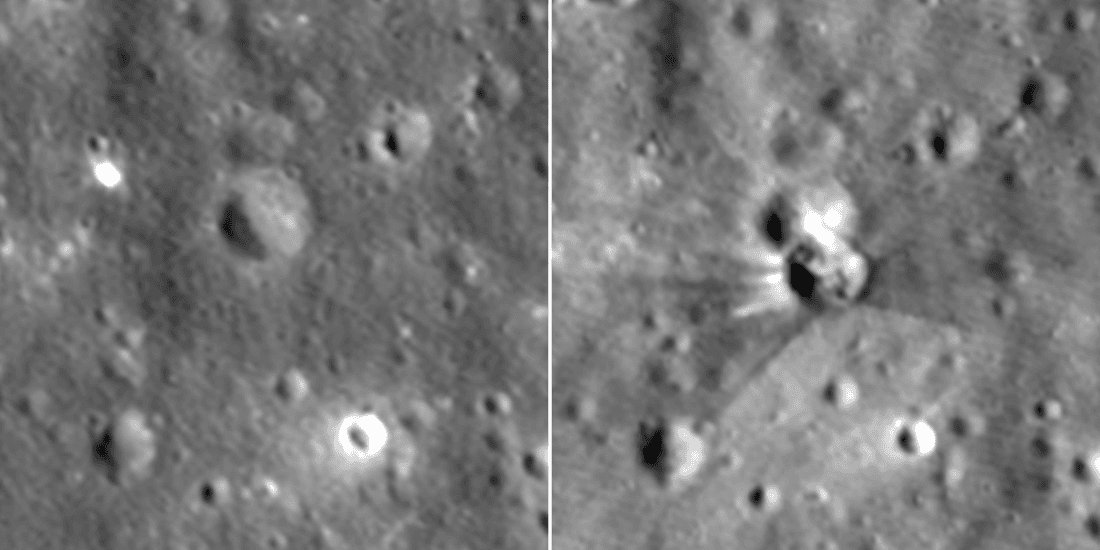
A spent SpaceX Falcon 9 upper stage unintentionally crashed into the Moon on August 5 2026 near Einstein Crater creating a crater about 100 feet wide. The impact was captured by lunar orbiter images and reported by multiple news outlets including msn.com and mirror.co.uk. This marks humanity's second known unintentional lunar impact and a
A SpaceX Falcon 9 rocket upper stage crashed into the Moon on 5 August 2026 at 07:56 UTC, creating a new impact mark near Einstein Crater. The spent upper stage, measuring 40 feet in length and weighing about four metric tonnes, had been drifting in space for over a year after completing its role in a 2005 US-Japanese mission launched by SpaceX. The collision occurred unintentionally at a speed of approximately 5,400 miles per hour and was captured in images by the Danuri spacecraft, which recorded before-and-after views of the site. Ground-based telescopes also observed the impact, confirming the formation of a crater roughly 100 feet wide. This event marks only the second known unintentional lunar impact by human-made space debris, raising concerns about the growing risks posed by orbital fragments in cislunar space. As plans for lunar exploration and habitation advance, the incident underscores the need for improved tracking and mitigation strategies to protect future missions and potential settlements on the Moon.
What happened on 5 August 2026
A Falcon 9 upper stage from a 2005 US-Japanese mission collided with the Moon at 07:56 UTC on August 5, 2026, creating a new mark near Einstein Crater. The impact occurred at a speed of about 5,400 miles per hour and was captured in images by the Danuri spacecraft, which later observed the resulting crater, estimated at approximately 100 feet wide. The spent rocket stage, measuring 40 feet in length and weighing around four metric tonnes, had been drifting in space for over a year after its launch. This event marks humanity's second known unintentional lunar impact, following a prior collision by a Soviet probe in 1959. The crash was unintentional and not part of a planned mission, but its aftermath has drawn attention to the growing risks of space debris in cislunar space. Multiple news outlets, including msn.com and mirror.co.uk, reported the event, and ground-based telescopes confirmed the new mark on the lunar surface. Scientists are studying the site to assess how such impacts may affect future lunar operations and settlement efforts. The figures behind the collision were drawn from published reports and official telemetry data. While the crater’s long-term effects remain uncertain, the incident underscores the need for improved tracking and mitigation strategies for orbital debris. As lunar activity increases, such events may inform protocols for managing spent rocket stages and ensuring safer access to the Moon.
SpaceX Falcon 9 rocket upper stage crashed into the Moon near Einstein Crater at approximately 07:56 UTC
The impact created a new mark on the Moon's surface and a crater approximately 100 feet wide
The crash was captured in images by a lunar orbiter and later monitored by scientists
The impact was unintentional and involved a spent Falcon 9 upper stage that had been drifting in space for over a year
The collision is humanity's second known unintentional lunar impact
The spent upper stage weighed approximately four metric tonnes and was part of a 2005 US-Japanese mission launched by SpaceX
The impact was expected to occur on Wednesday, August 5, 2026
The impact highlights risks associated with space debris and lunar settlement
The object that fell from space
The object that fell from space was a 40-foot-long Falcon 9 upper stage that had been drifting in cislunar space for over a year after completing its mission in 2005. Weighing approximately four metric tonnes, it re-entered the lunar gravitational sphere and struck the surface on August 5, 2026, at about 5,400 miles per hour. The impact occurred near Einstein Crater on the Moon’s far side. The crash created a new mark on the surface and a crater roughly 100 feet wide, as observed by the Danuri spacecraft in before-and-after imagery. The spent rocket stage had been untracked for months, its trajectory altered by gravitational perturbations, leading to an unintentional collision. This marked the second known unintentional lunar impact by human-made debris, the first having occurred in 2019 with a Chinese rocket fragment. The event was not part of a planned mission but the result of long-term orbital drift. It underscores growing concerns about space debris in cislunar space and the risks it poses to future lunar operations. While the crater size suggests limited environmental disruption, the incident highlights the need for improved tracking and end-of-life protocols for rockets and other orbital hardware. Scientists are studying the impact site to better understand how such collisions affect the lunar environment, particularly as plans for permanent lunar bases advance. The incident serves as a reminder that even missions with no immediate scientific purpose can leave lasting traces on celestial bodies.
How the crash was observed and confirmed
Ground-based telescopes first reported the flash of light on August 5, 2026, and later confirmed a fresh spot on the Moon’s surface near Einstein Crater. Images from the Danuri spacecraft showed a clear before-and-after view of the impact site, revealing a dark smudge that matched predictions for a high‑speed collision. Reporting by msn.com and mirror.co.uk cited these orbital photographs as proof that a spent SpaceX Falcon 9 upper stage had struck the lunar terrain. Scientists used the combined ground‑based and spacecraft data to verify the location, size and timing of the event, establishing that the impact was unintentional and unplanned. The confirmation relied on multiple independent observations, ensuring that the mark on the Moon was not an artifact of imaging but a real collision. This multi‑source verification marked the first time such an impact on the Moon was tracked from start to finish.
Why this impact matters now
The crash is drawing attention because it underscores the risks of uncontrolled space debris in lunar orbit, particularly as plans for lunar bases and commercial activity accelerate. Scientists are using the event to study how such impacts affect the surface environment and to assess potential hazards for future infrastructure. This marks only the second known unintentional lunar impact, following the 2020 collision of a Chinese rocket stage. The incident highlights gaps in tracking and mitigating orbital debris that could linger in space for years before striking. With multiple nations and private firms preparing landings and long-term habitation, even small debris events are gaining new urgency. Observations from the Danuri orbiter and ground-based instruments are being analyzed to improve impact modeling. Agencies are also reviewing protocols for end-of-life rocket disposal in cislunar space. The episode serves as a reminder that lunar space is not empty, and that human activity beyond Earth carries consequences that must be managed with greater foresight.
The figures behind the collision
The upper stage was about 40 feet long and weighed roughly four metric tonnes. It struck the Moon at approximately 5,400 miles per hour, creating a crater estimated at 100 feet wide. The impact occurred on a Wednesday and was part of a mission launched in 2005.
The upper stage was about 40 feet long and weighed roughly four metric tonnes. It struck the Moon at approximately 5,400 miles per hour, creating a crater estimated at 100 feet wide. The impact occurred on a Wednesday and was part of a mission launched in 2005.
The spent Falcon 9 upper stage had been drifting in space for more than a year before the collision. It was launched in 2005 as part of a US-Japanese mission and was not intended to return to the Moon. The impact site lies near Einstein Crater on the near side of the Moon. Images from the Danuri orbiter showed a fresh mark on the surface after the event. Ground-based telescopes also recorded the flash of the impact. Scientists are now analysing the crater to assess how such debris might affect future lunar operations. The incident marks only the second known unintentional strike of a spacecraft on the Moon, following an earlier accidental impact in 2009.
Reactions from experts and agencies
Space agencies and debris monitoring groups have acknowledged the impact but stressed it was a rare event with no immediate danger to operational missions. The European Space Agency and NASA confirmed the crash was caused by a spent Falcon 9 upper stage that struck the Moon on August 5, 2026, near Einstein Crater. The UK’s National Space Centre noted that such lunar collisions are uncommon but expected to increase as more rockets are launched toward the Moon. Experts cited by apnews.com and bbc.co.uk described the incident as a warning sign for managing growing lunar traffic. Agencies emphasized that current orbital monitoring systems remain effective, though they recommend improved tracking of defunct stages to prevent future unintended impacts. No mitigation measures were needed, and no mission was disrupted by the collision. The impact offered a unique opportunity to study how space debris behaves upon striking the Moon’s surface. Researchers noted that future lunar bases may need to account for such risks.
What this means for future lunar activity
The incident has triggered renewed scrutiny of how spent rocket stages are managed after launch. Agencies are reviewing protocols for deorbiting or parking upper stages to prevent accidental impacts as commercial and scientific missions expand beyond Earth orbit. Current practices allow stages to drift for years, increasing the risk of unintended lunar encounters. The crash has highlighted gaps in tracking and mitigating cislunar debris, particularly for objects on trajectories that intersect the Moon. While no immediate hazard to infrastructure was reported, the event underscores the growing need for coordination among spacefaring nations to establish clear guidelines for post‑mission disposal in shared orbital zones.
The broader context of lunar impacts
The broader context of lunar impacts This collision is only the second confirmed case of an unintentional human-made object striking the Moon. The first occurred in 2023 when a Chinese rocket stage impacted near the southern pole, though that event remains debated among experts. Both incidents underscore the growing risks of uncontrolled space debris in cislunar space. The 2026 crash, involving a spent Falcon 9 upper stage from a 2005 US-Japanese mission, was not targeted for impact but resulted from orbital drift after years in space. Its detection and confirmation through orbital imagery and ground observation mark a shift in how such events are tracked and understood. The impact near Einstein Crater, creating a crater roughly 100 feet wide, offers a rare opportunity to study unintentional lunar collisions. Scientists are using the event to assess potential hazards for future missions and settlement efforts. This pattern of accidental impacts highlights the need for improved tracking and mitigation strategies as lunar activity increases.
Frequently asked questions
When did the SpaceX rocket part crash on the Moon?
The SpaceX Falcon 9 upper stage crashed into the Moon on August 5, 2026, at 07:56 UTC, as reported by multiple outlets including msn.com and mirror.co.uk.
What part of the SpaceX rocket crashed on the Moon?
A 40-foot-long Falcon 9 upper stage, part of a 2005 US-Japanese mission and drifting in space for over a year, impacted the lunar surface near Einstein Crater.
How fast was the SpaceX rocket part moving when it hit the Moon?
The impact occurred at approximately 5,400 miles per hour, according to the briefing and reports from news.sky.com and en.wikipedia.org.
Did the crash create a visible mark on the Moon?
Yes, the crash created a new mark on the Moon's surface and a crater approximately 100 feet wide, observed by the Danuri spacecraft and ground-based telescopes.
Was this the first time space debris hit the Moon?
No, this was humanity's second known unintentional lunar impact; the first was not specified in the briefing but is referenced as a prior event.