Solar eclipse on 12 August 2026 to darken skies over Spain and be visible as partial event in Germany
A total solar eclipse will sweep across Spain on 12 August 2026 while Germany sees a partial eclipse, prompting travel plans and eye‑safety warnings.
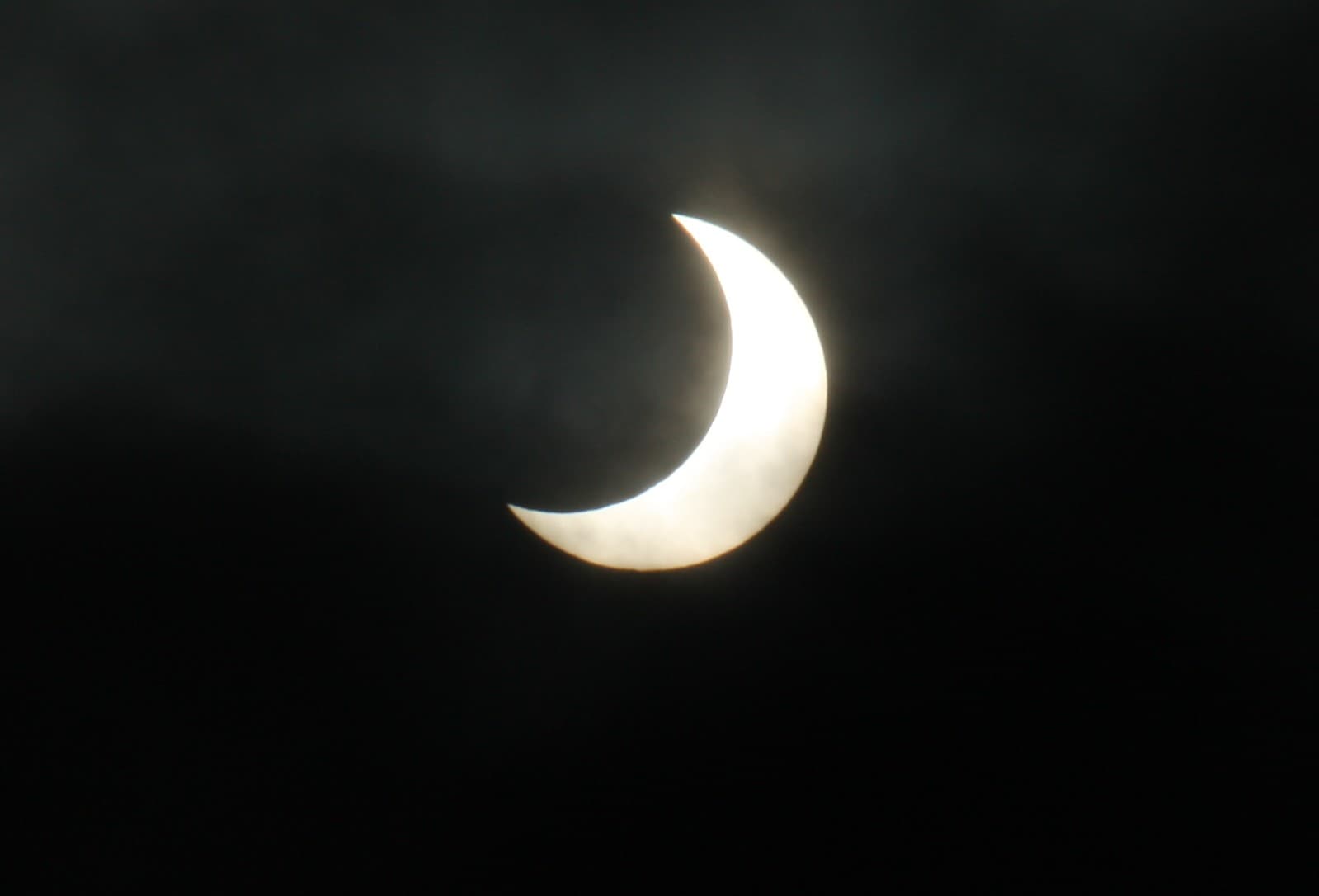
The 12 August 2026 solar eclipse will be a total event over parts of Spain while Germany sees a partial eclipse; observers must use certified eclipse glasses, and an Iberia flight will stream the event live from 10,000 metres.
On 12 August 2026 a solar eclipse will occur. It will be total over parts of Spain and a partial eclipse over Germany. The event happens at new moon when the Moon passes directly between Earth and the Sun. From most of Germany the eclipse will appear as a partial darkening of the Sun’s disc, while observers in Spain will see up to two minutes of total darkness. A live‑streamed flight from Madrid will follow the eclipse from an altitude of about 10,000 metres. The eclipse matters now because it draws attention to eye‑protection risks and to growing demand for certified viewing glasses, especially in regions such as Baden‑Württemberg where local media say conditions may be optimal. It also provides a rare opportunity for public engagement with astronomy across several European countries.
Eclipse path and visibility across Europe
The eclipse on 12 August 2026 will be total over parts of Spain, where darkness will last less than two minutes, and will appear as a partial eclipse across Germany. Visibility will be strongest in the southern states, especially Baden‑Württemberg, where the moon will cover almost 90 % of the Sun. From Bochum and much of North Rhine‑Westphalia the partial phase will be visible, though the degree of coverage will vary. Observers in southwestern Germany are urged to use certified eclipse glasses, as suitable pairs have become scarce locally. The event coincides with the Perseid meteor shower, offering additional skywatching opportunities. Totality will be restricted to specific regions of Spain, while the partial eclipse will be observable throughout the country.
A solar eclipse occurs, visible from Germany as a partial eclipse and total in some areas including Spain.
An Iberia-chartered Airbus A321XLR is scheduled to depart Madrid to follow the eclipse and stream it live from about 10,000 metres altitude.
The eclipse darkens the sky over Spain, where totality lasts less than two minutes.
From Bavaria, the moon covers almost 90 percent of the sun during the eclipse.
The partial eclipse darkens the sky over North Rhine-Westphalia.
The Perseid meteor shower is also visible around the time of the eclipse.
Iberia's live‑stream flight from Madrid
Iberia will operate a special Airbus A321XLR from Madrid on 12 August 2026. The aircraft is scheduled to depart at 18:45 local time, climb to roughly 10,000 metres and stream the solar eclipse live from above the cloud layer. The flight is intended to capture the total eclipse over Spain and relay the event in real time to viewers worldwide. Iberia describes the mission as a way to combine aviation enthusiasm with scientific outreach. Seats on the charter are limited and must be booked through the airline’s dedicated eclipse‑flight page. The service will be available only for the duration of the eclipse window.
Eye‑protection shortages and regional viewing advice
Authorities in southwestern Germany say ordinary sunglasses do not protect the eyes during the eclipse and that certified viewing glasses have become scarce. They advise observers to obtain proper solar‑filter glasses well in advance and to avoid using homemade or damaged filters. In regions where totality is not expected, residents should seek safe outdoor spots away from direct sunlight and follow local guidance on eye protection.
Authorities in southwestern Germany warn that ordinary sunglasses do not provide sufficient eye protection and that certified eclipse glasses are increasingly hard to find. The German Federal Office for Civil Protection and Meteorology urges residents to obtain proper solar‑filter glasses well in advance, as certified units are selling out quickly in local retailers. Observers are advised to avoid homemade or damaged filters and to seek safe outdoor viewing spots away from direct sunlight. In Baden‑Württemberg, eclipse enthusiasts are urged to monitor local guidance on eye protection as demand rises.
Frequently asked questions
When is the solar eclipse visible from Germany and can I see it?
The solar eclipse occurs on 12 August 2026. It is visible as a partial eclipse across Germany, including Bochum and North Rhine-Westphalia. Totality is not visible there, but the moon will cover nearly 90 percent of the sun in Bavaria. Observers should use proper eclipse glasses.
Where can I watch the eclipse in Spain and how long will it last?
In Spain, the eclipse will be total and visible from regions including Castile and León. The period of darkness will last less than two minutes. It is expected to draw many eclipse enthusiasts to the area.
Do I need special glasses to watch the eclipse safely?
Yes. Ordinary sunglasses do not provide adequate protection. Suitable eclipse or solar viewing glasses are required to watch the event safely. These have become hard to find in some parts of Germany, so obtain certified ones early.
Will the Perseid meteor shower be visible during the eclipse?
The Perseid meteor shower will also be visible around the time of the eclipse on 12 August 2026. This provides additional celestial viewing opportunities for observers in Germany and Spain.
Is there a live stream of the eclipse and how can I watch it?
Spanish airline Iberia plans to charter an Airbus A321XLR departing Madrid at 18:45 to follow the eclipse and stream it live from about 10,000 metres altitude. This flight is mentioned as a way to view the event, though booking details are not provided.