Solar eclipse sweeps Europe: searches, sightings and the grid’s calm
A total solar eclipse darkened skies across Europe on Wednesday evening, sparking a surge in eye‑related searches and a wave of community‑focused media coverage.
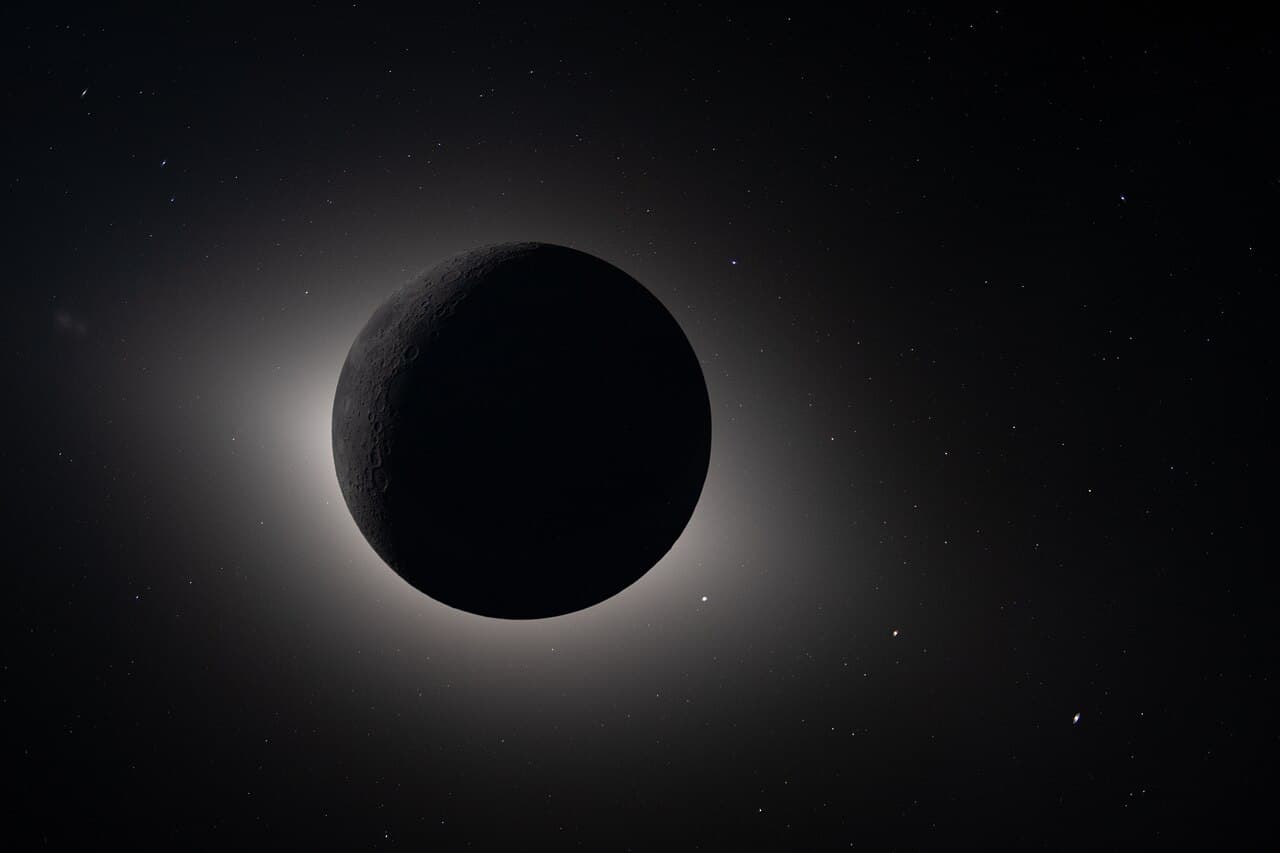
The total solar eclipse of 12 August 2026 darkened skies across Europe, prompting a sharp rise in searches for sore eyes, widespread use of eclipse glasses, and a manageable dip in solar power generation; observers reported a breathtaking communal experience while the electricity grid remained stable.
A total solar eclipse swept across parts of Europe and the North Atlantic on 12 August 2026, with its path of totality crossing Greenland, Iceland, Spain and a small area of north-eastern Portugal. The eclipse occurred when the Moon passed between Earth and the Sun, temporarily blocking the Sun’s view for observers on Earth. It was the first such event on the continent in 27 years, and millions of people across Europe prepared to watch it, with over 95 % of the solar disc obscured in Cornwall and a magnitude of 1.0386 recorded. The phenomenon matters now because it tested the continent’s grid stability, triggered a surge in “sore eyes” searches, and highlighted the need for proper eye protection, as looking at the Sun without eclipse glasses can cause blurred vision or solar retinopathy.
The eclipse’s path and timing
The total solar eclipse of 12 August 2026 traced a narrow corridor of totality across north‑central Spain, parts of Portugal, Greenland, Iceland and a sliver of north‑eastern Portugal, while much of the continent experienced a deep partial phase, with over 95 % of the solar disc obscured in Cornwall. The path of totality moved through those regions on Wednesday, 12 August 2026, following the Moon’s shadow as it swept across the North Atlantic and Iberian Peninsula. The eclipse’s magnitude reached 1.0386, meaning the Moon covered a slightly larger disc than the Sun’s apparent size at those points.
Observers in the listed countries saw the Sun’s disk completely blocked for a brief interval, while elsewhere the Moon obscured about 93.9 % of the solar disc. The event was the first total solar eclipse visible across Europe in 27 years and was expected to surpass any similar occurrence since 1999, though some locations along the corridor offered a superior view. The timing was fixed for Wednesday, 12 August 2026, with the eclipse occurring during the evening hours local to each region. The total solar eclipse of 12 August 2026 was recorded by multiple outlets, showing scenes from across Europe.
Media outlets released photographs of the solar eclipse showing scenes from across Europe.
A total solar eclipse traversed parts of Europe and the North Atlantic, with its path of totality crossing Greenland, Iceland, Spain, and a small area of north‑eastern Portugal.
A total solar eclipse occurred when the Moon passed between Earth and the Sun, briefly blocking the Sun for observers on Earth.
The total solar eclipse is scheduled to take place on Wednesday, 12 August.
Public response and eye‑health concerns
Google recorded a sharp rise in searches for “sore eyes” after the eclipse, reflecting widespread concern among viewers who looked at the Sun without proper protection. Retail outlets reported rapid depletion of eclipse‑viewing glasses as millions prepared to watch, prompting warnings from health officials about the risk of solar retinopathy. Dhara Patel, a space expert at the National Space Centre, noted that some observers experienced strong emotions during the event, but emphasized that direct viewing without certified glasses can cause blurred vision and permanent eye damage. According to the National Space Centre, eye‑health warnings were issued across Europe, urging the public to use only approved solar filters. Media coverage highlighted the need for vigilance, as the surge in searches indicated that many people were unprepared for the hazards of eclipse watching. While the grid remained stable, the incident underscored the importance of protective equipment and informed viewing practices. Experts advise anyone who inadvertently damaged their eyes to seek medical attention promptly, as solar retinopathy can lead to lasting visual impairment if left untreated.
Media coverage and visual documentation
Media coverage and visual documentation News outlets across Europe published photographs of the eclipse, ranging from sweeping shots of the darkened sky over Spain to images of handmade viewers in use, reinforcing a shared visual experience that resonated with readers. Theguardian.com featured a series of images that showed the Moon’s silhouette edging out the Sun over the Canary Islands, while bbc.co.uk presented a gallery of the event as it unfolded above the North Atlantic, including a still of the total phase over Iceland’s rugged coastline. Independent.co.uk highlighted a photograph of a makeshift solar filter crafted from a cardboard box and aluminized Mylar, held up by a family in Cornwall, illustrating the DIY preparations that accompanied the celestial event. Across the continent, en.wikipedia.org compiled a timeline of the eclipse’s path, linking to photographs taken in Spain’s central region where the totality lasted just over two minutes. The visual narrative also extended to Lithuania, where a local astronomer captured the eclipse from a hilltop in Galicia, though the source notes the attribution is of low confidence. Additional coverage from eldiario.es and 24ur.com included close‑up shots of the corona spilling around the Moon’s edge, as well as crowds gathered on rooftops in Madrid, their faces illuminated by the brief twilight. These images, alongside snapshots of eclipse‑glass boxes sold out in high‑street stores, underscored both the scientific rarity and the communal anticipation that defined the day.
Scientific context and eclipse mechanics
A total solar eclipse occurs when the Moon passes directly between Earth and the Sun, aligning the three bodies so that the Moon’s apparent diameter exceeds that of the Sun. The 2026 event had an eclipse magnitude of 1.0386, meaning the Moon’s apparent size was 3.86% larger than the Sun’s, and it obscured more than 95 % of the solar disc in Cornwall. This was the first continent‑wide total eclipse in Europe since 1999, a 27‑year interval.
The mechanics are straightforward: during eclipse season the Moon’s orbit intersects the ecliptic plane, and when a new Moon occurs near one of its nodes, a solar eclipse can happen. If the alignment is perfect, the Moon completely covers the Sun’s bright photosphere, revealing only the faint corona. The brief period of totality is visible only from the narrow corridor of totality, which in 2026 crossed Greenland, Iceland, northern Spain and a small part of north‑eastern Portugal. Outside that corridor a much larger fraction of the Sun was partially obscured, producing a deep partial eclipse across much of Europe.
The magnitude of 1.0386 indicates a near‑total coverage, and the over‑95 % obscuration in Cornwall made it one of the most dramatic terrestrial views of the century. Such alignments recur roughly twice a year, but a total eclipse visible from a given location may be separated by centuries.
The event was recorded by numerous outlets, with photographs showing the eclipse over Europe and even a Lithuanian astronomer’s image taken in Spain. These visual records illustrate both the astronomical precision and the cultural resonance of the eclipse, setting the stage for the public response and energy‑system analysis that follow.
Community reaction and cultural moments
Readers across Europe described a shared sense of awe as the total solar eclipse darkened skies on Wednesday evening. In Swansea, a local resident reported that Bonnie Tyler’s “Total Eclipse of the Heart” played over the town of Mumbles, adding a surreal soundtrack to the celestial event. Accounts from several countries noted strange animal behaviour, with some observers saying pets and livestock reacted unusually to the sudden twilight. The phenomenon sparked conversations on social media, where users shared photographs of the darkened sun and the corona’s delicate halo. Many highlighted the rarity of a continent‑wide total eclipse, noting that it was the first such occurrence in 27 years and the most widely observed since the turn of the century. Community groups organized viewing parties in public parks, encouraging safe practices and the use of certified eclipse glasses. The collective experience fostered a feeling of unity, with strangers exchanging eye‑protection tips and celebrating the moment together. Such cultural moments underscored how a natural event can bridge geographic and linguistic divides, turning a fleeting astronomical alignment into a shared human story. The eclipse’s visual impact lingered in memories, prompting reflections on the fragility of the planet and the wonder of cosmic mechanics. As the lights returned, participants expressed gratitude for having witnessed a rare spectacle that united science, art and everyday life in a single, unforgettable night.
Energy system implications
The early drop‑off in solar generation was managed without grid disturbance, as forecast by the National Energy System Operator, confirming that the eclipse did not threaten electricity supply stability. The operator had anticipated a brief reduction in solar output across regions where the Sun was most obscured, and the shortfall was absorbed by conventional generation and storage without causing any flicker or frequency deviation. Because the reduction was modest and predictable, system operators could schedule reserve capacity accordingly, avoiding the need for emergency measures. The calm response underscores the growing resilience of European power systems that now integrate large shares of variable renewable energy while retaining sufficient flexibility to handle predictable events such as eclipses. The episode also reinforced confidence that future celestial phenomena, even when they temporarily diminish solar input, will not compromise the reliability of the continent’s electricity network.
The path of totality traced a narrow corridor across north‑central Spain, parts of Portugal, Greenland and Iceland, with a partial coverage extending across much of Europe. The eclipse began on Wednesday, 12 August 2026, reaching its maximum in Cornwall where more than 95 % of the solar disc was obscured, a figure recorded at magnitude 1.0386. Spain had not experienced a total solar eclipse for 114 years, making the event a rare spectacle for millions of observers.
Public response was marked by widespread eye‑health warnings; ophthalmic experts stressed that viewing the Sun without certified eclipse glasses can cause irreversible retinal damage, known as solar retinopathy. Millions of people across the continent prepared by purchasing protective eyewear, a demand that led to rapid depletion of stocks at major retailers.
Media outlets published numerous photographs from 12 August showing the eclipse over landmarks in Spain, Portugal, Iceland and Greenland, as well as scenes from Cornwall and other regions. The images captured both the astronomical phenomenon and the human response, reinforcing a shared sense of community among viewers.
Scientifically, a total solar eclipse occurs when the Moon moves directly between Earth and the Sun, aligning the three bodies so that the Moon fully obscures the solar disk. Such alignments happen roughly twice a year during eclipse seasons, when the Moon’s orbit intersects the ecliptic plane. The 2026 event was the first total eclipse visible over Europe since 1999, and its magnitude and duration varied by location, with some sites experiencing the longest period of totality.
Observers described a profound emotional reaction, often characterized by awe and a feeling of collective witnessing. In some locales, unusual animal behavior was reported, though such accounts remain anecdotal.
Looking ahead, the next comparable total solar eclipse over Europe is not expected until later in the century, prompting enthusiasts to plan for future opportunities while recognizing that the current event marks a historic high point for continental skywatching.
Looking ahead to the next eclipse
The next total solar eclipse that will be visible from Europe will not occur until the end of the century, making the 2026 event a once‑in‑a‑lifetime chance for the continent. Astronomers say that such a rare alignment is unlikely to repeat for another 80 to 100 years, so the August 12, 2026 eclipse will remain the benchmark for future generations.
Experts warn that the long gap will leave many people unprepared for the logistical and safety challenges of watching an eclipse. They suggest that schools, libraries and community groups use the 2026 spectacle to launch programs on proper eye protection, safe viewing techniques and the science behind eclipses. By embedding these lessons now, organizers hope to build a culture of preparedness that will pay dividends when the next event finally arrives.
Public interest is already high, with search trends for “sore eyes” spiking after the recent eclipse and retailers reporting rapid sell‑outs of certified viewing glasses. The coming years could see a surge in eclipse‑related education, from citizen‑science projects that track the Moon’s shadow to classroom lessons that illustrate orbital mechanics.
Because the next comparable total eclipse will not return until after 2100, the 2026 event may also inspire new infrastructure for eclipse watching, such as designated viewing sites and public‑access safety kits. In this way, the rare celestial show could do more than delight observers; it could reshape how Europe prepares for the next time the Sun is briefly eclipsed.
Frequently asked questions
What happened during the August 12 2026 solar eclipse?
A total solar eclipse swept across parts of Europe and the North Atlantic on 12 August 2026. The path of totality crossed Greenland Iceland Spain and a small area of north eastern Portugal. Millions watched as the Moon blocked the Sun.
Why did searches for sore eyes increase after the eclipse?
Google searches for sore eyes rose dramatically after the eclipse. Many people looked at the Sun without proper glasses and later reported eye discomfort.
Did the eclipse affect the electricity grid?
The eclipse did not cause the electricity grid to flicker. The early drop off in solar generation was manageable as predicted by the National Energy System Operator.
Which regions saw a total eclipse?
A total solar eclipse was visible in north and central Spain parts of Portugal Greenland Iceland and a small section of north eastern Portugal. Over 95 percent of the solar disc was obscured in Cornwall.
What risks are there from viewing the eclipse?
Looking at the Sun without eclipse glasses can cause blurred vision and solar retinopathy. Millions prepared by buying protective glasses which sold out rapidly.