Trump Orders Pentagon to Scale Back Joint Military Drills With South Korea
President Donald Trump has directed the Pentagon to substantially reduce upcoming U.S.-South Korea military exercises, citing strained relations and high costs.
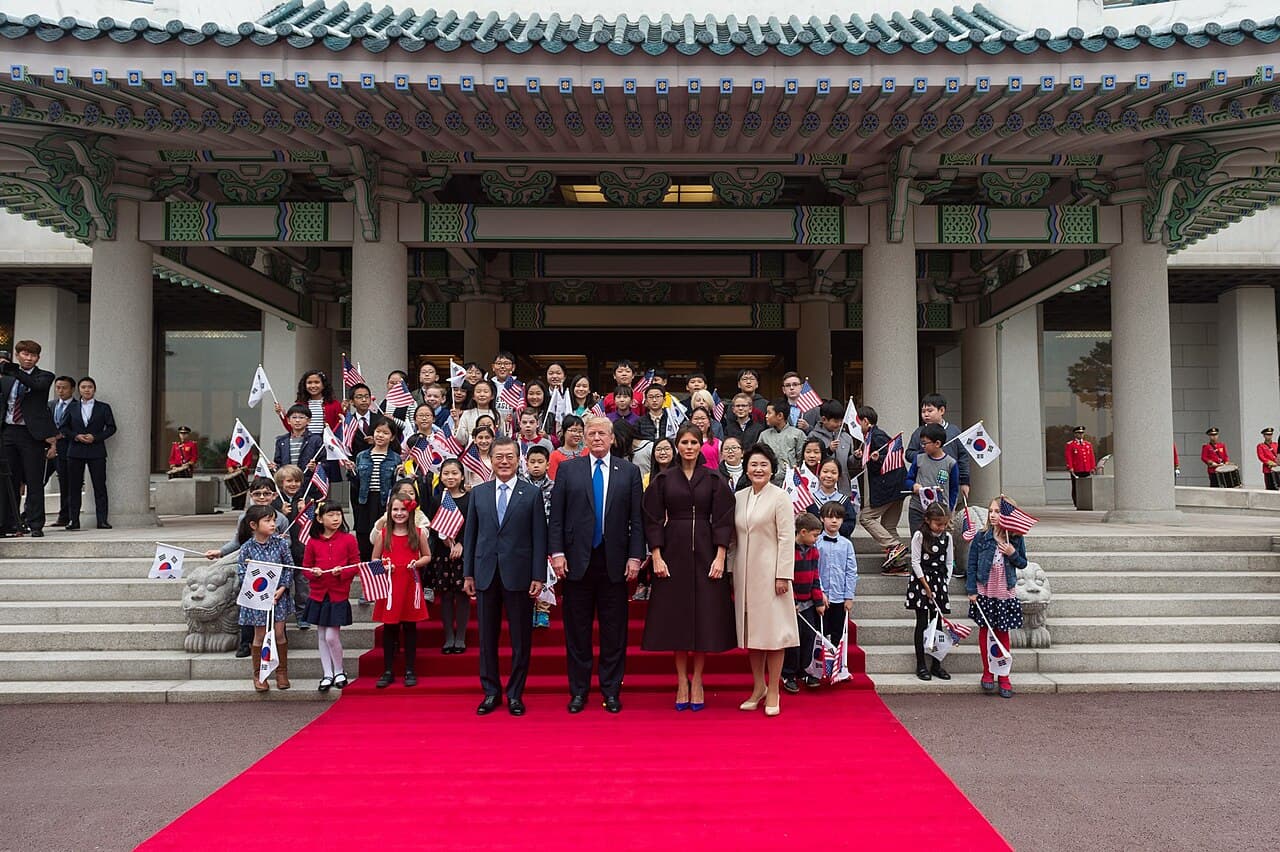
President Donald Trump has directed the Pentagon to substantially reduce upcoming U.S.-South Korea joint military exercises, citing his strained relationship with South Korea and high costs, while noting the move aligns with his first-term approach and 2026 National Defense strategy, and referencing his positive ties with North Korean Kim
Trump ordered the Pentagon to scale back joint military drills with South Korea. The directive reflects the president’s view that the exercises are costly and unnecessary, and that South Korea should bear a larger share of defense spending. It also follows his long‑standing criticism of U.S. military presence abroad and his desire to reshape alliances in line with his first‑term policies. The move matters because it signals a shift in U.S. force posture toward the Korean peninsula, potentially weakening deterrence against North Korea while testing the durability of the U.S.-South Korea security partnership at a time of rising regional tension. The reduction was justified by Trump’s positive relationship with North Korean leader Kim Jong Un and Seoul’s refusal to assist with denuclearizing Iran. The Pentagon was directed to substantially reduce upcoming U.S.-South Korea military drills. President Donald Trump instructed Secretary of War Pete Hegseth to substantially reduce joint military exercises between the United States and South Korea. Trump said he is not happy with U.S. participation in joint military exercises with South Korea and is scaling back the drills. The directive aligns with first‑term presidential actions and the 2026 National Defense strategy. The scaling back of drills is cited as a response to South Korea’s refusal to aid the U.S. war effort in Iran. Trump described the exercises as “inappropriate” and “totally inappropriate and hostile” toward North Korea. Trump wrote on Truth Social that he is not happy with the U.S. long‑term involvement in joint exercises with South Korea.
Trump Orders Pentagon to Scale Back Joint Military Exercises With South Korea
President Donald Trump has instructed Secretary of War Pete Hegseth to substantially reduce joint military exercises between the United States and South Korea. The directive aligns with first‑term presidential actions and the 2026 National Defense strategy. Trump described the exercises as “inappropriate” and “totally inappropriate and hostile” toward North Korea. He cited his positive personal relationship with North Korean leader Kim Jong Un and Seoul’s refusal to assist with denuclearizing Iran as justification. According to reports, he is not happy with the long‑term U.S. involvement in such drills and has moved to scale them back. The order was conveyed through a Truth Social post, emphasizing that the exercises are costly and unnecessary. This step reflects a broader shift in Trump’s approach to alliances and defense spending.
Reasoning Behind the Reduction
The reduction was justified by Trump’s positive relationship with North Korean leader Kim Jong Un and Seoul’s refusal to assist with denuclearizing Iran. Trump said he is not happy with U.S. participation in joint military exercises with South Korea and is scaling back the drills. He wrote on Truth Social that he is not happy with the U.S. long‑term involvement in joint exercises with South Korea. According to reports, he cited high costs and the need to focus on relations with North Korea as reasons for the cut. The Pentagon was directed to substantially reduce upcoming U.S.-South Korea military drills, a move that aligns with first‑term presidential actions and the 2026 National Defense strategy. This step reflects Trump’s view that the exercises are costly and unnecessary, and that South Korea’s lack of support for Iran’s denuclearization effort further warrants a reduction.
Implications for U.S.-South Korea Defense Ties
The scaling back of drills reflects a shift in U.S. defense priorities and raises questions about the future of the U.S.-South Korea alliance. The directive aligns with broader efforts to reassess military engagements in light of cost concerns and strategic recalibration. By linking the move to President Trump’s positive relationship with North Korean leader Kim Jong Un and citing Seoul’s refusal to assist with denuclearizing Iran, the decision signals a departure from longstanding partnership norms. This recalibration may prompt Seoul to pursue greater strategic autonomy while testing Washington’s commitment to mutual security guarantees. The Pentagon’s directive, conveyed through Defense Secretary Pete Hegseth, underscores a transactional approach to alliance management, potentially reshaping defense spending and operational coordination in the region. These developments highlight a pivotal moment for U.S.-South Korea defense ties, with implications for regional stability and U.S. global military posture.
Context and Broader Strategic Shifts
The directive mirrors actions taken during Trump’s first term and reflects elements of the 2026 National Defense strategy, which prioritizes cost efficiency and a more focused military posture. The Pentagon has been instructed to substantially reduce upcoming U.S.-South Korea joint drills, though the specific exercises affected have not been disclosed. The move follows public criticism of the exercises as “inappropriate” and “totally inappropriate and hostile” toward North Korea, and is tied to Trump’s strained view of Seoul’s contribution to shared defense goals. It also reflects his broader skepticism of long-standing multilateral military commitments, particularly when allied nations are perceived to underwrite costs or fail to align with U.S. strategic priorities. The decision underscores a recalibration of alliance management, using reduced training as leverage to advance diplomatic and fiscal objectives. According to reports, the scaling back is framed as a response to South Korea’s refusal to assist with denuclearizing Iran.
Frequently asked questions
What did Trump say about US military drills with South Korea?
He called them inappropriate and said participation is not appropriate or hostile toward North Korea. He said he is not happy with the US long-term involvement and is scaling back the drills.
Why is Trump scaling back joint exercises with South Korea?
He cited his positive relationship with North Korean leader Kim Jong Un and Seoul’s refusal to assist with denuclearizing Iran. He also said the exercises are costly and inappropriate.
Who ordered the reduction in military drills?
President Donald Trump ordered the Pentagon to scale back joint military exercises with South Korea and directed Secretary of War Pete Hegseth to substantially reduce them.
How are the scaled back drills described in the directive?
The directive calls for substantially reducing upcoming U.S.-South Korea military drills and aligns with first-term presidential actions and the 2026 National Defense strategy.
What justification did Trump give for reducing the exercises?
He said the reduction is justified by his positive relationship with Kim Jong Un and South Korea’s refusal to help denuclearize Iran, and he described the drills as inappropriate and hostile.