Tyson Foods to close Illinois beef plant amid industry-wide restructuring
Tyson Foods announced the closure of its Joslin, Illinois beef-processing plant, eliminating over 2,000 jobs as part of a broader industry contraction driven by a historic cattle shortage.
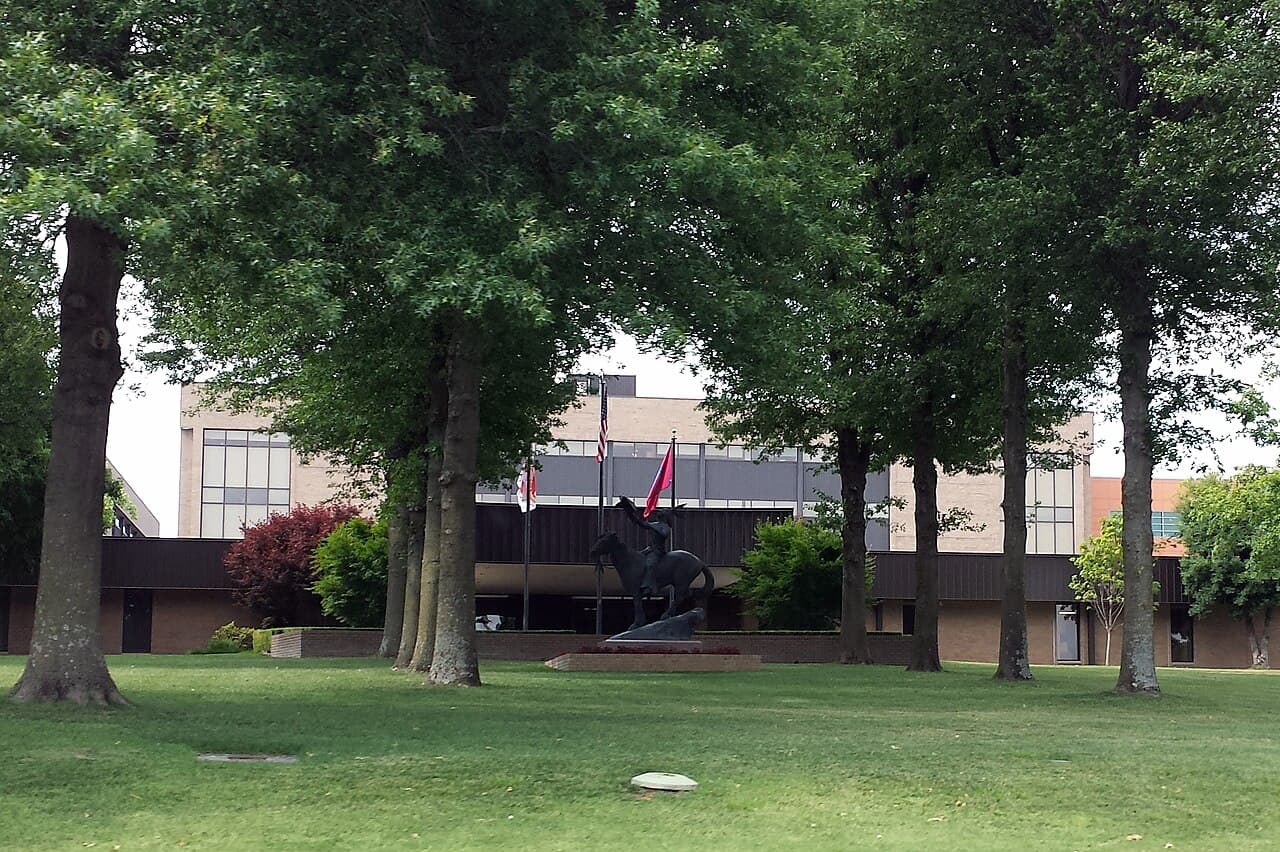
Tyson Foods is closing its Joslin, Illinois beef-processing plant, eliminating more than 2,000 jobs as part of a broader industry contraction driven by a historic cattle shortage. The closure is part of Tyson's plan to shut two plants and sell a third, with the Joslin shutdown announced on August 13 and affecting nearly one-third of jobs.
Tyson Foods is closing its beef-processing plant in Joslin, Illinois, eliminating more than 2,000 jobs. The company confirmed the shutdown on August 13 as part of a restructuring of its beef operations amid a historic shortage of cattle. The plant, located in a small town that relies heavily on Tyson for employment, will cease operations immediately, with workers told Thursday was their final day. The closures matter now because they reflect a rare contraction in an industry that usually expands during protein shortages, and they threaten to displace nearly a third of Lexington, Nebraska’s population from their jobs. Tyson’s move signals a strategic shift in how the nation’s largest meat processor is responding to tightening supplies and changing market conditions.
Tyson Foods confirms closure of Illinois beef plant
Tyson Foods confirmed on August 13 that it will close its beef-processing facility in Joslin, Illinois, a site employing more than 2,000 workers. The announcement came as part of a strategic restructuring of the company’s beef operations, which includes the closure of two plants and the sale of a third. Employees were informed on Thursday that their jobs would end immediately, marking the finality of the closure. The decision follows a historic cattle shortage that has left domestic supplies at their lowest level in 75 years, forcing the industry to reduce capacity. Executives say the moves are intended to streamline operations and improve long-term competitiveness. Local officials in Lexington, Nebraska, estimate that the plant’s shutdown will affect nearly a third of the town’s population. Tyson Foods says it will work with affected workers to provide transition assistance. The company has not disclosed details about the other facilities slated for closure or sale.
Industry-wide contraction amid cattle shortage
Tyson Foods is closing its beef-processing plant in Joslin, Illinois, which employs more than 2,000 people. The plant was informed that Thursday was its last day of work. This follows an August 13 announcement that the company would close two beef plants and sell a third as part of restructuring its beef operations. The closures reflect a broader industry-wide contraction amid a historic cattle shortage, with domestic supplies at their lowest level in 75 years. The Joslin plant closure will result in nearly a third of Lexington, Nebraska's population losing jobs, according to local officials. Tyson Foods is an American multinational corporation that is the largest meat company in the United States and processes beef, chicken, and pork. The company is making strategic changes to its beef operations to position the company for long-term success.
Joslin plant closure impacts Lexington, Nebraska
Local officials in Lexington, Nebraska say the closure of Tyson Foods’ beef-processing plant in Joslin, Illinois, will eliminate jobs for nearly a third of the town’s residents. The plant had been a central source of employment in a community already facing economic strain, and its shutdown threatens to deepen demographic decline and fiscal instability. The loss reverberates far beyond the factory floor, affecting schools, local businesses and long‑term housing demand. For a town of just over 7,000 people, the ripple effect could reshape the social fabric and limit future growth prospects. Community leaders warn that without a swift replacement, the region may struggle to attract new investment or retain younger families.
Broader restructuring and sale of additional facilities
Tyson Foods has said it will close beef-processing plants in Illinois and Utah while seeking to sell a Washington facility. The moves are presented as part of a broader effort to streamline the company’s beef operations and adapt to a tightening supply of cattle. The company announced the restructuring on August 13, framing the changes as necessary to ensure long-term sustainability. The closures come as U.S. meatpackers confront the lowest domestic cattle inventories in 75 years, pressuring margins and prompting a reevaluation of capacity. Tyson Foods, the largest U.S. meat processor, employs more than 2,000 workers at the Joslin, Illinois plant, which will cease operations immediately. Local officials say the shutdown could eliminate nearly a third of jobs in Lexington, Nebraska, underscoring the regional impact of the industry-wide contraction.
Reactions and next steps
Labor representatives and local officials voiced alarm at the abrupt loss of nearly a third of Lexington’s workforce, pressing state and federal agencies to expedite aid for displaced employees. The company offered no timetable for shuttering the other plants or specifics on severance and transition programs, leaving workers and communities awaiting concrete support. Officials emphasized the need for rapid retraining initiatives and unemployment assistance as the closures ripple through the region. Tyson Foods declined to detail severance terms or rehiring plans, heightening uncertainty for the affected labor pool. State labor departments are reviewing emergency protocols to address the sudden influx of jobless claims. Meanwhile, industry analysts warn that the scale of the cuts could accelerate consolidation across the meatpacking sector. The company’s silence on transition support heightens anxiety among employees and local leaders. No timeline exists for closing the additional facilities, deepening community apprehension. Federal assistance programs may be activated to mitigate the workforce disruption. Local officials pledge to advocate fiercely for immediate relief measures. The restructuring underscores mounting pressure on meat processors amid shrinking cattle supplies. Workers face an uncertain future with limited corporate guidance. Community leaders demand swift governmental intervention to stem economic fallout. The closures mark a pivotal moment for regional economic stability.
Frequently asked questions
Why is Tyson Foods closing the plant in Joslin, Illinois?
Tyson Foods is closing the plant in Joslin, Illinois as part of a broader restructuring of its beef operations. The company announced the closure on August 13 as part of a plan to restructure its beef processing footprint amid industry challenges.
How many people work at the Tyson Foods plant in Joslin, Illinois?
More than 2,000 people are employed at the Tyson Foods beef-processing plant in Joslin, Illinois. Employees were told on Thursday that it would be their last day of work.
When will the Tyson Foods plant in Joslin, Illinois close?
The plant in Joslin, Illinois is closing immediately, with employees informed on Thursday that it is their last day of work. The closure is part of Tyson Foods' announced restructuring of its beef operations.
How many beef plants is Tyson Foods closing in total?
Tyson Foods announced it would close two beef plants and sell a third as part of restructuring its beef operations. The closures are part of a broader reduction in beef capacity.
What impact will the Joslin plant closure have on jobs in the area?
The closure of the Joslin, Illinois plant will result in nearly a third of Lexington, Nebraska's population losing jobs, according to local officials. The plant employs more than 2,000 people.