Record-breaking bighead carp catch highlights invasive species concerns in Oklahoma
An angler's 118-pound catch underscores the spread of invasive carp in U.S. waterways, prompting renewed focus on ecological impacts and control efforts.
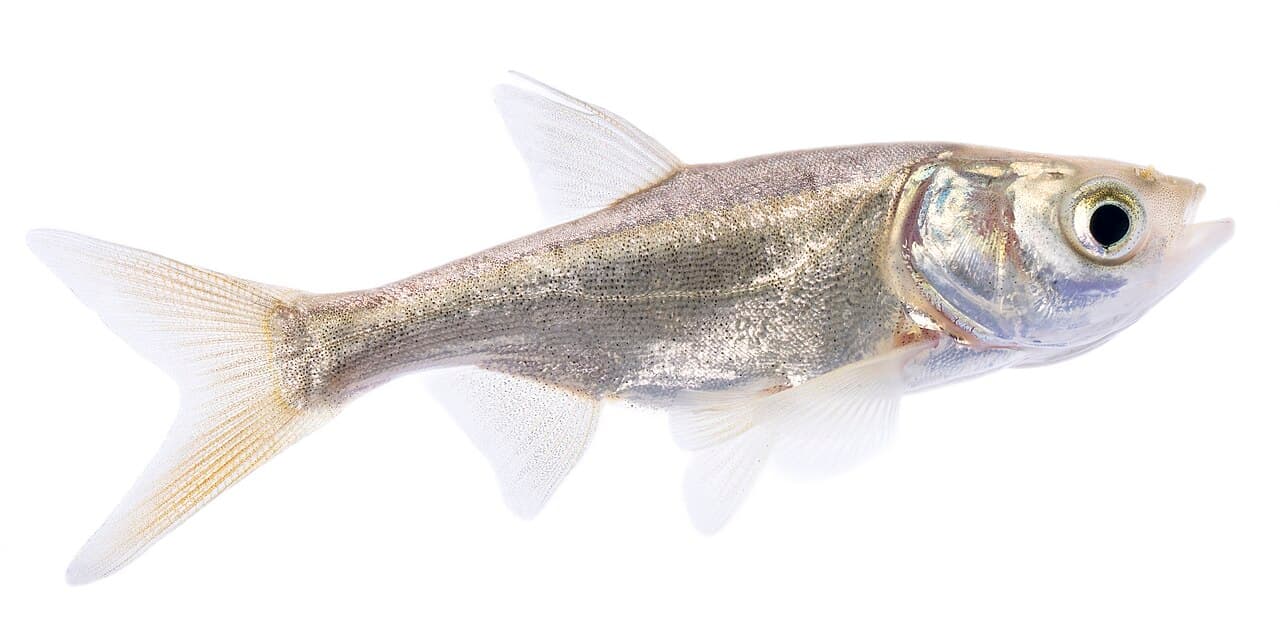
An angler in Oklahoma recently caught a bighead carp weighing 118 pounds, setting a new state record and drawing attention to the spread of invasive carp in U.S. waterways. The fish, native to East Asia, was introduced in the 1970s to control weeds but has since escaped into the Mississippi River system, threatening native species. Recent
A bighead carp weighing 118 pounds was caught by an angler on the Illinois River, setting a new state record in Oklahoma. Bighead carp are one of several invasive carp species introduced to the U.S. in the 1970s to manage aquatic vegetation, but they escaped containment and now dominate parts of the Mississippi River system, where they outcompete native fish. Missouri officials have documented a recent warm-water die-off affecting invasive carp, including bighead carp, suggesting the die-off could ease pressure on native ecosystems and reduce risks for river users. The record catch underscores how widespread invasive carp have become in U.S. waterways, while the Missouri die-off and political disputes over Great Lakes protections highlight growing attention to their ecological and economic threat.
Record catch reveals scale of invasive carp presence
An angler in Oklahoma caught a 118-pound bighead carp, breaking the state's record and underscoring the species' expanding reach. The Oklahoma Department of Wildlife Conservation verified the catch, noting it reflects the continued presence of invasive carp in U.S. river systems. Bighead carp, native to East Asia, were among four carp species introduced to the U.S. in the 1970s to manage weeds, according to reports. Some of those introductions occurred in the Mississippi River basin, where the fish later escaped through flooding and accidental releases. The record catch illustrates how invasive carp populations have grown and spread across watersheds. Missouri officials recently reported a warm-water die-off affecting invasive carp, including bighead, which could benefit native species and river users. This event may signal shifting conditions in parts of the river system. The catch also renews attention on the ecological risks posed by invasive carp and the need for sustained management efforts across state lines.
Missouri reports die-off as potential ecological turning point
Missouri officials have documented a warm-water die-off affecting invasive carp, including bighead carp, which may reduce their numbers and ease pressure on native species. State biologists suggest the event could temporarily benefit river ecosystems, though the cause remains under investigation. This development comes amid broader efforts to manage invasive carp populations across the Mississippi River system. The die-off was observed in Missouri’s warm-water habitats, where rising water temperatures have historically triggered stress-related mortality in invasive carp. While initial reports link the phenomenon to environmental conditions, scientists caution that more data is needed to confirm ecological benefits. The die-off coincides with ongoing initiatives to control invasive carp, including targeted removal efforts and public awareness campaigns. State wildlife agencies are monitoring the situation closely, noting that reduced carp densities could allow native fish populations to rebound. However, officials stress that a single event does not signal long-term recovery. Instead, they emphasize the need for sustained management strategies to address the established presence of invasive carp. This moment highlights both the vulnerability and resilience of river ecosystems facing invasive species pressures.
Great Lakes protections face political setback
Illinois Governor JB Pritzker criticised the Trump administration’s decision to halt a project intended to block invasive carp from entering the Great Lakes, calling the move a setback for regional water security. The project, part of sustained efforts by multiple states to curb the species’ advance, had drawn attention from officials concerned about ecological and economic damage. The bighead carp, native to East Asia, was among the four carp species introduced in the 1970s to manage weeds in the United States. Since then, it has spread through the Mississippi River system, where it competes with native fish and threatens biodiversity.
Frequently asked questions
What is the biggest bighead carp ever caught in Oklahoma?
The Oklahoma Department of Wildlife Conservation confirms an angler caught a bighead carp weighing 118 pounds, which broke the state record for that species.
Why are bighead carp a concern in the Mississippi River system?
Bighead carp are an invasive carp species that have spread throughout the Mississippi River system and threaten native fish, according to established facts.
Did Missouri report a die-off affecting bighead carp?
Missouri officials have reported a recent warm-water die-off killing invasive carp, including bighead carp, which may benefit native species and river users.
When were bighead carp introduced to the U.S.?
The U.S. introduced bighead carp in the 1970s along with three other carp species from China to control weeds, as noted in the briefing.
Are bighead carp native to the U.S.?
No, bighead carp are native to East Asia, according to the briefing, and were introduced to the U.S. in the 1970s.