Virgin Trains wins approval for up to 20 daily Channel Tunnel services from 2030
Virgin Trains has been granted permission to run up to 20 daily return services through the Channel Tunnel from 2030, challenging Eurostar’s dominance on key European routes.
Virgin Trains has been granted permission by the UK rail regulator, the Office of Rail and Road, to operate up to 20 daily return services through the Channel Tunnel from 2030, connecting London with Paris, Brussels and Amsterdam and challenging Eurostar’s dominance on key European routes.
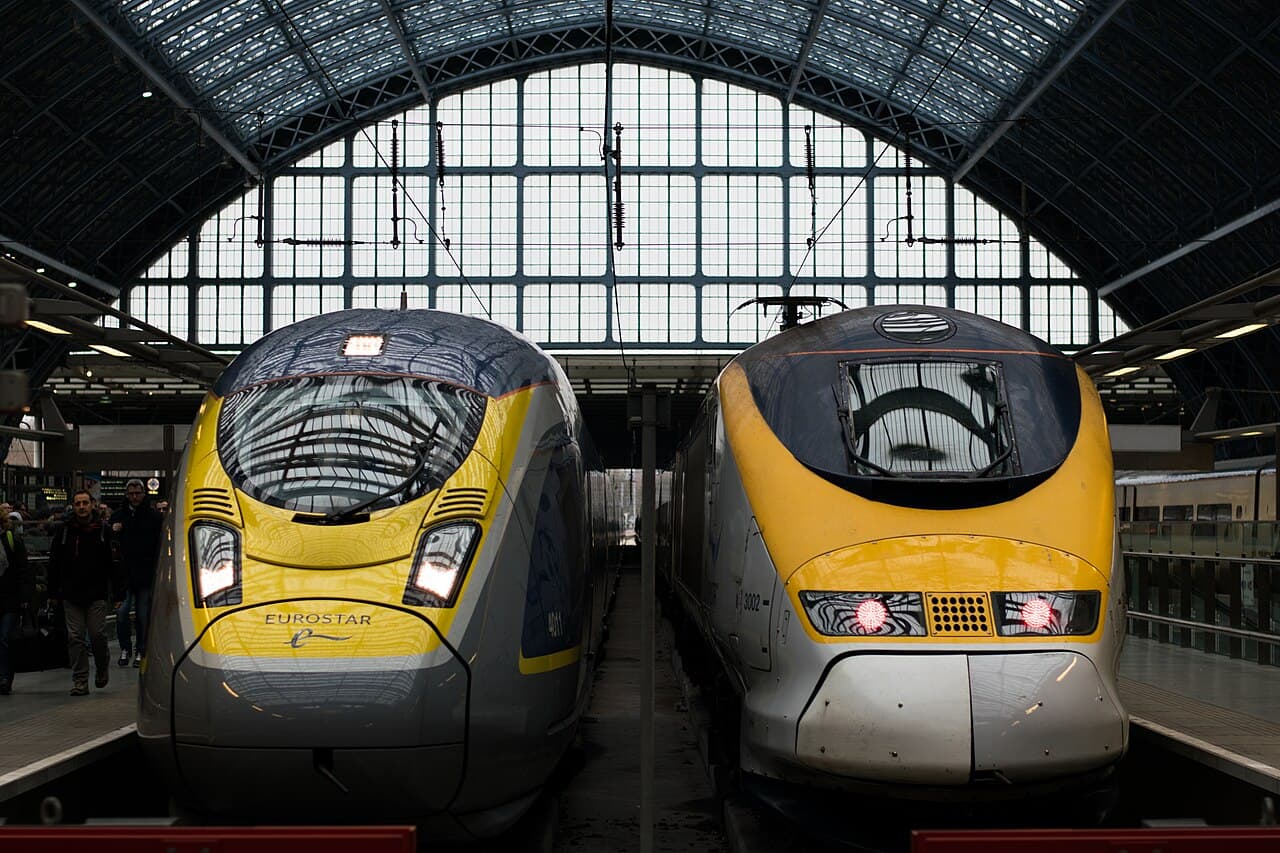
Virgin Trains has been granted approval to operate up to 20 daily return services through the Channel Tunnel from 2030, connecting London with Paris, Brussels, and Amsterdam. The approval was awarded by the UK rail regulator, the Office of Rail and Road, which dismissed objections raised by Eurostar. Eurostar operates high‑speed services between Belgium, France, Germany, the Netherlands, and the United Kingdom via the Channel Tunnel using Eurostar e320 trains. Virgin Trains must still secure additional approval to run on foreign rail networks. This development matters because it expands high‑speed cross‑Channel travel beyond the current Eurostar monopoly and introduces competition into a market that has been dominated by a single operator for more than a decade. The move could reshape passenger expectations, alter pricing dynamics, and influence future infrastructure investment in the Channel Tunnel corridor.
Virgin Trains secures Channel Tunnel operating approval
Virgin Trains has been approved by the UK rail regulator, the Office of Rail and Road (ORR), to operate up to 20 daily return services through the Channel Tunnel from 2030, connecting London with Paris, Brussels and Amsterdam. The regulator dismissed objections raised by Eurostar, clearing the way for the new cross‑Channel high‑speed services. Virgin Trains must still secure separate approval to run on overseas rail networks before the timetable can be implemented. The decision marks a notable shift in the competitive dynamics of international rail travel between Britain and continental Europe. It also paves the way for potential new routes, including a planned London to Antwerp service slated for December 2026. If successful, the expansion could increase capacity on key corridors and reshape passenger expectations for speed and convenience. The move may also prompt further investment in rail infrastructure across the region.
Eurostar’s market position and existing services
Eurostar has run high‑speed services between the United Kingdom and mainland Europe since November 2015, using the British Rail Class 374 (Eurostar e320) electric multiple units. Its current schedule features a London‑Paris journey of 2 hours 16 minutes, and a new London St Pancras to Antwerp route is slated to open on 14 December 2026. The operator also plans a direct London‑Antwerp service ahead of the Christmas market, aiming to cut travel time. According to reports, Eurostar will later introduce a “hidden gem” destination with reduced journey times. The company’s network links Belgium, France, Germany, the Netherlands and the United Kingdom through the Channel Tunnel.
Virgin Trains’ expansion plans and regulatory hurdles
Virgin Trains has secured permission to run up to 20 daily return services through the Channel Tunnel from 2030, linking London with Paris, Brussels and Amsterdam. The approval, issued by the UK rail regulator the Office of Rail and Road, overrode objections from Eurostar but does not grant permission to operate on foreign rail networks beyond the tunnel. To run services on French, Belgian and Dutch tracks, Virgin Trains must obtain separate authorisations and demonstrate compliance with technical and safety standards. The company has not yet disclosed specific routes beyond the three core destinations, and must still address the regulatory requirements for cross‑border operation. Additional approvals will therefore be necessary before any overseas services can commence.
Competition from new entrants
Virgin Trains has been granted approval to run up to 20 daily return services through the Channel Tunnel from 2030, linking London with Paris, Brussels and Amsterdam. The regulator, the Office of Rail and Road, rejected Eurostar’s objections and cleared the plan. Gemini has said it will launch a direct London‑Cologne service by 2030, cutting travel time by as much as two hours. The proposal reflects increasing interest in expanding high‑speed connections from the UK to continental hubs, but the scheme’s funding and exact timetable have not been confirmed.
Gemini’s announcement adds to competition in the Channel Tunnel market. The company says the new service would use a dedicated high‑speed train, aiming to shave two hours off the current journey. Details of financing and infrastructure requirements remain unclear. Analysts note that the move could pressure Eurostar’s dominance on the London‑Paris and London‑Brussels routes.
Implications for passengers and the rail market
Virgin Trains’ approval to run up to 20 daily return trips through the Channel Tunnel from 2030 expands the range of destinations available to UK travellers, offering faster and potentially cheaper alternatives to current cross‑border routes. The move puts direct pressure on Eurostar, which has long dominated the London‑Paris, London‑Brussels and London‑Amsterdam corridors. Should Gemini’s London‑Cologne service materialise, competition on key European corridors would intensify, prompting further price pressure and service improvements. This development could reshape the market by giving passengers more options and forcing established operators to sharpen their offerings.
Frequently asked questions
What is Virgin Trains' plan for Channel Tunnel services from 2030?
Virgin Trains has been approved to run up to 20 daily return services through the Channel Tunnel from 2030. These services will connect London with Paris, Brussels, and Amsterdam. The approval was granted by the UK rail regulator, the Office of Rail and Road, which dismissed Eurostar's competition objections.
How does Eurostar operate through the Channel Tunnel?
Eurostar is an international high-speed rail service that connects Belgium, France, Germany, the Netherlands, and the United Kingdom via the Channel Tunnel. It uses the British Rail Class 374, also known as the Eurostar e320, electric multiple units for passenger services that began in November 2015.
What is the timeline for Gemini's London to Cologne service?
Gemini plans to launch a direct London to Cologne rail service by 2030. The company aims to potentially reduce journey time by up to two hours. This service is part of broader competition in high-speed cross-border rail travel.
What new service is Eurostar launching to Antwerp?
Eurostar will launch a new high-speed service from London St. Pancras to Antwerp, Belgium, beginning December 14, 2026. This expansion adds Antwerp to its network of destinations served through the Channel Tunnel.
Is there competition to Eurostar in the UK-Europe rail market?
Yes, multiple competitors are entering the market. A Eurostar rival intends to launch a direct UK to Cologne service by 2030, and Gemini plans a similar London to Cologne route. Virgin Trains also seeks to operate up to 20 daily Channel Tunnel services from 2030.