Bayreuth Festival marks 150th anniversary amid Wagner antisemitism debate
The Bayreuth Festival's 150th anniversary celebrations unfold against renewed scrutiny of Richard Wagner's antisemitic legacy, highlighted by a new street sign and a public statement condemning historical amnesia.
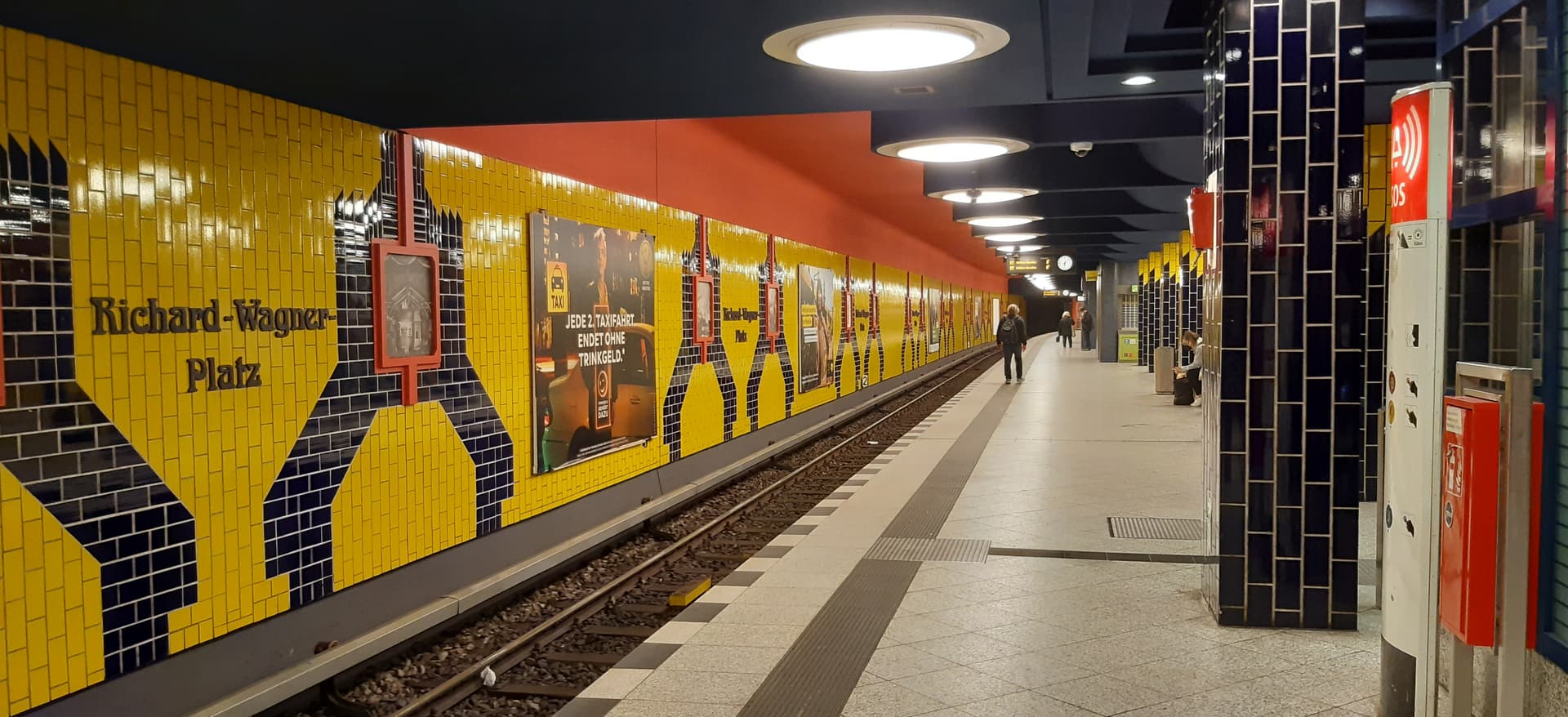
The Bayreuth Festival has placed a warning sign on Richard-Wagner-Straße noting Wagner's antisemitism, while its 150th anniversary celebrations include a public statement condemning antisemitism and historical amnesia, featuring Michel Friedman and Katharina Wagner
Michel Friedman addressed Richard Wagner's antisemitism during the premiere of 'Walküre', sparking debate about Bayreuth's legacy. The Bayreuth Festival, founded by Wagner, remains central to Germany's cultural identity, but his antisemitic views have intensified scrutiny. The city of Bayreuth has placed a notice on Richard-Wagner-Straße stating that Wagner is a controversial figure due to his antisemitism, while continuing to host the festival he established. This public acknowledgment reflects an effort to confront his legacy without erasing his artistic influence. The 150th anniversary of the Bayreuth Festival, beginning July 25, 2026, will feature a statement against antisemitism and historical amnesia, co-signed by Michel Friedman and Katharina Wagner. As debates over Wagner's place in public memory persist, the anniversary underscores the tension between artistic legacy and ethical accountability. The city's signage and the festival's stance mark a significant moment in how Germany reckons with its cultural past.
The 2023 controversy over Wagner's legacy
Michel Friedman addressed Richard Wagner's antisemitism during the 2023 'Walküre' premiere, reigniting debate about Bayreuth's cultural legacy and prompting the city to confront its historical association with the composer.
The city of Bayreuth has placed a notice on Richard-Wagner-Straße indicating that Wagner is a controversial figure due to his antisemitism. The notice warns that Wagner is a controversial personality because of his antisemitism. The antisemitic nature of Wagner's legacy is highlighted by the addition of a warning sign on the Richard-Wagner-Straße. The antisemitic stance of Wagner is considered a dark aspect of his legacy. According to reports, an antisemitism-themed documentary about Wagner's Ring cycle was produced by Arte.
The Bayreuth Festival (Bayreuther Festspiele) is commemorating its 150th anniversary starting July 25, 2026. The city of Bayreuth acknowledges Wagner's contributions to the arts through the Bayreuth Festival while also addressing his antisemitic views. The Bayreuth Festival has issued a statement against antisemitism and historical amnesia, featuring Michel Friedman and Katharina Wagner. Wagner wrote antisemitic texts, including the essay 'Das Judenthum in der Musik', which contributed to the history of antisemitism. Ernst Boepple was a German schoolteacher and publisher who became a Nazi official and SS-Oberführer during World War II. Oliver Hilmes is a German author known for historical biographies, including works on Wagner-related figures. The city of Bayreuth is aware of Wagner's antisemitism and has responded by adding a warning sign to the street named after
City's response through public signage
The city of Bayreuth addressed Wagner's legacy through a notice on Richard-Wagner-Straße that warns the figure is controversial because of his antisemitism. The signage explicitly references Wagner's documented antisemitic writings, including the 1850 essay 'Das Judenthum in der Musik', as part of the city's effort to contextualise his legacy. This response comes as the Bayreuth Festival prepares to mark its 150th anniversary in 2026, a milestone that has intensified public scrutiny of Wagner's historical impact. The festival, founded by Wagner, has issued a statement condemning antisemitism and historical amnesia, featuring figures such as Michel Friedman and Katharina Wagner. The controversy surrounding Wagner's legacy remains tied to his antisemitic views, which continue to provoke debate in Germany and beyond. According to reports, the city seeks to balance recognition of Wagner's cultural contributions with acknowledgment of the harmful dimensions of his ideology.
Festival's 150th anniversary and public statement
The Bayreuth Festival begins its 150th anniversary celebrations on July 25, 2026, with a public statement against antisemitism and historical amnesia co-signed by Michel Friedman and Katharina Wagner. The statement acknowledges the complexity of Wagner's legacy, noting his artistic contributions alongside his documented antisemitic views. It frames the anniversary as an opportunity for reflection rather than celebration of his persona alone. The city of Bayreuth recently placed a warning sign on Richard-Wagner-Straße, noting Wagner's controversial status due to his antisemitism. Festival leadership emphasized that remembering this aspect of his legacy does not negate his cultural impact but demands honest reckoning. The co-signatories stressed that engaging with Wagner's work today requires confronting uncomfortable truths without erasing them. This approach signals a shift toward integrating historical accountability into the festival's commemorative framework. The statement underscores that Wagner's legacy remains contested, demanding ongoing dialogue within German cultural institutions. Its release coincides with renewed scrutiny of how artistic institutions address problematic legacies. The festival's action reflects a broader European reckoning with cultural figures whose work is inseparable from their ideological flaws. [LOW CONFIDENCE — attribute, do not assert]
Broader cultural reckoning and future implications
The Bayreuth Festival’s 150th anniversary has reignited scrutiny of Richard Wagner’s antisemitic legacy, reflecting Germany’s broader struggle to reconcile cultural icons with moral accountability. Michel Friedman’s 2023 intervention during the Walküre premiere underscored the urgency of confronting Wagner’s writings, including the essay Das Judenthum in der Musik, which fueled antisemitic narratives. The city’s decision to install a warning sign on Richard-Wagner-Straße — a move echoed in historical discourse — illustrates a willingness to acknowledge complicity in historical amnesia. As the festival prepares its July 2026 commemoration, its public statement with figures like Katharina Wagner and Friedman signals a shift toward transparency. This reckoning, amplified by documentaries and scholarly works, challenges audiences to separate artistic innovation from ethical failure, ensuring that Wagner’s complex legacy is neither glorified nor erased but critically examined.
Frequently asked questions
Why does Bayreuth have a warning sign about Richard Wagner?
Michel Friedman raised Wagner's antisemitism at the 'Walküre' premiere, prompting Bayreuth to add a notice on Richard-Wagner-Straße stating he is controversial due to his antisemitism. The city acknowledges his artistic legacy through the Bayreuth Festival while addressing this dark aspect of his history.
What antisemitic text did Wagner write?
Wagner authored 'Das Judenthum in der Musik', an antisemitic essay contributing to historical antisemitism. The briefing does not specify other texts, and no additional examples are confirmed in the provided information.
How is Wagner connected to the Bayreuth Festival's 150th anniversary?
Wagner founded the Bayreuth Festival, which is commemorating its 150th anniversary starting July 25, 2026. The city acknowledges his role in establishing the festival's international reputation while confronting his antisemitic legacy through public signage and festival statements.
What did Michel Friedman say about Wagner?
Michel Friedman addressed Wagner's antisemitism during the 'Walküre' premiere, sparking debate about Bayreuth's legacy. His intervention prompted the city to place a warning sign on Richard-Wagner-Straße highlighting Wagner's controversial status due to his antisemitism.
Why is there controversy about Wagner in Bayreuth?
Wagner's antisemitic views, including his essay 'Das Judenthum in der Musik', create a dark aspect of his legacy. Bayreuth acknowledges this through a street sign warning of his controversy while celebrating his founding of the Bayreuth Festival, which brought international recognition to the city.