Germany's New Foreign Policy Turn: Johann Wadephul's Africa Tour and Diplomatic Tensions
Foreign Minister Johann Wadephul's recent Africa tour, marked by criticism of US policy and disputes over staff appointments, reflects Berlin's shifting priorities amid global realignments.
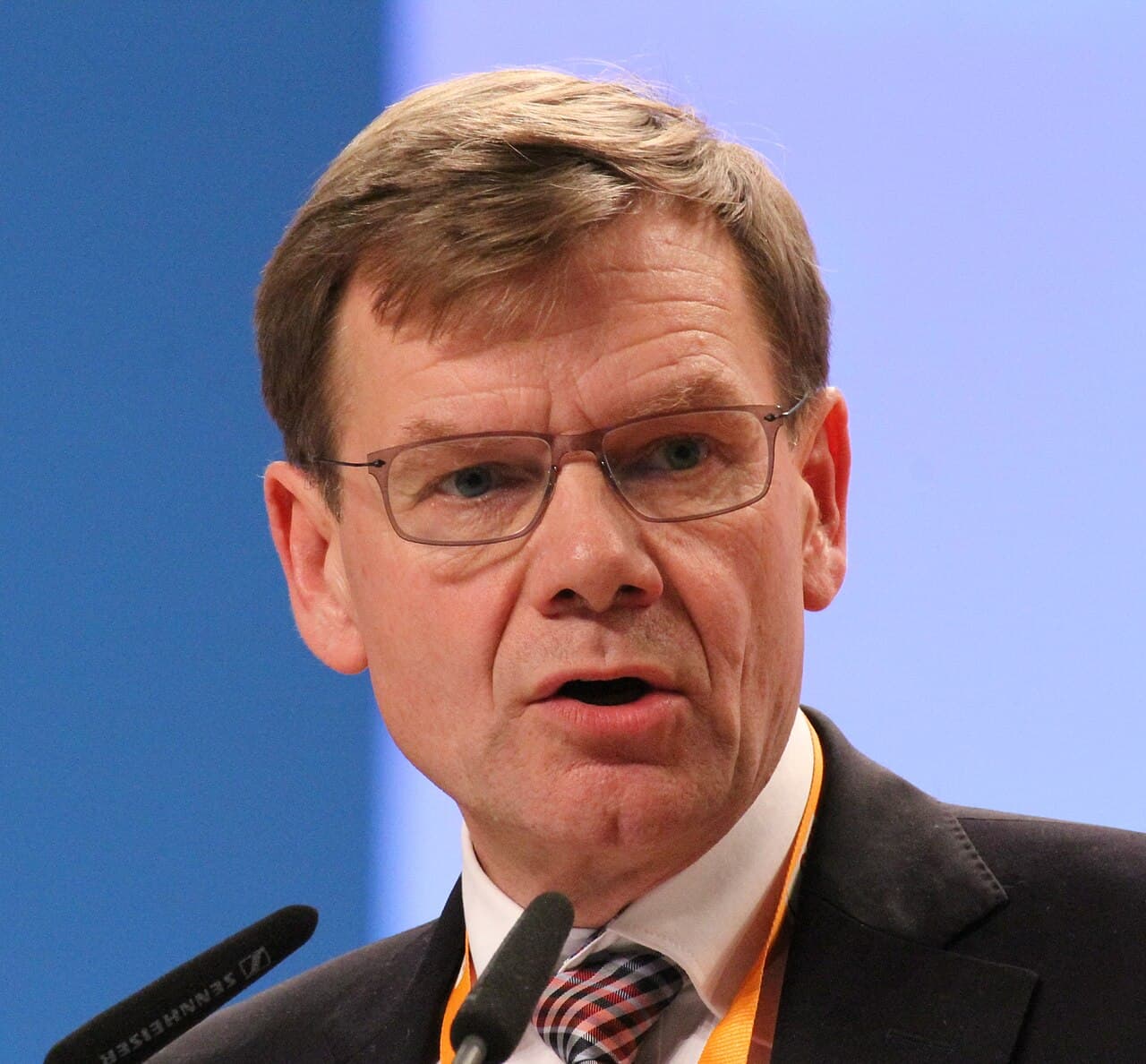
Foreign Minister Johann Wadephul recently completed a four-day Africa tour, criticizing US treatment of South Africa in Pretoria and promoting German cooperation on energy, trade and infrastructure, while his ministry faces a dispute with the Federal President's office over returning SPD-aligned aides.
Wadephul took office as foreign minister on 6 May 2025 in the cabinet of Chancellor Friedrich Merz. He travelled to Africa to promote closer German cooperation on energy, trade, infrastructure and economic matters. During a stop in Pretoria he criticised the United States' treatment of South Africa. The dispute with the Federal President's office over two close aides of President Steinmeier remains unresolved. Wadephul has called on the European Commission to make protecting the EU's external borders an absolute priority, as tens of thousands of migrants arrived at its southern frontier. The appointment marks the first foreign minister in Chancellor Merz's CDU-led government. His Africa tour underscores Berlin's effort to deepen ties amid shifting global alignments. The dispute with the Bundespräsidialamt highlights the political sensitivities of staffing within Germany's diplomatic corps. Criticism of U.S. policy and China's regional role reflects Berlin's broader reassessment of alliances. Wadephul's push for EU border protection comes as migration pressures intensify across the Union's peripheries. His security guarantees for Ukraine are shaped by Germany's limited capacity to deploy troops. These developments reflect a foreign policy agenda defined by economic outreach, strategic autonomy and institutional friction.
Wadephul's May 2025 appointment as foreign minister
Johann Wadephul, a member of the Christian Democratic Union, assumed office as Germany's foreign minister on 6 May 2025 in Chancellor Friedrich Merz's cabinet. His appointment marked a generational shift within the CDU's foreign policy establishment, as Merz consolidated control over key ministries following the coalition breakdown. Wadephul, formerly CDU chair of the Foreign Affairs Subcommittee, entered the role amid heightened expectations for a reorientation of German diplomacy under a more assertive European posture.
His first major diplomatic undertaking was a four‑day Africa tour that began with a stop in Pretoria. There, Wadephul criticised the United States' treatment of South Africa, a move that underscored Berlin’s effort to distance itself from Washington’s recent positions. The visit continued to Johannesburg, where he was scheduled to meet South African Foreign Minister Ronald Lamola, and included a prior two‑day engagement in Nigeria aimed at deepening economic ties across the continent.
The tour coincided with broader debates in Berlin over the EU’s external border policy, a discussion intensified by a recent influx of migrants into the Spanish enclave of Ceuta. While the situation in Ceuta has since calmed, it has fueled calls within the European Commission for heightened protection of the EU’s frontiers. Wadephul echoed this emphasis, urging the Commission to make border security an absolute priority.
In addition to African outreach, Wadephul has voiced criticism of China’s behaviour, particularly its support for Russia, and has questioned the United States’ approach toward its allies. He also expressed reservations about Germany’s capacity to supply additional troops for Ukraine while affirming the country’s role in providing security guarantees for the country. These positions reflect a foreign policy agenda that seeks to assert European autonomy while navigating complex geopolitical tensions.
Johann Wadephul of the CDU took office as Germany's foreign minister in Chancellor Friedrich Merz's cabinet.
During a trip to Japan, Wadephul criticised China over what he called aggressive behaviour and over its support for Russia.
Speaking in Tel Aviv, Wadephul said a Gaza ceasefire and the release by Hamas of all hostages could happen the following week.
Germany's foreign minister concluded a two-day visit to Nigeria, part of a push to deepen business ties in Africa.
Wadephul ended a four-day Africa tour in South Africa, where he was due to meet Foreign Minister Ronald Lamola and had criticised the US treatment of South Africa in Pretoria.
Africa tour: Pretoria criticism and diplomatic engagements
Wadephul ended a four-day Africa tour on a Thursday in South Africa. In Pretoria he criticised the United States' treatment of South Africa. The critique was delivered during the final leg of a tour that included stops in other African countries. He was scheduled to meet South African Foreign Minister Ronald Lamola but did not disclose the results of that meeting.
The tour preceded an earlier two-day visit to Nigeria. There he wrapped up talks on trade and infrastructure, part of Berlin’s effort to deepen business links across the continent. The Nigerian leg occurred earlier in the week and formed part of a broader push to strengthen economic ties while the United States adopts a more isolationist stance and China increases its geopolitical presence.
Wadephul’s Africa tour thus combined diplomatic engagement with sharp criticism of US policy, underscoring Germany’s attempt to reorient its foreign policy toward Africa amid shifting global dynamics. The timing and tone of his remarks highlighted tensions with Washington and signalled Berlin’s intent to pursue independent partnerships on the continent.
The visit to South Africa concluded on a Thursday, marking the end of a four-day itinerary that had included discussions in Pretoria and other locations. His critique of US treatment of South Africa was delivered in the capital, where he called attention to perceived inconsistencies in American engagement. The encounter with Lamola was expected to address bilateral cooperation but its specific outcomes were not made public.
Wadephul’s activities in Africa formed part of a wider diplomatic strategy. The trip underscored Germany’s focus on African markets and infrastructure, even as internal disputes within the Foreign Ministry and questions over border protection shaped the broader policy context. The tour’s conclusion in South Africa followed earlier engagements in Nigeria, reflecting Berlin’s coordinated outreach across the continent.
The tour’s end on a Thursday marked the close of a diplomatic effort that blended criticism, dialogue, and economic outreach. By addressing US policy in Pretoria while advancing ties in Nigeria, Wadephul illustrated Germany’s ambition to play a more active role in African affairs amid evolving international alignments.
Dispute with the Federal President's office over staff appointments
Germany’s New Foreign Policy Turn: Johann Wadephul's Africa Tour and Diplomatic Tensions – Dispute with the Federal President's office over staff appointments
The Federal Republic’s foreign ministry under Johann Wadephul is contesting the proposed return of two senior aides to President Frank-Walter Steinmeier. Both officials are viewed as aligned with the Social Democratic Party (SPD), a party that sits in opposition to the Christian Democratic Union (CDU) that leads the current coalition government. The Bundespräsidialamt, which oversees the president’s staffing decisions, has refused to confirm their reinstatement, leaving the matter in public dispute.
The disagreement emerged shortly after Wadephul assumed office on 6 May 2025. While the Foreign Ministry has expressed concerns that the aides’ political affiliations could compromise the neutrality of the diplomatic service, the President’s office has maintained that personnel matters fall within its jurisdiction. The standoff has become a visible symbol of friction between Chancellor Friedrich Merz’s administration and the country’s ceremonial head of state.
No resolution has been announced, and the Bundespräsidialamt has not indicated any willingness to compromise. The episode reflects broader tensions within Germany’s governing coalition, where policy direction and institutional authority are increasingly contested. It also underscores how personnel decisions at the highest levels can become flashpoints for ideological and partisan conflict.
The dispute remains unresolved, with both sides maintaining their positions. Its outcome may influence perceptions of institutional independence and the balance of power between Germany’s executive branches.
Border protection as a central EU priority
Wadephul urged the European Commission to make the protection of the European Union’s external borders an absolute priority. The Foreign Minister framed the measure as existential for EU sovereignty and linked it to broader security concerns. His appeal came after a surge of migrants reached the EU’s frontiers, with a temporary spike in Ceuta that later subsided. The call followed the arrival of tens of thousands of migrants at EU external borders and intensified debate within the Union over how to manage the flows.
Wadephul’s Africa tour concluded on a Thursday after a four‑day visit that began with a stop in Pretoria. In the South African capital he criticised the United States’ treatment of South Africa and was scheduled to meet Foreign Minister Ronald Lamola. The tour also included a two‑day visit to Nigeria earlier in the week, where talks focused on deepening business opportunities across the continent amid shifting geopolitical dynamics.
At the same time, the Foreign Ministry under Wadephul is in dispute with the Federal President’s office over the possible return of two close aides to President Steinmeier to the ministry. The CDU‑led Foreign Ministry does not want to accept the officials, who are seen as aligned with the SPD.
The minister has also spoken about Germany’s role in Ukraine, saying the country is likely too stretched to provide additional troops but can still offer important security guarantees. He characterised international law as akin to a highway code during a satirical ZDF programme, and he has repeatedly positioned himself as a critic of Russian President Vladimir Putin.
Wadephul’s statements on border protection, his criticism of US policy toward South Africa, and his warnings about China’s aggressive behaviour in Japan and support for Russia all reflect a foreign policy agenda that seeks to assert EU strategic autonomy while navigating complex alliances.
Criticism of US policy and China's role
In Pretoria, Johann Wadephul openly criticized US treatment of South Africa, reflecting Berlin’s growing frustration with Washington’s unilateral approach to African partnerships. The criticism emerged during his Africa tour, where he met with South African Foreign Minister Ronald Lamola and voiced concerns over what he described as insufficient US engagement and inconsistent policy toward the continent. Earlier in August 2025, during a trip to Japan, Wadephul condemned China’s ‘aggressive behaviour’ and its support for Russia, framing both as threats to European security and strategic stability. His remarks coincided with heightened EU debate over external border protection, as tens of thousands of migrants arrived at the EU’s southern perimeters, including in Ceuta, triggering calls for the European Commission to prioritize border security. Though the situation in Ceuta later calmed, the episode intensified discussions within the bloc about managing migration flows more effectively. Wadephul also made light of legal frameworks in a satirical ZDF programme, comparing international law to a highway code, underscoring his penchant for direct commentary. He wrapped up a two-day visit to Nigeria as part of Germany’s broader push to deepen economic ties across Africa amid shifting geopolitical dynamics. While he stated Germany could play an important role in providing security guarantees for Ukraine, he acknowledged the country’s military limitations in supporting Kyiv. The dispute between his Foreign Ministry and the Federal President’s Office over two close aides of Frank-Walter Steinmeier, seen as aligned with the SPD, remained unresolved, highlighting internal federal tensions. Wadephul, appointed on 6 May 2025 in Chancellor Friedrich Merz’s cabinet, continues to shape a foreign policy marked by skepticism of both US and Chinese influence, and a push for European strategic autonomy. His actions signal a recalibration of Germany’s global posture, prioritizing African engagement and institutional clarity amid complex international pressures.
Security guarantees for Ukraine amid troop limitations
Wadephul stated that Germany can play an important role in providing security guarantees for Ukraine despite being too stretched to send additional troops. The foreign minister made the remarks during a visit to Tel Aviv in October 2025, where he also said a ceasefire in Gaza and the release of all hostages by Hamas could happen the following week. His comments came as Berlin reassessed its capacity to support Ukraine militarily while managing competing international commitments.
The statement reflects a shift in Germany’s approach to Ukraine, acknowledging domestic constraints on military deployment while emphasizing diplomatic and institutional support. Wadephul’s position emerged amid broader debates within the European Union over border security and external defence priorities, particularly in relation to migration pressures and strategic realignment with African partners.
His remarks were delivered during a period of active diplomatic engagement in Africa, where he concluded a four-day tour in South Africa after criticizing the United States’ treatment of the country in Pretoria. The tour included discussions on energy, trade, and infrastructure, underscoring Berlin’s effort to strengthen ties with African nations amid growing geopolitical competition.
The comments on Ukraine were made in the context of a wider recalibration of Germany’s foreign policy, shaped by internal political dynamics and external pressures. While the precise scope of Germany’s future role in Ukraine remains subject to ongoing discussion, Wadephul’s emphasis on non-military contributions aligns with Berlin’s broader strategic adjustments in response to evolving security conditions in Europe and beyond.
Frequently asked questions
When did Johann Wadephul become Germany's foreign minister?
He took office on 6 May 2025 in Chancellor Friedrich Merz's cabinet. He is a member of the Christian Democratic Union (CDU).
What was the purpose of Wadephul's Africa tour?
He travelled to Africa to promote closer German cooperation on energy, trade, infrastructure and economic matters. He ended the tour in South Africa after visiting Nigeria.
Which officials are in dispute with the Federal President's office?
Two close aides of President Steinmeier wish to return to the Foreign Ministry. The CDU-led ministry does not want to accept them, and they are seen as close to the SPD.
What did Wadephul say about international law?
In a satirical programme to be aired by ZDF, he compared international law to the highway code.
What did Wadephul say about Gaza and Israel?
Speaking in Tel Aviv on a Monday in October 2025, he said a ceasefire in Gaza and the release by Hamas of all hostages could happen the following week.