Lars Klingbeil pledges security guarantees for Ukraine and confronts domestic economic challenges
German Finance Minister and Vice Chancellor Lars Klingbeil reaffirmed Berlin's unwavering support for Ukraine during an August 2025 visit, while navigating tariff tensions, record investment plans and rising political scrutiny.
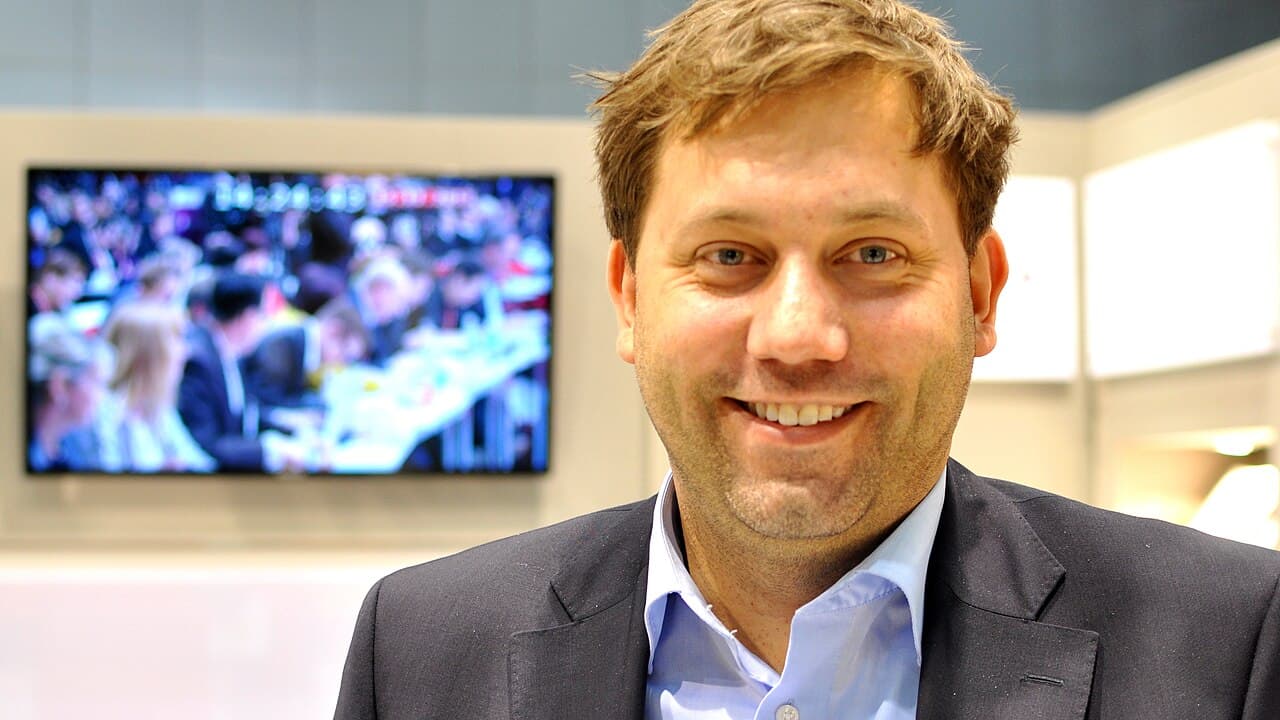
Lars Klingbeil, German finance minister and vice chancellor, visited Ukraine in August 2025 and pledged German security guarantees for as long as the war continues, while also confronting domestic economic challenges including record investment plans and tariff tensions
Lars Klingbeil visited Kyiv in August 2025 and pledged that Germany would provide security guarantees to Ukraine. Klingbeil is a Social Democratic Party (SPD) politician who became Germany’s Vice Chancellor and Federal Minister of Finance on 6 May 2025. He has led the SPD parliamentary group since early August 2026 and has been a co‑leader of the party alongside Saskia Esken and Bärbel Bas. In the same month he urged G7 partners to settle a tariff dispute quickly while warning that Germany would not accept any deal at any price, a stance echoed by the Bundesbank’s warning that tariffs could damage Germany’s economic recovery. The pledge of security guarantees and Klingbeil’s public support for Ukraine matter now because they shape Germany’s role in the ongoing war and influence both domestic economic policy and the coalition government’s stability.
Ukraine visit and security guarantees
Lars Klingbeil traveled to Kyiv in August 2025, where he pledged that Germany would provide security guarantees for Ukraine and declared that Berlin would stand by Ukraine for as long as the war continues. He emphasized that reliable guarantees would be needed in any future peace process, framing continued support as essential while Germany confronts domestic economic challenges.
Lars Klingbeil traveled to Kyiv in August 2025, where he pledged that Germany would provide security guarantees for Ukraine and declared that Berlin would stand by Ukraine for as long as the war continues. He emphasized that reliable guarantees would be needed in any future peace process, framing continued support as essential while Germany confronts domestic economic challenges.
During the visit he met President Volodymyr Zelenskyy and signed a letter of intent confirming military assistance through the German Federal Ministry of Defense, according to reports. Klingbeil told Ukrainian officials that the guarantees would cover air‑defence systems, artillery supplies and training for Ukrainian forces, and that they would be reviewed regularly as the conflict evolves.
The pledge was presented alongside a domestic announcement that the German government plans record investment in infrastructure and green technology, while also warning of necessary spending restraint to keep fiscal balance.
The visit reinforced Germany’s public commitment to Ukraine at a time when Berlin faces pressure to balance military aid with economic recovery, and it set the stage for subsequent diplomatic efforts within the G7 and NATO forums.
Klingbeil became co-leader of the SPD alongside Saskia Esken, a partnership that lasted until 2025; Bärbel Bas later joined him as co-leader.
After the 2025 federal election, the SPD became the junior partner in Chancellor Merz's coalition government, in which Klingbeil serves.
Klingbeil took office as Vice Chancellor of Germany and Federal Minister of Finance.
At a G7 meeting, Klingbeil pressed partners to settle the tariff dispute quickly while insisting Germany would not accept a deal at any price; the Bundesbank warned tariffs could harm Germany's hoped‑
Klingbeil visited Ukraine, pledged German security guarantees, said Germany would stand by Ukraine for as long as the war continues, and stressed that reliable guarantees would be needed for any peace
Klingbeil told German lawmakers the government planned record investment while warning that spending restraint would also be required.
Klingbeil rejected German participation in the military conflict involving Iran, describing the campaign as 'not our war'.
After a fatal attack on Berlin's Christopher Street Day Pride parade, Klingbeil said the right to live freely must be defended.
In a Die Zeit article, Klingbeil backed examining a possible ban of the AfD, saying Berlin should check whether legal grounds exist to ban the party.
Klingbeil was elected leader of the SPD parliamentary group.
Tariff dispute and economic policy
At the July 2025 G7 summit Klingbeil urged partners to settle a tariff dispute swiftly while insisting Germany would not accept any agreement that compromised its interests. He said the dispute must be resolved quickly, even as the Bundesbank had warned that the tariffs could jeopardize Germany’s anticipated economic recovery. Klingbeil’s position reflected a broader push to protect domestic industry while maintaining international cooperation. The remarks underscored Germany’s reluctance to trade away core economic concerns for the sake of a deal. No further details on the negotiation outcome or specific tariff measures were provided in the reported statements.
SPD leadership and parliamentary role
Lars Klingbeil served as co‑leader of the Social Democratic Party (SPD) together with Saskia Esken from 2021 until 2025, after which Bärbel Bas joined him as deputy leader. Following the 2025 federal election the SPD entered the coalition government headed by Chancellor Friedrich Merz, where Klingbeil was appointed Federal Minister of Finance and Vice Chancellor on 6 May 2025. In early August 2026 he was elected leader of the SPD parliamentary group, a role he holds while continuing to steer the party’s legislative agenda. His leadership thus combines executive responsibility in the federal cabinet with formal authority over the SPD’s parliamentary operations.
Domestic political controversies
Klingbeil faced scrutiny over accusations of misusing funds tied to Germany’s economic revival, publicly rejecting the claims and defending the government’s record investment plans while warning that spending restraint would also be required. He later called for an examination of legal grounds to ban the far‑right Alternative for Germany (AfD) party, citing concerns about its extremist tendencies. After a fatal attack on Berlin’s Christopher Street Day pride parade in July 2026, he stated that the right to live freely must be defended, framing the incident as an assault on democratic values. These positions placed him at the centre of domestic political controversy, as opponents questioned the transparency of the debt‑financed revival programme and the feasibility of a potential AfD ban, while coalition partners sought to balance security concerns with civil‑liberty considerations. The debate highlighted tensions within the ruling coalition over fiscal policy, party strategy and responses to rising far‑right activity, shaping public perception of Klingbeil’s leadership amid ongoing economic and security challenges.
Frequently asked questions
When did Lars Klingbeil visit Ukraine and what did he pledge there?
In August 2025, Lars Klingbeil visited Ukraine and pledged that Germany would provide security guarantees to the country, stating Germany would stand by Ukraine for as long as the war continues.
What positions has Lars Klingbeil held in the German government?
Since 6 May 2025, Klingbeil has served as Vice Chancellor of Germany and Federal Minister of Finance, and he leads the SPD parliamentary group after being elected to that role in early August 2026.
When did Klingbeil comment on the AfD party ban and what did he say?
In early August 2026, Klingbeil said Berlin should examine whether legal grounds exist to ban the far-right AfD party, expressing support for reviewing such a possibility.
What was Klingbeil's stance on German involvement in the Iran conflict?
In March 2026, Klingbeil rejected German participation in the military conflict involving Iran, describing the campaign as 'not our war'.
What did Klingbeil say about the Berlin CSD parade attack?
Following a fatal attack on Berlin's Christopher Street Day Pride parade in July 2026, Klingbeil said the right to live freely must be defended, stating 'CSD stands for the right...'.