AfD leads Union by eight points in latest Sunday question poll
The AfD has taken an eight-point lead over the Union in the newest Sunday question poll, marking a historic high for the party and deepening the ruling coalition’s crisis.
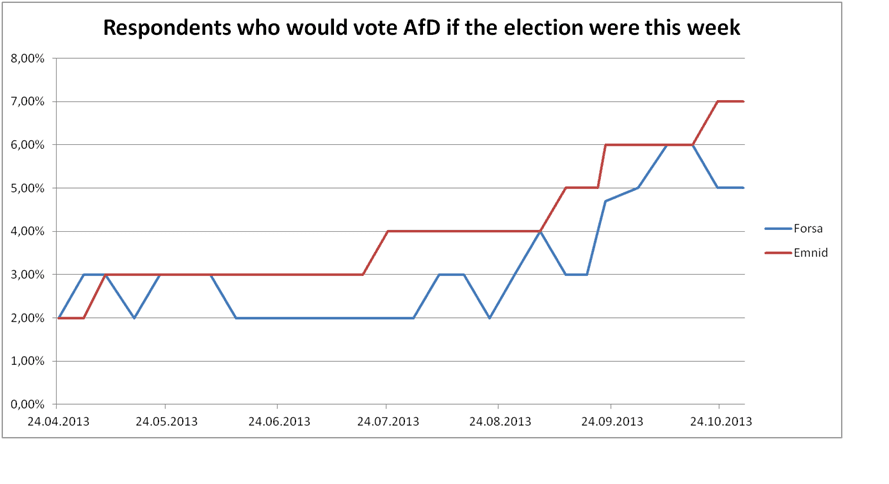
The latest Sunday question poll shows the AfD leading the Union by eight points, with the party at its highest support level and tied with the Union in some surveys. The SPD has fallen to fifth place, while the FDP has regained ground. Coalition options now include a Kenya or black-blue alliance to achieve a majority.
The latest Sunday question poll shows the AfD leading the Union by eight points. The Sonntagsfrage has become the standard benchmark for German voter sentiment, measuring support for parties through regular public surveys. Recent results reflect shifting dynamics: the AfD has reached its highest recorded level of backing, while the Union faces internal strain after Spahn’s resignation, and the SPD continues to lose ground, now ranking fifth among parties. These trends matter because they reveal a realignment in the political landscape, with the Greens and the Left gaining ground as traditional parties falter. The FDP’s resurgence adds further complexity to coalition calculations, as no clear path to a governing majority emerges.
AfD's record support in latest poll
The AfD leads the Union by eight points in the latest Sunday question poll, reaching 27 percent support according to GMS data, its highest level to date. The figure marks a new peak for the party, while the Union trails at 19 percent. Support shifts among smaller parties are also evident, with the Greens and the Left gaining ground at the expense of the SPD, which has slipped to fifth position in current surveys. The FDP has shown signs of recovery, gaining momentum in recent polls. Union ranks are reportedly unsettled following Spahn's resignation, complicating coalition calculations. The party may need to pursue a Kenya coalition or a black-blue alliance to secure a majority, according to current trends. Figures are drawn from the latest GMS survey, which measures voter preference ahead of potential elections.
SPD's decline and shifting voter preferences
The SPD has slipped to fifth place in current Sunday question surveys, overtaken by both the Greens and the Left, reflecting a broader erosion of its traditional voter base. According to reports from multiple outlets, the party’s decline began after its electoral defeats in Baden-Württemberg and Rhineland-Palatinate, weakening its regional strongholds. This shift underscores growing voter fragmentation, particularly in western Germany, where economic concerns and dissatisfaction with coalition fatigue have driven defections. While the Greens have gained traction among urban and environmentally engaged voters, the Left has drawn support in eastern regions, capitalizing on discontent with mainstream parties. The trend marks a pivotal moment in German politics, signaling not only the weakening of the SPD’s institutional influence but also the rise of alternative political forces reshaping the electoral landscape.
Union's internal turmoil and coalition outlook
The Union faces internal instability following Spahn's resignation, with analysts suggesting it may need either a Kenya coalition or a black-blue alliance to secure a parliamentary majority. The latest Sunday question poll shows the AfD leading the Union by eight points, with AfD support at 27 percent in the GMS survey, marking its highest level and tying it with the Union in another recent poll. The Union’s cohesion has weakened amid leadership questions and electoral setbacks in key states, complicating coalition planning. Current trends indicate the Union would require either a Kenya coalition or a black-blue alliance to achieve a majority, as traditional center-right partners struggle to align. Voter shifts reflect broader fragmentation, with the Greens and Left surpassing the SPD, which has declined to fifth place in recent surveys. The FDP has regained ground, reaching levels not seen since 2024, further shaping the coalition calculus. Analysts note that while the Union remains a key player, its ability to govern may depend on unlikely alliances, underscoring the volatility of Germany’s political landscape. The SPD's decline follows its electoral defeats in Baden-Württemberg and Rhineland-Palatinate.
FDP's resurgence and broader implications
The FDP has regained support in the latest Sunday question poll, reaching levels not seen since 2024, adding complexity to coalition calculations as smaller parties gain ground. According to reports citing current surveys, the FDP's resurgence reflects shifting voter preferences amid broader realignments, with the party benefiting from dissatisfaction in other camps. This development complicates coalition math for both the Union and potential governing partners, as smaller parties like the FDP and Greens now hold more leverage in post-election negotiations. The FDP's gains underscore volatility in the political landscape, where traditional alignments are eroding and new configurations are emerging ahead of federal elections.
Frequently asked questions
What does the latest Sunday question poll show about AfD and Union support?
The latest Sunday question poll shows the AfD leading the Union by eight points. The AfD's support stands at 27 percent in the GMS poll, maintaining its lead over the Union.
Is the AfD tied with the Union in any recent Sunday question poll?
Yes, the AfD has reached its highest level of support and is tied with the Union in a recent Sunday question poll according to some reports, though this is marked as low confidence.
How is the SPD performing in current Sunday question surveys?
The SPD is losing support and has fallen to fifth place in voter preference according to current Sunday question surveys, with the Greens and Left overtaking it.
What coalition options are mentioned for the Union to achieve a majority?
The Union would need either a Kenya coalition or a black-blue coalition to achieve a majority according to current Sunday question trends, though this is marked as low confidence.
Which parties have gained support in the latest Sunday question poll besides the AfD?
The FDP has regained support in the latest Sunday question poll, reaching levels not seen since 2024, according to low confidence reports.