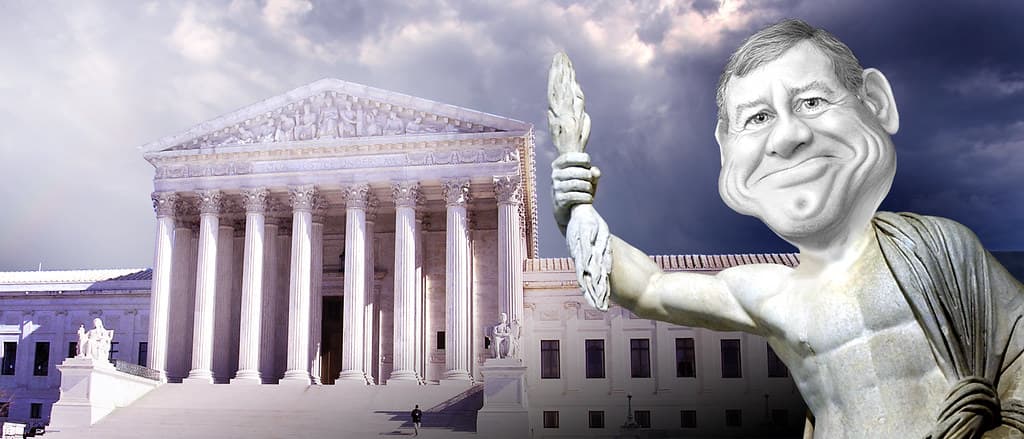
Trump administration appeals to Supreme Court over White House ballroom construction dispute
The Trump administration has asked the Supreme Court to lift a federal appeals court order halting construction of a $400 million ballroom on the former East Wing of the White House, arguing the project is vital for national.
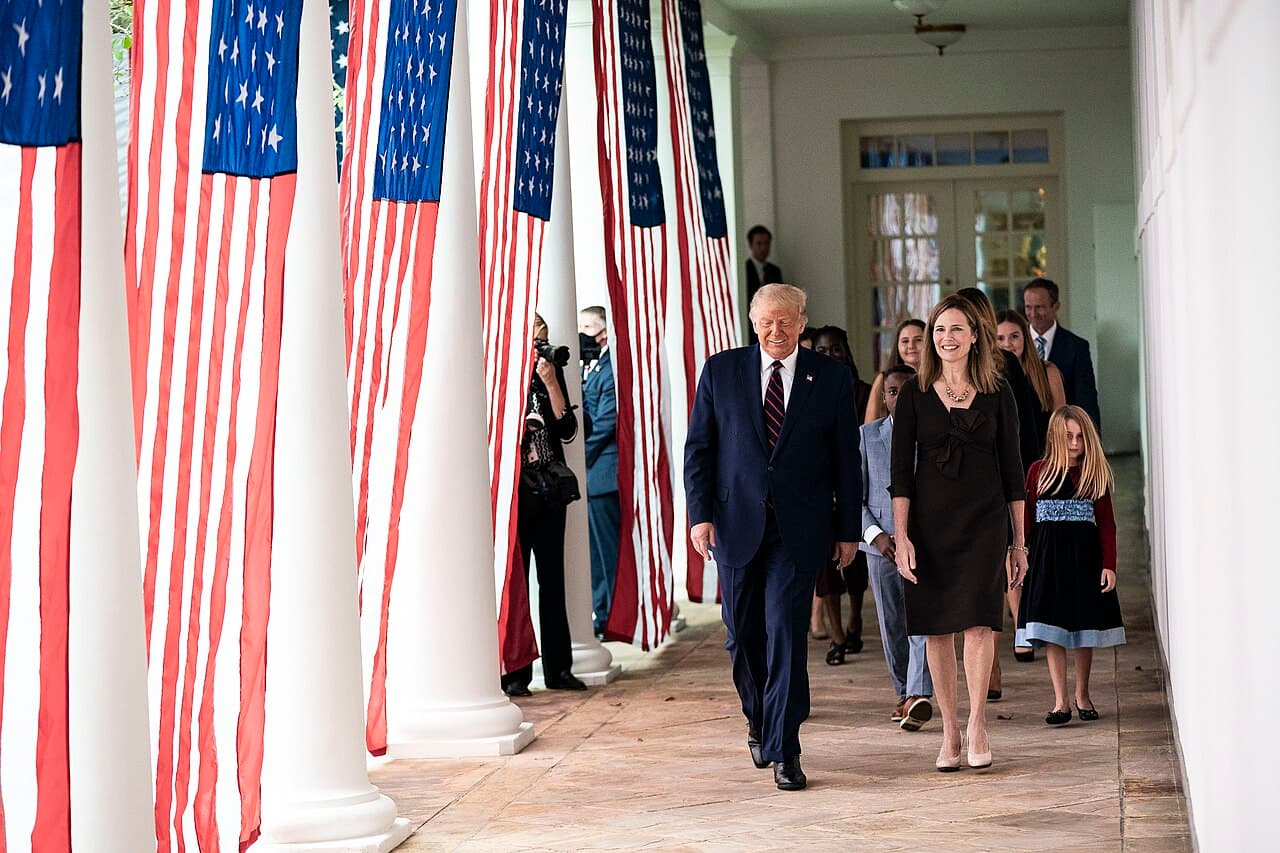
The Trump administration has asked the Supreme Court to pause a federal appeals court decision that blocked construction of a $400 million ballroom on the White House’s former East Wing, arguing the project is vital for national security and presidential authority.
The Trump administration asked the Supreme Court to keep a federal appeals court decision on hold while it seeks to resume construction of a ballroom on the former East Wing of the White House. The project, estimated to cost $400 million and to occupy 90,000 square feet, originated from the demolition of the original East Wing in October 2025 and the start of construction in September 2025. A divided appeals court ruled that above‑ground work cannot proceed without congressional approval, citing historic preservation concerns and questions about the administration’s authority. The dispute matters now because the administration argues that halting the work threatens national security and presidential safety, while critics say the project bypasses required legislative oversight. On April 25, 2026, gunshots were fired near a security screening area for the White House Correspondents’ Dinner, prompting the evacuation of President Trump, the First Lady, and senior officials. The Supreme Court’s decision will shape the limits of executive power over large‑scale federal construction projects.
The legal battle over the White House ballroom
The Trump administration has asked the Supreme Court to let construction of a $400 million ballroom on the former East Wing of the White House resume after a federal appeals court ruled that above-ground work requires congressional approval. The administration says stopping the project would leave the president “much less safe” and calls the injunction extraordinary and unlawful.
The planned ballroom, estimated at 90,000 square feet, is being built on the site of the former East Wing, where demolition began in October 2025. Construction started in September 2025 and has continued under the auspices of the General Services Administration. The White House has described the project as vital to national security and to the broader redesign of the executive residence.
A federal appeals court in Washington ruled in early 2026 that the administration could not proceed without explicit legislative authorization. That decision sided with the National Trust for Historic Preservation and other groups that have raised concerns about the scale and location of the addition. The administration appealed the ruling and asked the Supreme Court to pause the appellate decision while it prepares a full petition.
The case tests the scope of presidential authority over federal construction projects and raises questions about the balance between executive initiative and legislative oversight. It also reflects a pattern of using large-scale renovations to shape the physical identity of the White House complex.
The administration says the ballroom will support diplomatic and security functions, though it has not detailed how. Critics argue the project exceeds traditional executive spending and undermines historic preservation standards.
The dispute remains pending at the Supreme Court, where the justices will decide whether to intervene. Their response will determine whether construction can continue while the legal questions are fully litigated.
| Fact | Source |
|---|---|
| The Trump administration asked the Supreme Court to allow construction of the White House ballroom to continue | cnbc.com |
| . | theguardian.com |
| . | nytimes.com |
| . | npr.org |
| . | cbsnews.com |
| . | nbcnews.com |
Origins of the project and early construction
Construction began on the White House grounds in September 2025, following the demolition of the original East Wing in October 2025. The project, originally reported as a $250 million ballroom, was later characterized as costing $400 million and encompassing 90,000 square feet. The planned structure is intended to function as a state ballroom within a new East Wing, forming part of a broader effort to reshape the 160
The administration described the ballroom as essential to national security, arguing that halting construction would leave Trump significantly less safe. It labeled the federal appeals court injunction extraordinary and unlawful, and requested the Supreme Court maintain the lower court’s hold while pursuing a full appeal. The White House asserted that the project’s scale and location required direct presidential authority, bypassing congressional approval.
Historic preservation groups challenged the project on legal and cultural grounds, contending that unilateral construction violated established preservation protocols. The appeals court ruled that above-ground work could not proceed without legislative authorization, siding with advocacy organizations concerned about the site’s historical integrity. The decision underscored tensions between executive ambition and institutional checks on federal property use.
The controversy emerged amid broader efforts to reconfigure federal spaces in the style of the sitting administration. The ballroom’s design, described as expansive and opulent, was framed as both a functional upgrade and a symbolic assertion of executive power. Its placement adjacent to the White House’s main residence emphasized scale and visibility.
The project’s financial footprint extended beyond the $400 million estimate, with early demolition work involving the removal of space historically used by the first lady’s staff. The demolition began in October 2025, shortly after construction commenced, and proceeded under the administration’s oversight.
A separate incident on April 25, 2026, involved gunfire near the Washington Hilton during the White House Correspondents’ Dinner. President Trump, First Lady Melania Trump, Vice President JD Vance, and Cabinet members were evacuated by the Secret Service. The event occurred amid heightened security concerns related to the administration’s public profile and ongoing high-profile initiatives.
The Supreme Court’s involvement centers on whether the president may override legislative oversight in matters of federal property development. The administration’s petition seeks to preserve construction momentum while legal questions remain unresolved. The case will determine the extent of executive discretion in large-scale architectural projects on protected historic ground.
Funding for the ballroom is tied to federal appropriations and reallocation of existing White House renovation budgets. Logistical planning includes structural modifications to support the 90,000-square-foot space, with attention to security infrastructure and ceremonial function. The project remains under active litigation, with construction currently suspended pending judicial review.
The conflict reflects a larger pattern of using executive authority to advance architectural and symbolic goals without legislative consent. It also raises questions about the long-term use of federal historic sites for politically charged developments. The Supreme Court’s ruling will set a precedent for future executive attempts to bypass congressional review in matters of public space and national symbolism.
Construction began at the Washington, D.C., site
Original East Wing was torn down in preparation for the new wing's construction
Gunshots were fired near the main security screening area for the annual White House Correspondents' Dinner at the Washington Hilton in Washington, D.C.
Administration asked the Supreme Court to allow construction of the White House ballroom to continue
Federal appeals court temporarily halted its ruling to allow the president to seek Supreme Court relief
Project involves the former East Wing of the White House
Administration argues that halting construction would leave Trump 'much less safe' and calls the injunction extraordinary and unlawful
Planned ballroom is estimated to cost $400 million and is part of the president's broader effort to remake Washington in his own style
Federal appeals court ruled that above-ground construction cannot continue without approval from Congress, siding with historic preservation advocates
Administration claims that the ballroom project is 'vital' for national security
Supreme Court case tests Trump's presidential authority over the project
Administration requested the Supreme Court to keep the appeals court decision on hold while it prepares a full appeal
Court rulings and the path to the Supreme Court
A federal appeals court halted construction of the planned White House ballroom, ruling that the administration lacked unilateral authority to build the 90,000-square-foot structure without congressional approval. The decision sided with the National Trust for Historic Preservation, which had argued that the project bypassed required legislative oversight and threatened historic integrity of the Executive Mansion.
In response, the Trump administration appealed the ruling and asked the Supreme Court to maintain the status quo while it prepared a full legal challenge. Solicitors asserted that halting work would leave the president “much less safe” and characterized the injunction as extraordinary, claiming it interfered with executive discretion over national‑security infrastructure.
The case now centers on whether the president may unilaterally fund and direct a multi‑hundred‑million‑dollar renovation of the White House’s former East Wing without legislative permission. The administration frames the dispute as a broader test of presidential power in matters of architectural and security policy, while opponents emphasize statutory constraints and preservation concerns.
The Supreme Court’s decision to stay the appeals court’s order will determine whether construction can resume pending a full merits review. That review will examine the scope of executive authority, the required congressional approval process, and the administration’s assertion that the ballroom is vital for national security. The outcome will shape the future of the project and set a precedent for executive‑legislative clashes over large‑scale federal construction initiatives.
According to reports, the planned ballroom carries an estimated cost of $400 million, with earlier demolition work beginning in October 2025 and construction having started in September 2025. A separate, unrelated incident on April 25, 2026, involved gunshots near the White House Correspondents’ Dinner venue, prompting evacuation of President Trump, the First Lady, Vice President Vance, and Cabinet members.
The administration also cited a separate $250 million figure for a different ballroom-related expense, though the precise total cost of the entire project remains unspecified.
National security and safety arguments
The administration argues that completing the ballroom is vital to national security and that pausing construction would leave the president significantly less safe. In emergency filings, White House lawyers contended that the structure supports critical communications infrastructure and provides secure spaces for classified meetings essential to executive functions. They described the injunction halting work as extraordinary and legally unsound, asserting that delays could compromise readiness during international crises. The administration also claimed that the ballroom’s design incorporates hardened emergency protocols and secure emergency egress routes intended to protect the president and senior officials. These assertions were presented to justify an urgent request to the Supreme Court to suspend the appeals court’s order while the case proceeds. Critics note the lack of public detail on how a ballroom directly enhances security, though the administration maintains that any weakening of protective infrastructure poses tangible risks. The argument hinges on the premise that physical continuity of presidential facilities is inseparable from operational security. Whether such claims meet judicial standards for national security justification remains untested. The administration insists that halting construction equates to weakening the presidency’s operational resilience. Courts have not yet evaluated the merits of equating architectural expansion with security necessity. The legal dispute now centers on whether emergency assertions outweigh procedural compliance and historic preservation mandates. The administration maintains that the ballroom’s completion is non-negotiable for the safety and function of the executive branch.
Public reaction and institutional pushback
Historic preservation advocates have condemned the ballroom project as an unprecedented alteration of the White House’s architectural legacy. The National Trust for Historic Preservation filed an amicus brief warning that the 90,000-square-foot addition eclipses the building’s historic proportions and undermines established preservation standards. Critics argue that the administration’s claim of national security necessity lacks concrete justification and appears aimed at reinforcing a personal vision of power rather than safeguarding the nation. Lawmakers from both parties expressed concern that bypassing congressional approval sets a dangerous precedent for executive overreach in public works. Architects and cultural historians highlighted the symbolic weight of the East Wing, noting that its demolition erodes a space traditionally reserved for the first lady’s staff and diplomatic functions. The controversy has intensified public debate over the use of federal funds for a project many view as ornamental. As the Supreme Court prepares to rule, institutions remain poised to challenge any decision that permits construction without legislative consent. The dispute underscores tensions between executive ambition and the safeguards designed to protect the nation’s historic fabric. Institutional pushback continues to mount as preservation groups prepare further legal actions. Their efforts reflect a broader commitment to maintaining transparency and accountability in government projects. The outcome will likely shape future approaches to executive-led infrastructure initiatives. Stakeholders anticipate that the ruling will set a pivotal benchmark for balancing modernization with heritage preservation. This moment invites reflection on how national symbols are stewardshiped across generations. The path forward demands careful consideration of both progress and the enduring value of historical continuity.
The April 2026 security incident and evacuation
On April 25, 2026, gunshots were fired near the main security screening area for the White House Correspondents’ Dinner at the Washington Hilton. President Donald Trump, First Lady Melania Trump, Vice President JD Vance and members of the Cabinet were evacuated by the Secret Service. The incident occurred amid heightened security protocols linked to the ongoing dispute over the White House ballroom construction.
The ballroom project, planned for the former East Wing site, has drawn legal and preservation challenges. A federal appeals court had ruled that above‑ground construction could not proceed without congressional approval, citing historic preservation concerns. The administration has argued that halting construction would leave Trump “much less safe” and has described the injunction as extraordinary and unlawful. It has sought Supreme Court intervention to keep the appeals court decision on hold while it prepares a full appeal.
The proposed ballroom, estimated to cost $400 million and span 90,000 square feet, is part of a broader effort to reshape Washington in the administration’s style. Construction began in September 2025, with demolition of the original East Wing starting in October 2025. The project’s scale and cost have intensified scrutiny from historic preservation groups and political opponents. The evacuation underscored the volatility of the environment surrounding the ballroom dispute, even as the legal battle moves toward the Supreme Court.
Supreme Court involvement and next steps
The administration asked the Supreme Court to intervene in the legal battle over the planned White House ballroom, requesting that the appeals court decision be kept on hold while it prepares a full appeal. The case now tests the limits of presidential power in matters of federal construction and congressional oversight.
The administration argues that halting construction would leave President Trump “much less safe” and calls the injunction extraordinary and unlawful. It maintains that the ballroom is vital for national security and part of a broader effort to reshape Washington in its own style.
The Supreme Court’s involvement centers on whether the administration may proceed with above-ground construction without explicit congressional approval. A federal appeals court had ruled that such approval is required, siding with historic preservation advocates who oppose the project.
By seeking to suspend the appeals court’s order, the administration aims to preserve its construction timeline. The court has not yet ruled on the request.
The dispute stems from work begun in September 2025 on the former East Wing site. Demolition of part of the East Wing started in October 2025. The planned ballroom is estimated to cost $400 million and span 90,000 square feet.
On April 25, 2026, gunshots were fired near the Washington Hilton during the White House Correspondents’ Dinner. President Trump, the First Lady, Vice President Vance, and members of the Cabinet were evacuated by the Secret Service.
The administration’s request marks a pivotal stage in the litigation. The Supreme Court’s decision could redefine the scope of executive authority in federal building projects.
Construction remains paused pending the Court’s response. The next steps depend on whether the justices agree to hear the case and, if so, whether they grant a stay of the appeals court’s ruling.
The White House has not disclosed further details about the legal strategy beyond the request for a temporary hold. The case will return to the appeals court if the Supreme Court declines to intervene.
The $250 million figure cited in earlier reports refers to initial demolition and site preparation costs. The full project cost remains pegged at $400 million in public disclosures.
The National Trust for Historic Preservation has opposed the project on grounds of architectural and historical significance. Its role in the appeals court ruling underscores the institutional resistance to the administration’s plans.
The administration has not specified which congressional authorization it believes is required. It has also not detailed how the ballroom enhances national security.
Funding and logistical details of the project
The ballroom project involves construction of a sprawling 90,000-square-foot structure adjacent to the White House, with estimates ranging from $250 million to $400 million. Demolition of part of the East Wing, traditionally the first lady’s operational base, has raised concerns about functional impacts on White House operations. The administration claims the project is vital for national security and argues that halting construction would leave the president “much less safe.” A federal appeals court ruled that above-ground construction cannot proceed without congressional approval, siding with historic preservation advocates. The White House began demolishing the East Wing in October 2025, shortly after construction started in September 2025. The planned ballroom is part of a broader effort to remake Washington in the administration’s style. Funding details beyond the cited range are not specified in the available reporting. The project’s logistical scope includes rebuilding the former East Wing site, with construction ongoing since September 2025. The administration has requested the Supreme Court keep the appeals court decision on hold while it prepares a full appeal. The dispute centers on whether the president can unilaterally fund and authorize the project without legislative consent. According to reports, the ballroom’s size and cost position it as one of the most ambitious construction undertakings in White House history. The demolition’s impact on first lady operations remains a point of procedural concern. The administration maintains that the structure will support diplomatic and security functions, though specific design elements tied to national security have not been detailed publicly. The project’s fate now hinges on the Supreme Court’s decision regarding executive authority in federal construction matters.
Frequently asked questions
What is the White House ballroom construction dispute about?
The Trump administration seeks to build a 90,000-square-foot ballroom on the former East Wing site. A federal appeals court halted construction, ruling Congress must approve the project. The administration appealed to the Supreme Court to resume work, arguing the injunction is unlawful and threatens national security.
Why did the appeals court stop the ballroom construction?
The court ruled the White House lacks authority to unilaterally construct the ballroom without congressional approval. Historic preservation advocates also challenged the project, citing legal and procedural violations in the construction plan.
How much does the ballroom project cost?
The planned ballroom is estimated to cost $400 million, though earlier reports reference a $250 million figure for related demolition and construction efforts. The administration describes the project as vital for national security and part of a broader effort to reshape Washington.
What happened at the White House Correspondents' Dinner in April 2026?
On April 25, 2026, gunshots were fired near the security screening area for the annual dinner at the Washington Hilton. President Trump, the First Lady, Vice President Vance, and Cabinet members were evacuated by the Secret Service.
What is the Supreme Court's role in this case?
The administration asked the Supreme Court to keep a federal appeals court ruling on hold while it prepares a full appeal. The case tests Trump's presidential authority to override congressional oversight for the ballroom project.