Wiesbaden Volunteer Fire Department Faces Internal Unrest Amid Multiple Emergency Responses
A series of false alarms and a suspected hazardous material incident have sparked tension within Wiesbaden's volunteer fire services, prompting scrutiny of operational protocols and leadership.
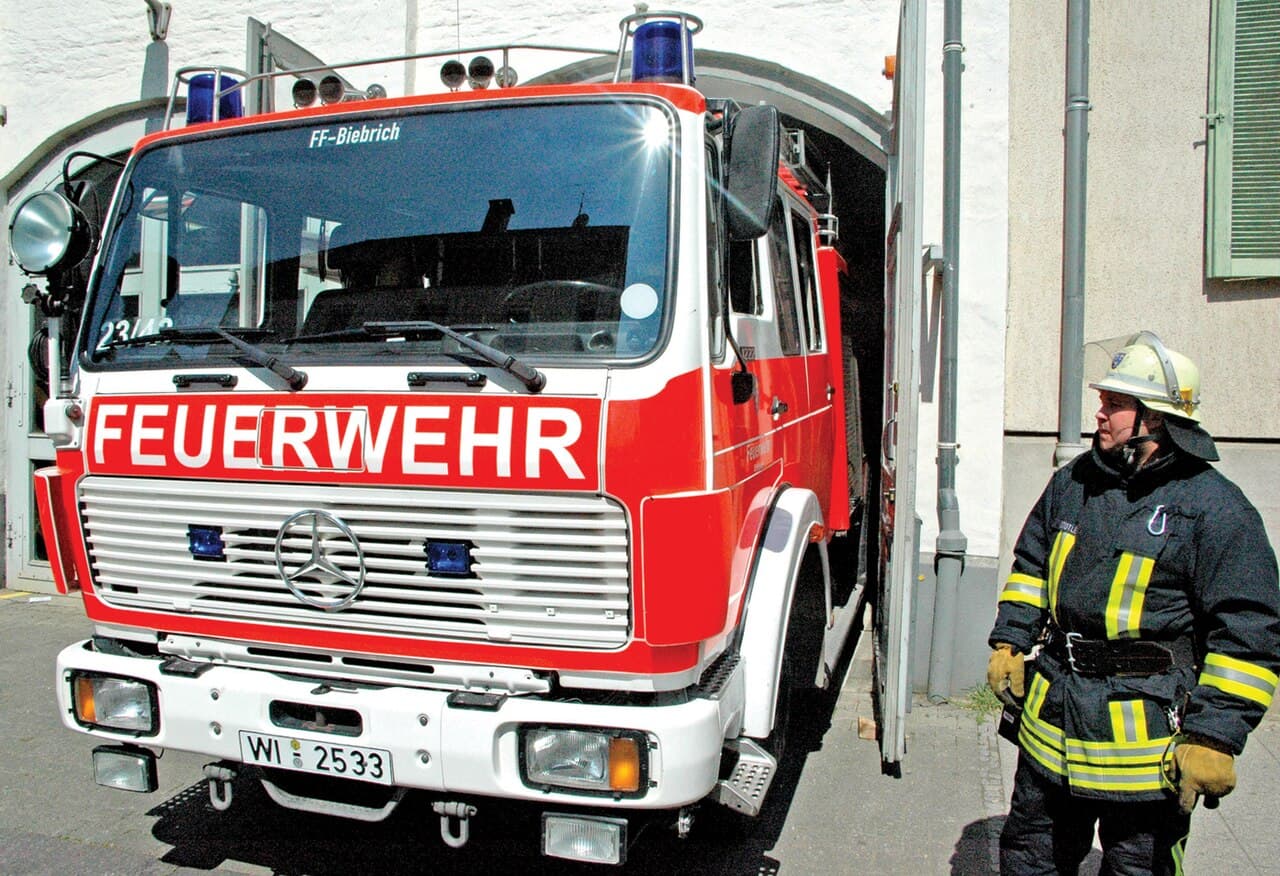
Wiesbaden's volunteer fire department is experiencing internal unrest following an anonymous letter and multiple emergency responses, including a suspected hazardous material incident and repeated false alarms, prompting scrutiny of leadership and protocols.
An anonymous letter has sparked unrest within the Wiesbaden Volunteer Fire Department. The group responded four times in one evening to suspected gas alarms that proved to be false, triggered by a foul-smelling fruit. The department comprises three professional fire brigade locations and 20 volunteer fire brigades. It is legally required to protect the public, individuals, and animals from fires, explosions, accidents, and other emergencies. These incidents occur against a backdrop of heightened emergency activity across western Germany, including wildfires in the High Venn region and Belgium’s Rhineland-Palatinate. The department’s use of a lightweight drone in emergency response illustrates its ongoing integration of new technology into operations.
Unrest Within the Volunteer Fire Service
An anonymous letter has sparked open criticism within the Wiesbaden volunteer fire network. Employees accuse management of poor resource allocation and opaque decision-making, particularly regarding the deployment of limited personnel and equipment across the 20 local brigades. The structure includes three professional fire station locations overseeing the volunteer force, which is legally mandated to protect public safety. Morale concerns have emerged amid multiple recent operations, including false alarms and precautionary responses. Governance questions are now under discussion within the ranks, though no formal complaints have been filed publicly. The situation reflects broader tensions in volunteer emergency services facing increasing demands and complex coordination challenges. According to reports, the letter specifically questioned the fairness of shift assignments and equipment access between brigades.
Radioactive Container and False Alarms Prompt Precautionary Measures
A container marked with a radioactivity symbol was found in a cellar in Wiesbaden, prompting temporary safety protocols and an investigation into how hazardous materials entered the building. The discovery occurred amid a series of false alarms that consumed emergency resources: the fire department responded four times to suspected gas leaks, only to trace each incident to a strongly scented fruit left to ripen indoors. These events highlighted the strain on triage systems and the difficulty of communicating false alarms without causing unnecessary public concern. Authorities emphasized that while the container posed no immediate threat, the incident underscored gaps in routine inspections and the need for clearer guidance on handling ambiguous warnings. According to reports, the fire department treated the find with standard caution, evacuating the cellar and involving hazmat specialists for assessment. Though the symbol was later confirmed to be outdated and non-functional, the episode contributed to growing frustration among volunteer ranks over operational burdens and unclear incident prioritization.
Drone Deployment and Technological Integration in Emergency Response
Wiesbaden's fire department has integrated a two-kilogram drone into its emergency response protocol to conduct aerial assessments before crews arrive on scene. The drone was deployed during an incident at a brickworks, providing real-time imagery to evaluate conditions ahead of firefighter deployment. As part of a pilot project, the drone features advanced technology aimed at improving operational efficiency. Activation occurs immediately upon alarm triggering, enabling faster situational awareness. While the specific event that prompted its use at the brickworks remains unspecified, the tool reflects broader modernization efforts within the city's fire service. This technological integration supports preemptive risk assessment in complex emergency scenarios, particularly in urban environments where situational clarity is critical upon arrival.
Regional Wildfire Activity and Cross-Border Emergency Coordination
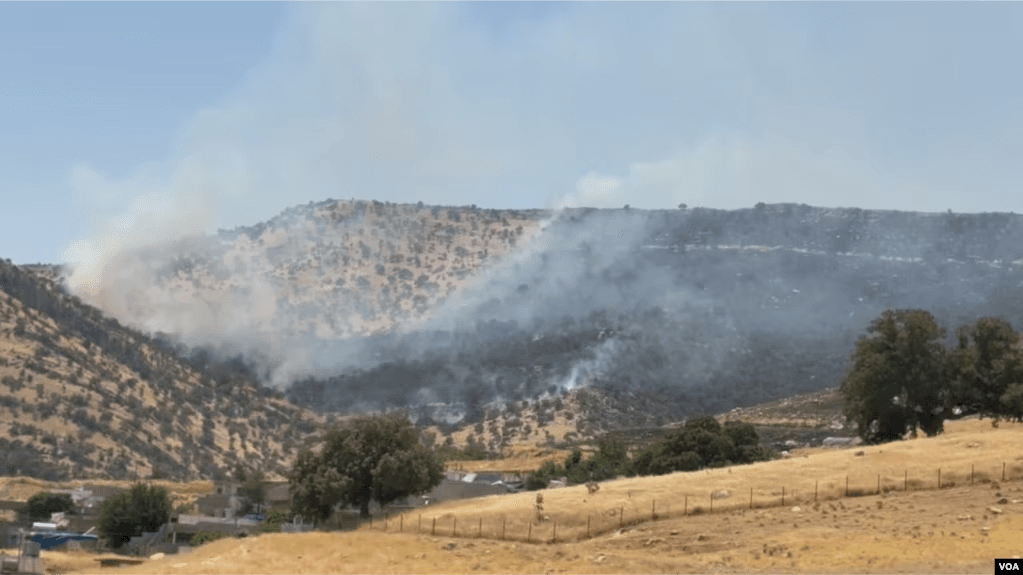
Vegetation fires in the High Venn nature reserve on the German-Belgian border have intensified, prompting partial evacuations in Monschau and drawing on regional emergency networks. According to reports, the area has experienced persistent smoke affecting nearby regions such as Mainz, with haze observed across Rhineland-Palatinate and North Rhine-Westphalia. The situation has required international assistance, particularly from groups like @fire International Disaster Response Germany, which operates under UN INSARAG coordination since 2010. Local fire services, including those in Wiesbaden, have been integrated into broader response efforts, leveraging cross-border protocols. While fire locations such as Monschau and the Hohes Venn reserve fall partly within Belgian territory, German emergency teams have supported containment and evacuation operations. These incidents reflect growing pressure on fire services amid expanding environmental emergencies, with shared resources and intelligence shaping coordinated interventions.
Legal Obligations and Institutional Role in Public Safety
The Wiesbaden Volunteer Fire Department operates under a legal mandate to protect public safety, individuals, animals, and property from fires, accidents, and emergencies as stipulated by German law. Its structure combines three professional fire brigade locations with 20 volunteer fire brigades, enabling a decentralized yet coordinated response. The department collaborates with national and international partners, including @fire International Disaster Response Germany, a UN-registered INSARAG member since 2010, to manage emergencies ranging from local incidents to cross-border crises. This hybrid model ensures rapid deployment capabilities while maintaining alignment with broader civil protection frameworks. The organization’s authority derives from statutory obligations to intervene in crises, supported by technological tools like drones in pilot projects to enhance situational awareness. Its role remains anchored in legal requirements to safeguard communities, reflecting a balance between local responsiveness and integration into Germany’s emergency management ecosystem.
Frequently asked questions
What caused the internal unrest in the Wiesbaden fire department?
An anonymous letter triggered internal unrest within the Wiesbaden fire department, according to reports.
Why was a radioactive symbol container found in Wiesbaden?
A container marked with a radioactivity symbol was discovered in a cellar in Wiesbaden, prompting precautionary measures by authorities.
How many volunteer fire brigades does the Wiesbaden fire department include?
The Wiesbaden fire department includes 20 volunteer fire brigades as part of its structure, according to established facts.
What is the role of @fire International Disaster Response Germany?
@fire International Disaster Response Germany is a German non-profit civil protection organization that assists during natural disasters and has been a member of the UN-Organisation INSARAG since 2010.
How many people were evacuated due to the wildfire in Monschau?
Thirty people were evacuated from Monschau due to heavy smoke from a wildfire in the High Venn region on the German-Belgian border, according to reports.