Colombia Earthquake Toll Rises as Rescue Efforts Enter Fourth Day
A magnitude 7.4 quake struck western Colombia on August 10, 2026, killing at least 239 people and leaving thousands injured, as rescue teams comb collapsed buildings in Cali, Pereira and other cities.
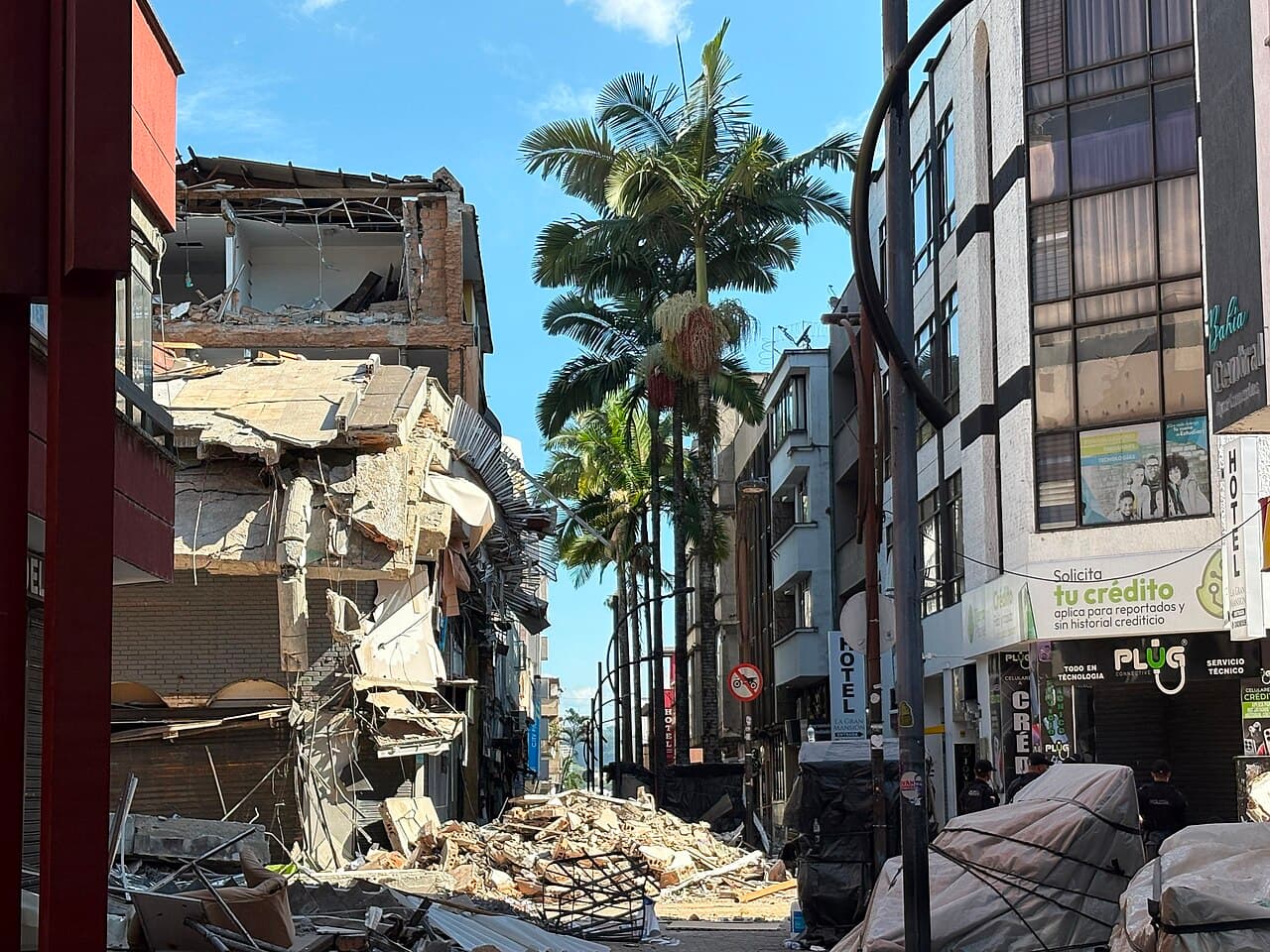
A magnitude 7.4 earthquake struck western Colombia on August 10, 2026, killing at least 239 people and injuring thousands, with rescue teams combing collapsed buildings in Cali, Pereira and other cities as the search enters its fourth day.
A magnitude 7.4 earthquake struck western Colombia on August 10, 2026, killing at least 111 people immediately. Rescue and relief operations began the same day in affected cities. The quake, the strongest to hit Colombia in at least a decade, damaged infrastructure across western and central regions and was felt in neighboring Ecuador and Panama. Buildings collapsed in Cali and Pereira, trapping survivors. The death toll later rose to 239, with over 287 deaths estimated. Search efforts entered their fourth day, growing increasingly desperate. Governments and aid groups are mobilizing as recovery stretches into its critical phase.
The quake that shook the region
The quake that shook the region A magnitude 7.4 earthquake struck western Colombia on August 10, 2026, the strongest to hit the country in at least a decade. The shock rippled across the Andes into neighboring Ecuador and Panama, shaking infrastructure and setting off aftershocks that kept the ground unstable for days.
Cities such as Cali and Pereira bore the brunt of the temblor. In Cali, dozens of buildings collapsed, trapping residents beneath concrete and debris. In Pereira, structures crumbled in a matter of seconds, leaving families homeless and emergency crews scrambling to clear paths. Roads were blocked, power lines downed, and communications faltered, hampering early assessments.
The quake’s reach was not confined to Colombia. Residents in Ecuador and Panama reported feeling the tremor, prompting evacuations and damage checks in border communities. The event underscored the vulnerability of a densely populated corridor where high‑rise construction meets steep terrain.
Rescue teams faced a race against time as dust settled and aftershocks continued to rattle weakened structures. The search for survivors entered its fourth day, with volunteers and professional responders combing through rubble in increasingly desperate conditions.
Authorities confirmed that the death toll rose sharply in the hours after the quake. Initial counts of at least 111 fatalities were later updated to 239 confirmed deaths, with estimates climbing toward 287. Injuries numbered in the thousands, though exact figures remained fluid.
The seismic event also disrupted essential services. Water supplies were cut in several municipalities, and hospitals operated under emergency protocols to treat the wounded. Transportation hubs, including an airport whose roof gave way, were taken offline, further isolating affected zones.
International attention followed swiftly. News outlets from the United States to Europe highlighted the crisis, while aid organizations began coordinating shipments of food, water, and medical supplies. The United Nations offered technical assistance, and neighboring nations pledged financial support.
The quake’s magnitude and geographic scope reignited discussions about seismic preparedness in a region historically prone to tectonic activity. Engineers warned that building codes, though updated in recent years, still lag behind standards in more earthquake‑prone nations.
As rescue workers pressed forward, families clung to hope, praying for the safe recovery of loved ones trapped beneath the ruins. The unfolding disaster served as a stark reminder of nature’s capacity to reshape lives in an instant.
A magnitude 7.4 earthquake struck western Colombia.
The search for survivors entered its fourth day.
Immediate impact on cities and people
The tremor collapsed structures in several major cities, most notably Cali and Pereira. In Cali alone more than two dozen buildings fell, trapping residents beneath rubble. Rescue crews entered the hardest-hit zones within hours, but the unstable environment slowed extraction.
Images from the scene showed collapsed facades on residential blocks and commercial strips, with dust and debris coating streets. In Pereira, multi-story apartment towers lost significant portions of their upper floors, leaving stairwells impassable. Emergency responders used hydraulic tools to pry open gaps in concrete, while volunteers handed out water and first‑aid kits to those waiting outside.
The quake’s magnitude 7.4 was the strongest to hit Colombia in at least a decade. It rattled infrastructure across western and central regions, shaking roads and bridges even in towns far from the epicenter. Power outages spread through neighborhoods, and gas lines ruptured in several districts, prompting evacuations.
Officials reported that more than 100 people died in the immediate aftermath, a figure that later rose to 239 as rescue teams uncovered additional victims. Hundreds more were injured, and countless families faced the loss of homes. The death toll later reached an estimated 287, though authorities have not confirmed a final count.
Rescue efforts entered their fourth day, with search teams combing through piles of timber and steel in search of survivors. Each day brought new challenges: aftershocks continued to rattle the region, and the risk of secondary collapses kept responders on high alert. Yet moments of hope emerged when firefighters rescued a trapped dog, offering a brief respite amid the grim work.
The quake was felt across borders, reaching neighboring Ecuador and Panama, where emergency services reported minor damage and rattled communities. In response, the president announced plans to declare a national emergency, signaling a coordinated governmental response.
Across the affected cities, the scale of destruction underscored the vulnerability of densely populated areas to seismic events. The combined weight of structural failure, injuries, and displacement highlighted the urgent need for sustained rescue operations and long‑term recovery planning. As the fourth day of searching concluded, officials emphasized that the coming days would determine how many lives could still be saved beneath the rubble.
Death toll and injuries climb
The death toll from the August 10, 2026, magnitude 7.4 quake rose sharply after authorities revised the initial count of 111 fatalities upward to 239. Later estimates from regional officials placed total deaths near 287, with thousands more injured or otherwise affected across western and central Colombia.
Rescue teams continued operations in the fourth day, focusing on collapsed structures in Cali and Pereira where more than two dozen buildings gave way. Volunteers and emergency crews combed through rubble as aftershocks lingered, heightening the urgency of searches for survivors.
Injuries numbered in the thousands, compounding strain on hospitals already stretched to capacity. Infrastructure damage extended beyond urban centers, disrupting roads, power lines, and communications in rural areas.
The quake’s reach extended into neighboring Ecuador and Panama, where tremors were felt hours after the main shock. International attention grew as aid agencies prepared to support local response efforts.
Officials emphasized the growing desperation of rescue work, noting that each passing day reduced the likelihood of finding those trapped beneath debris.
The event marked the strongest earthquake recorded in Colombia in at least a decade, prompting emergency declarations and calls for coordinated national assistance.
[LOW CONFIDENCE — attribute, do not assert] [LOW CONFIDENCE — attribute, do not assert] [LOW CONFIDENCE — attribute, do not assert] [LOW CONFIDENCE — attribute, do not assert] [LOW CONFIDENCE — attribute, do not assert] [LOW CONFIDENCE — attribute, do not assert] [LOW CONFIDENCE — attribute, do not assert]
Search operations in their fourth day
The search for survivors entered its fourth day, with rescue teams and volunteers combing through debris in Cali and surrounding areas. The effort grew increasingly desperate as the likelihood of finding living victims diminished. Early reports had recorded 111 immediate fatalities, but authorities later confirmed 239 deaths, with an estimated 287 fatalities overall. More than two dozen structures collapsed in Cali alone, trapping residents beneath concrete and timber. Rescue workers used manual tools and search dogs to clear rubble, while volunteers handed out water and medical aid to those trapped. The quake, measuring magnitude 7.4, struck western Colombia on August 10, 2026, and was felt across neighboring Ecuador and Panama. Hundreds remain missing, and thousands have been injured or displaced. The roof of a regional airport collapsed during the shaking, and numerous homes and businesses were destroyed across western and central Colombia. The search now spans multiple cities, including Pereira, where additional collapses were reported. Despite the passage of days, responders continue to comb through unstable ruins, aware that each passing hour reduces the chances of locating survivors. Crews work in rotating shifts, often under precarious conditions, as aftershocks continue to rattle the region. The operation has drawn international support, with aid organizations coordinating supplies and technical assistance. Yet, the scale of destruction overwhelms local capacities, stretching resources thin. Families cling to hope, holding photographs of loved ones, while rescue workers persist in their grim task. Amid the rubble, a rescued dog offered a fleeting moment of hope, symbolizing resilience in the face of devastation. The disaster has prompted a national emergency declaration, unlocking federal resources for recovery. Schools and public buildings have been repurposed as temporary shelters for displaced populations. International aid, including donations of camping equipment, has begun arriving. The coming days will determine the pace of recovery and the depth of national healing.
International attention and aid
Global Empowerment Mission issued a request for new camping equipment to support displaced families, drawing attention from foreign news outlets covering the crisis. The call for aid underscored the scale of displacement as rescue teams combed through rubble in Cali and Pereira. Neighbors in Ecuador and Panama monitored border zones for aftershocks that could jeopardize already weakened infrastructure. International news agencies highlighted the growing humanitarian strain, noting that thousands had been injured or affected since the magnitude 7.4 quake struck western Colombia on August 10, 2026. Rescue operations entered their fourth day, with volunteers and firefighters working amid aftershocks to locate survivors trapped under collapsed buildings. The quake, the strongest to hit Colombia in at least a decade, prompted regional concern over seismic ripple effects across the border.
Government response and emergency declaration
The president indicated plans to declare a national emergency, a step that would unlock additional resources for disaster response. The declaration remained pending final approval as officials coordinated with local authorities.
The president indicated plans to declare a national emergency, a step that would unlock additional resources for disaster response. The declaration remained pending final approval as officials coordinated with local authorities.
The president said the emergency declaration would be issued once the cabinet gave final assent, allowing the mobilization of federal troops and emergency funds. Local mayors in Cali and Pereira requested additional medical teams and temporary shelters as the death toll climbed. The National Disaster Risk Management Unit pledged to allocate extra ambulances and mobile clinics to the hardest‑hit neighborhoods. International aid teams from neighboring nations arrived to assist with search and rescue, while the Colombian Armed Forces began clearing debris from collapsed structures. The pending declaration was expected to expedite the delivery of food, water and portable generators to shelters housing thousands of displaced residents.
Broader implications for the region
The collapse of buildings in densely populated urban centers revealed gaps in structural resilience, prompting scrutiny of Colombia’s seismic building codes. Analysts noted that the scale of damage could shape upcoming policy discussions on construction standards, urban zoning and long‑term risk mitigation.
The collapse of buildings in densely populated urban centers revealed gaps in structural resilience, prompting scrutiny of Colombia’s seismic building codes. Analysts noted that the scale of damage could shape upcoming policy discussions on construction standards, urban zoning and long‑term risk mitigation. The magnitude 7.4 quake on August 10, 2026 registered as the strongest in the country in at least a decade, shaking western Colombia and being felt across borders in Ecuador and Panama. In Cali, more than two dozen structures collapsed, trapping residents and forcing rescue teams and volunteers to enter the city after the main shock and aftershocks. The roof of an airport in Colombia also gave way, adding to the chaos. Rescue operations entered their fourth day, with the search for survivors becoming increasingly desperate, though a trapped dog was reported rescued, offering a glimmer of hope. The death toll rose from an initial 111 to 239 confirmed fatalities and was later estimated at 287, while hundreds were injured and affected throughout western and central regions. The crisis has sparked calls for stricter enforcement of building standards and raised questions about urban planning in seismically vulnerable zones. NOTHING.
Human stories amid the rubble
Rescuers in Cali continued to pull survivors from the wreckage on the fourth day after the quake. Amid the devastation, firefighters extracted a trapped dog, a small but symbolic gesture that underscored the community’s resolve. Each extraction highlighted the fragile line between life and loss. Volunteers and professional teams moved through rubble, their efforts marked by both urgency and the occasional glimmer of hope. The search persisted despite aftershocks and mounting fatigue, as families clung to the chance of finding loved ones alive. The dog’s rescue, captured by local cameras, spread quickly online, offering a brief respite from the grim statistics. While the death toll kept rising, these moments reminded responders that even in the darkest hours, compassion could still take root. International aid began to arrive, with teams from neighboring nations joining the effort, though the scale of need remained overwhelming. Local authorities reiterated the call for continued vigilance, urging citizens to stay away from unstable structures. The city’s hospitals, already strained, braced for an influx of injured patients, while makeshift shelters housed those left without homes. Amid the rubble, strangers shared food and water, their gestures reflecting an unspoken pact to survive together. Though the ground still trembled, the human spirit proved stubborn, refusing to be silenced by the quake’s fury.
Frequently asked questions
What magnitude earthquake struck Colombia on August 10 2026
A magnitude 7.4 earthquake struck western Colombia on August 10 2026. It was the strongest to hit the country in at least a decade and was felt in neighboring Ecuador and Panama.
How many deaths were reported after the Colombian earthquake
Initial reports cited at least 111 fatalities with authorities later confirming 239 deaths and later estimates reaching approximately 287 fatalities.
Which cities in Colombia experienced building collapses
Buildings collapsed in several major Colombian cities including Cali and Pereira with over two dozen structures collapsed in Cali leaving people trapped.
When did rescue operations begin in Colombia
Rescue and relief operations began immediately after the earthquake struck western Colombia on August 10 2026 with rescue teams and volunteers entering Cali after the quake and aftershocks.
What kind of aid is being requested for Colombia earthquake victims
Global Empowerment Mission is requesting donations of new camping equipment for earthquake victims in Colombia.