Germany's Energiewende: A Quarter-Century of Transition
Germany's roughly quarter-century-long effort to move away from fossil fuels faces a reckoning as Berlin debates its future, with the success of the Energiewende potentially serving as a model for other countries, according to.
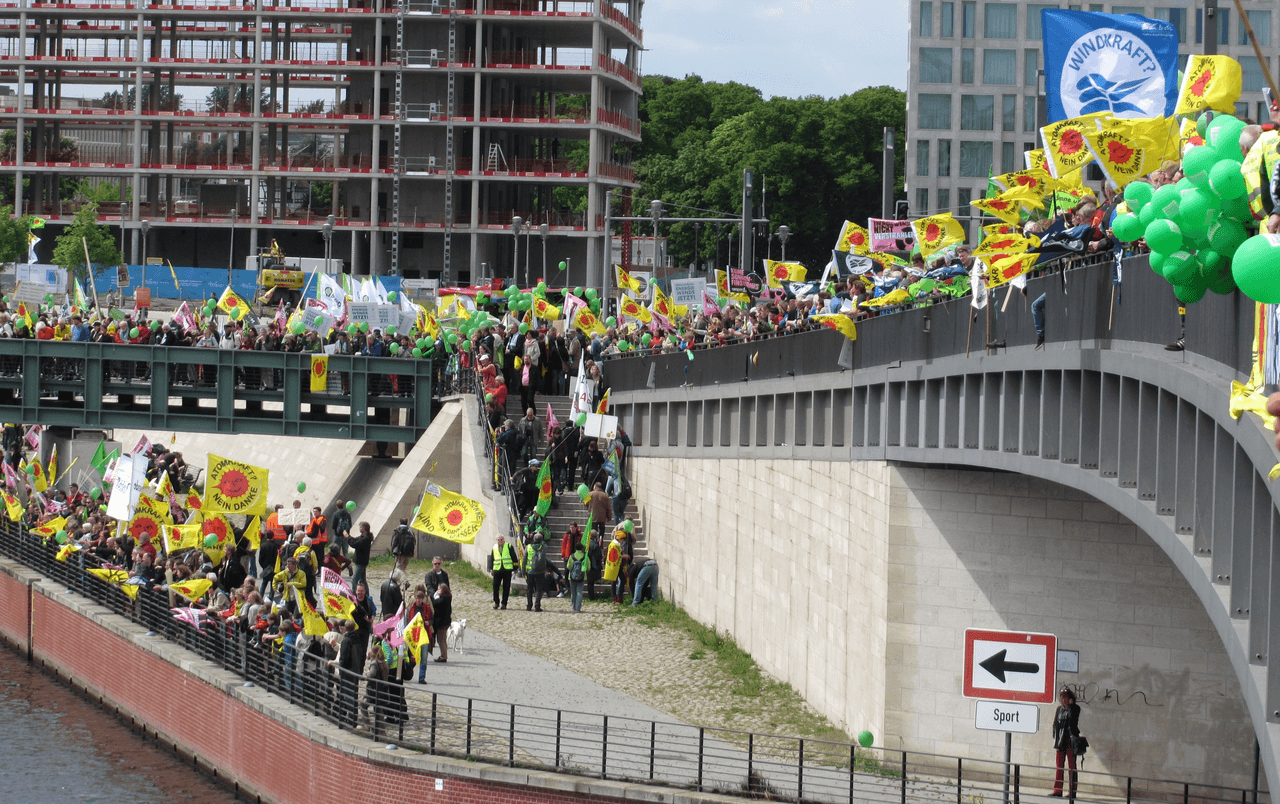
Germany's Energiewende is a quarter-century effort to transition from fossil fuels to renewable energy, aiming for a nearly carbon-free energy supply, with its success potentially serving as a model for other countries.
Germany has been transitioning from a fossil-fuel-based energy supply to a system built on renewable energy for roughly a quarter of a century. This effort, known as the Energiewende, aims to rely heavily on renewable energy, energy efficiency, and energy demand management. In 2015, Germany added more renewable power capacity than in any previous year. The Energiewende is part of a broader international trend, as countries like India and China also seek to reduce their dependence on oil and gas. This shift away from fossil fuels creates new geopolitical risks, ranging from critical minerals to global supply chains. The term Energiewende, coined in Germany, has become internationally recognised as an example of the country's approach to energy policy. The success of Germany's Energiewende could serve as a model for other countries, making its progress significant. As Berlin debates the future of its energy system, the challenges and criticisms surrounding the Energiewende have come to the forefront, prompting a reckoning of the country's roughly quarter-century-long effort to move away from fossil fuels.
The Energiewende's Goals and Challenges
The Energiewende's Goals and Challenges Germany's Energiewende aims to transition from a fossil-fuel-based energy supply to a system built on renewable energy. The new energy system relies heavily on renewable energy, energy efficiency, and energy demand management. This shift also encompasses the phase-out of nuclear power in Germany. The goal is a nearly carbon-free energy supply, but intermittency of renewable generation remains a problem. According to reports, Germany has made significant progress, adding more renewable power capacity in 2015 than in any previous year.
International Context and Geopolitical Risks
The shift away from fossil fuels creates new geopolitical risks, ranging from critical minerals to global supply chains. Countries like India and China are also aiming to reduce their dependence on oil and gas through the energy transition. This international context underscores the complexity of the Energiewende, as Germany's efforts to transition to renewable energy are intertwined with global developments. The energy transition is a global phenomenon, with multiple countries navigating similar challenges and opportunities, and Germany's experience will be watched closely by other nations.
Agora Energiewende founded
Germany adds more renewable power capacity than in any previous year
German government introduces strict limits on future renewable expansion
Germany's long-running shift from fossil fuels to renewables faces a reckoning as Berlin debates its future
Debate and Criticism
Reports suggest that public support for the Energiewende is waning because of rising energy costs. According to some critics, the Energiewende began well but is faltering due to insufficient investment in grid expansion and storage technology. EnBW CEO Georg Stamatelopoulos is among those who believe that rising energy costs are eroding public support for the transition. Critics argue that the intermittency of renewable generation remains an unresolved problem, posing a significant challenge to Germany's goal of a nearly carbon-free energy supply.
The Role of Agora Energiewende and Other Stakeholders
Agora Energiewende, a think tank founded in 2012, supports Germany's transition to clean energy. Funded by Stiftung Mercator and the European Climate Foundation, it plays a key role in the country's Energiewende. Other stakeholders, such as the Heinrich Böll Foundation, examine options for German policymakers to shape the European debate on the Energiewende. These organisations contribute to the discussion on Germany's energy transition, with Agora Energiewende focusing on the shift to renewable energy, energy efficiency, and energy demand management. Their work helps inform the country's efforts to rely heavily on renewable energy and reduce its dependence on fossil fuels.
Frequently asked questions
What is Energiewende?
Energiewende is Germany's transition from a fossil-fuel-based energy supply to a system built on renewable energy.
When was Agora Energiewende founded?
Agora Energiewende was founded in 2012 and is funded by Stiftung Mercator and the European Climate Foundation.
What year did Germany add most renewable power capacity?
Germany added more renewable power capacity in 2015 than in any previous year, but then introduced strict limits on future expansion.
What is the goal of Germany's Energiewende?
Germany's Energiewende aims for a nearly carbon-free energy supply, relying heavily on renewable energy, energy efficiency, and energy demand management.
Who supports the Energiewende in Germany?
Agora Energiewende, a think tank, supports the transition to clean energy in Germany, alongside other organisations like the Heinrich Böll Foundation.