Germany grapples with record heat deaths, drought and energy strain as Europe sweats through summer
An estimated 11,900 heat-related deaths in Germany this year have intensified focus on drought, low Danube water levels and energy supply risks across Central and Southeastern Europe.

An estimated 11,900 people in Germany have died from heat this year according to the Robert Koch Institute, with drought and low Danube water levels threatening energy supplies and agriculture across Central and Southeastern Europe.
An estimated 11,900 people in Germany have died so far this year as a result of high temperatures, according to figures from the Robert Koch Institute. Drought and heat are stressing German forests, driving water levels in the Danube to historic lows, and prompting river cruise operations to halt in Hungary. The reduced flow threatens energy supplies in Central and Southeastern Europe, with Hungary and Romania sliding into an energy crisis while Bulgaria is viewed as better prepared. Warm river water is also forcing nuclear power plants to cut output, removing several gigawatts on peak days and tightening electricity grids across the region. The scale of the heatwave matters now because it combines immediate health losses with cascading risks to energy, agriculture, and infrastructure, while scientists warn that such extremes will become more frequent and intense.
Heat deaths and demographic strain
The Robert Koch Institute estimates that around 11,900 people in Germany have died so far this year as a result of high temperatures. The figure comes from epidemiological modelling and reflects a sharp rise compared with previous summers. Researchers say the increase is tied to longer heatwaves, urban heat islands and a growing share of elderly residents living alone. Jörg Poppendieck of the German Weather Service notes that mortality spikes are most pronounced during prolonged periods of nighttime temperatures above 25 °C, when cooling systems are less effective. The demographic strain is compounded by regional disparities in access to air‑conditioned housing and health services, particularly in eastern states where older populations are concentrated. While the overall proportion of deaths attributable to heat remains a minority of total mortality, the upward trend has prompted calls for targeted heat‑action plans, including early‑warning systems, cooling centres and outreach to vulnerable households. Experts also highlight that the 11,900 estimate is a projection for the entire calendar year, meaning the true summer toll may be higher once all seasonal data are finalised. The institute’s modelling draws on hospital admission records, mortality registries and climate forecasts, aiming to provide a baseline for policy discussion. Whether the number will be revised upward or downward remains uncertain, but the current assessment underscores how heat is emerging as a public‑health challenge that intersects with ageing, urban design and social isolation.
Several European countries experienced record-breaking heat in June.
An alcohol ban was imposed during the Fête de la musique festival in Paris because of the heat.
An estimated 11,900 people in Germany have died as a result of high temperatures, according to the Robert Koch Institute.
Drought reshapes agriculture and waterways
Drought and extreme heat have damaged German forests and farmland. Low water in the Rhine and Danube exposed archaeological finds, including items from before the Second World War. The Danube at Düsseldorf fell to 15 centimetres, below the 1931 record of 20 centimetres. River traffic halted, raising transport costs and cutting supply chains. Farmers grow new varieties and change planting dates to cope. Water stress forces early harvests and limits yields. The dry soil also raises fire risk in forests. Researchers warn that heatwaves will become more frequent and intense. Without adaptation, crop losses and ecosystem damage could deepen. The situation illustrates how climate stress reshapes both nature and society.
The drought has accelerated shifts in German agriculture. Farmers in the Reutlingen district are adopting drought‑tolerant wheat varieties and planting cover crops to preserve soil moisture. The Kreisbauernverband reports early harvests of winter barley, with yields down by up to 12 percent in the most affected regions.
River transport on the Danube has been disrupted for weeks. At Düsseldorf the water level fell to 15 centimetres, well below the 1931 record of 20 centimetres. The low level has exposed archaeological artefacts dating from before the Second World War along the riverbanks. River cruise operators in Hungary and Romania have cancelled trips, citing unsafe navigation conditions.
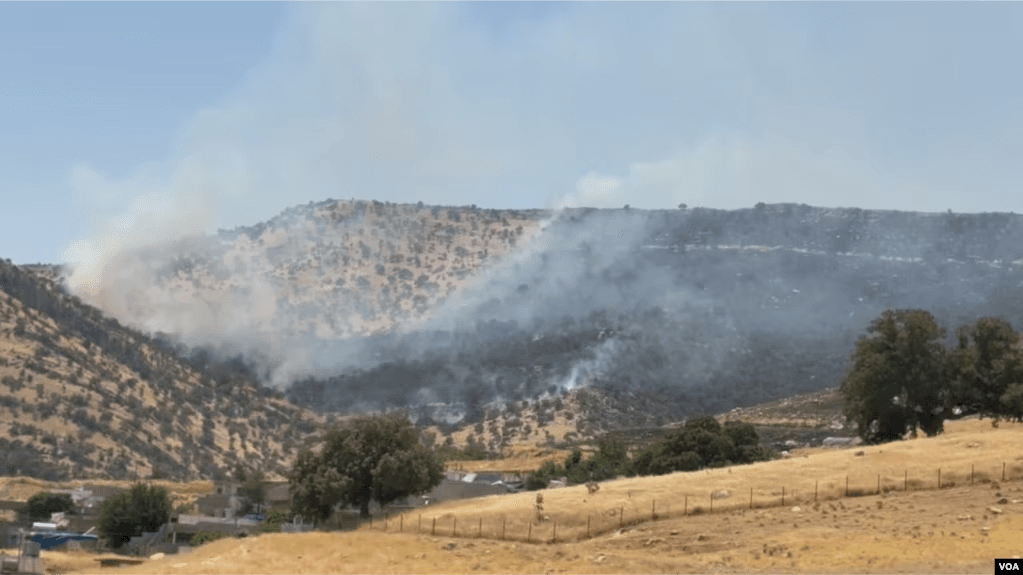
Heat‑related stress on forests has increased fire risk. The German Forestry Council notes a rise in forest fires this summer, with several incidents reported in Brandenburg and Saxony.
The energy sector is also feeling the impact. Warm river water has forced several nuclear reactors to reduce output, removing several gigawatts of capacity on peak days. The reduced generation has contributed to higher electricity prices across Central Europe.
Overall, the combined pressure on water resources, agriculture and energy infrastructure underscores the breadth of the climate stress affecting Germany and neighbouring countries.
Energy crisis on the Danube corridor
Hungary and Romania are sliding into an energy crisis as falling Danube water levels threaten electricity generation, though Bulgaria is viewed as better prepared than neighbours to manage the impact on power supply.
Low water levels on the Danube, caused by prolonged heat and drought, have reduced output at hydroelectric plants and limited cooling capacity at nuclear facilities downstream. Several gigawatts of capacity are curtailed on critical days, stressing grids from Central Europe into the Balkans. Bulgaria’s energy infrastructure, upgraded in recent years, can absorb the shortfall through reserve capacity and diversified sources, officials say.
In contrast, Hungary and Romania rely heavily on Danube‑fed generation and face tighter margins. The situation coincides with record‑breaking June heat across several European countries, prompting emergency measures such as an alcohol ban at the Fête de la musique festival in Paris. Experts warn that more frequent and intense heatwaves will heighten pressure on the corridor’s power networks.
According to the Robert Koch Institute, an estimated 11,900 heat‑related deaths have occurred in Germany so far this year. Warm rivers and low water levels are also forcing nuclear plants to reduce output, removing several gigawatts of capacity on critical days and affecting electricity prices across Europe. Despite these stresses, the full‑year energy losses from heat‑related curtailments remain small.
The drought has also exposed historical artifacts along the Danube’s bed near Düsseldorf, where water levels have fallen to 15 centimetres, below the previous record of 20 centimetres set in 2022. Animal shelters in Germany are struggling with overcrowding combined with high temperatures, reflecting broader societal strains.
Research published by DW notes that 98 percent of active climate researchers agree that climate change is happening and is human‑caused, yet a new study indicates a rise in climate‑skeptic sentiment in Germany. Farmers, adapting to extreme weather, are turning to new crop varieties and modern breeding techniques. Many homes, however, lack design features to cope with prolonged high temperatures, and air‑conditioning is not seen as the preferred adaptation path.
Heatwaves are projected to become more common and severe, a trend that could push the summer of 2026 toward becoming the hottest on record, according to a report cited by multiple outlets. Meanwhile, Mediterranean sea temperatures have reached 32 degrees Celsius, and Naples recorded
Climate research and public perception
A new study has found that climate scepticism in Germany is on the rise, even as 98 percent of active climate researchers confirm that climate change is happening and is driven by human activity. The consensus is reflected in statements from major scientific bodies, including the Robert Koch Institute, which has long warned of rising heat‑related mortality. Researchers note that public doubt has grown despite the overwhelming scientific agreement, a trend that mirrors broader European debates over climate policy. The study highlights a gap between expert consensus and public perception, suggesting that communication efforts have not fully closed the divide. While institutions continue to stress the urgency of adaptation measures, the increasing scepticism poses challenges for policymakers seeking broad support for mitigation and resilience strategies. Addressing this disconnect is now seen as critical for effective climate action across Germany.
Adaptation in housing and daily life
German homes were built for cold, not the 48‑degree Celsius days now recorded in Naples. Many lack insulation, shading and ventilation that can sustain indoor temperatures during prolonged heat. Older apartments, especially in dense urban blocks, trap heat and offer little relief. Experts say relying on air‑conditioning is not the best solution; it adds to electricity demand and can worsen grid strain during peak loads. Instead, they recommend passive cooling measures such as closing blinds during midday, opening windows at night, and using fans to promote airflow. Behavioural changes—like reducing physical activity, staying hydrated and checking on elderly neighbours—are crucial, particularly for vulnerable groups. Some municipalities are retrofitting roofs with reflective coatings and creating shaded public spaces. Luisa Neubauer of Fridays for Future stresses that adaptation must be coupled with rapid emissions cuts, while Jörg Poppendieck of the Robert Koch Institute warns that without targeted housing upgrades, heat‑related mortality could rise sharply as heatwaves become more frequent and intense.
European heatwave ripple effects
Record temperatures across Europe in June broke seasonal norms, with Naples recording 48 degrees Celsius and Mediterranean sea surface temperatures reaching 32 degrees Celsius. In Italy, heat and strong winds hampered firefighting near Lake Garda, where crews focused on protecting residential buildings; containment status remains unverified. Drought-driven low water levels on the Danube exposed historical artifacts, including items predating the Second World War, and reduced river navigation to near standstill in Hungary. Reduced flows on the Rhine at Düsseldorf fell to 15 centimetres, a level not seen since 1931, threatening barge traffic and hydroelectric generation. Nuclear plants across France and Germany curtailed output on hot days, removing several gigawatts from grids and pushing wholesale power prices higher. Bulgaria is regarded as better prepared than neighbours for such supply shocks, though overall resilience remains uneven. Experts note that while full-year energy losses from heat curtailments are modest, short-term deficits strain markets during peak demand. The European Environment Agency projects more frequent, intense heatwaves, urging adaptation in infrastructure, agriculture and public health. Air conditioning adoption remains limited in German homes, where many buildings lack design features for sustained high temperatures. Climate researchers attribute rising heat-related mortality to demographic shifts and urban heat island effects, urging policy integration across sectors.
Scientific assessment of extreme heat
Meteorologists explain that confirming a summer as the hottest on record requires analysing long-term temperature series, applying homogenisation to remove station-specific artefacts, and benchmarking results against peer-reviewed studies. The process relies on decades of observations, statistical adjustments, and transparent methodology, though some observers continue to question the data. Researchers stress that while uncertainties exist, the overall trend of rising temperatures is clear and supported by the overwhelming majority of climate scientists. This rigorous assessment underpins public communication about the increasing frequency and intensity of heatwaves across Europe. The analysis remains a cornerstone for understanding climate impacts, even as debates about specific records persist. According to reports, experts note that the methodology, while robust, continues to face scrutiny from those who doubt the data. Their work ensures that heat assessments reflect the most accurate picture possible.
Future outlook and preparedness
Experts warn that heatwaves will become more frequent and intense, urging updates to building codes, expanded cooling centres and revised agricultural practices. The German federal government is reviewing measures to strengthen resilience ahead of the 2026 summer season, aiming to protect vulnerable groups and critical infrastructure.
According to estimates by the Robert Koch Institute, around 11,900 people in Germany have died this year from high temperatures. Drought and heat are stressing forests and lowering Danube water levels, halting cruise ships and threatening electricity supply in parts of Central and Southeastern Europe. Warm rivers are forcing nuclear plants to cut output, removing several gigawatts of capacity on critical days and affecting grids and prices across Europe. Although annual energy losses from heat‑related curtailments are small, the trend signals growing strain on the energy system.
Only 98 percent of active climate researchers agree that climate change is happening and human‑caused, yet a new study shows climate scepticism in Germany is rising. Farmers are adapting with new varieties and methods, while many homes lack design features for prolonged heat and air‑conditioning is not seen as the optimal solution.
Record‑breaking June heat swept several European countries, and temperatures in Naples reached 48 degrees Celsius, with Mediterranean sea water at 32 degrees Celsius. Lake Garda experienced a wildfire that was exacerbated by heat and strong winds, though details on containment remain uncertain. Low Danube levels exposed historical artifacts, and water levels at Düsseldorf fell to 15 centimetres, a level last seen in 1931.
Future heatwaves are expected to occur more often and with greater intensity. The German government is assessing policies to update building standards, expand cooling infrastructure and adapt agriculture, aiming to improve preparedness for the
Frequently asked questions
How many people have died in Germany from heat this year?
The Robert Koch Institute estimates around 11,900 heat-related deaths in Germany so far this year.
Why are Danube water levels low?
Heat and drought have lowered the Danube, halting cruise ships, threatening electricity supply, and exposing artifacts.
How does heat affect nuclear power plants?
Warm rivers force nuclear plants to reduce output; curtailments remove several gigawatts on critical days, affecting grids and prices.
What is the Mediterranean Sea water temperature?
Water temperatures in the Mediterranean Sea reached 32 degrees Celsius during the heatwave.
How are German farmers adapting to heat and drought?
Farmers are using adapted varieties, new crops, modern breeding and changed cultivation methods to respond to extreme weather.