Europe's Extreme Heatwave: Wildfires and Record-Breaking Temperatures
A severe heatwave is sweeping across Europe, causing devastating wildfires, record-breaking temperatures, and widespread disruption, with over 150 million people affected and economic costs estimated to reach 180 billion euros.
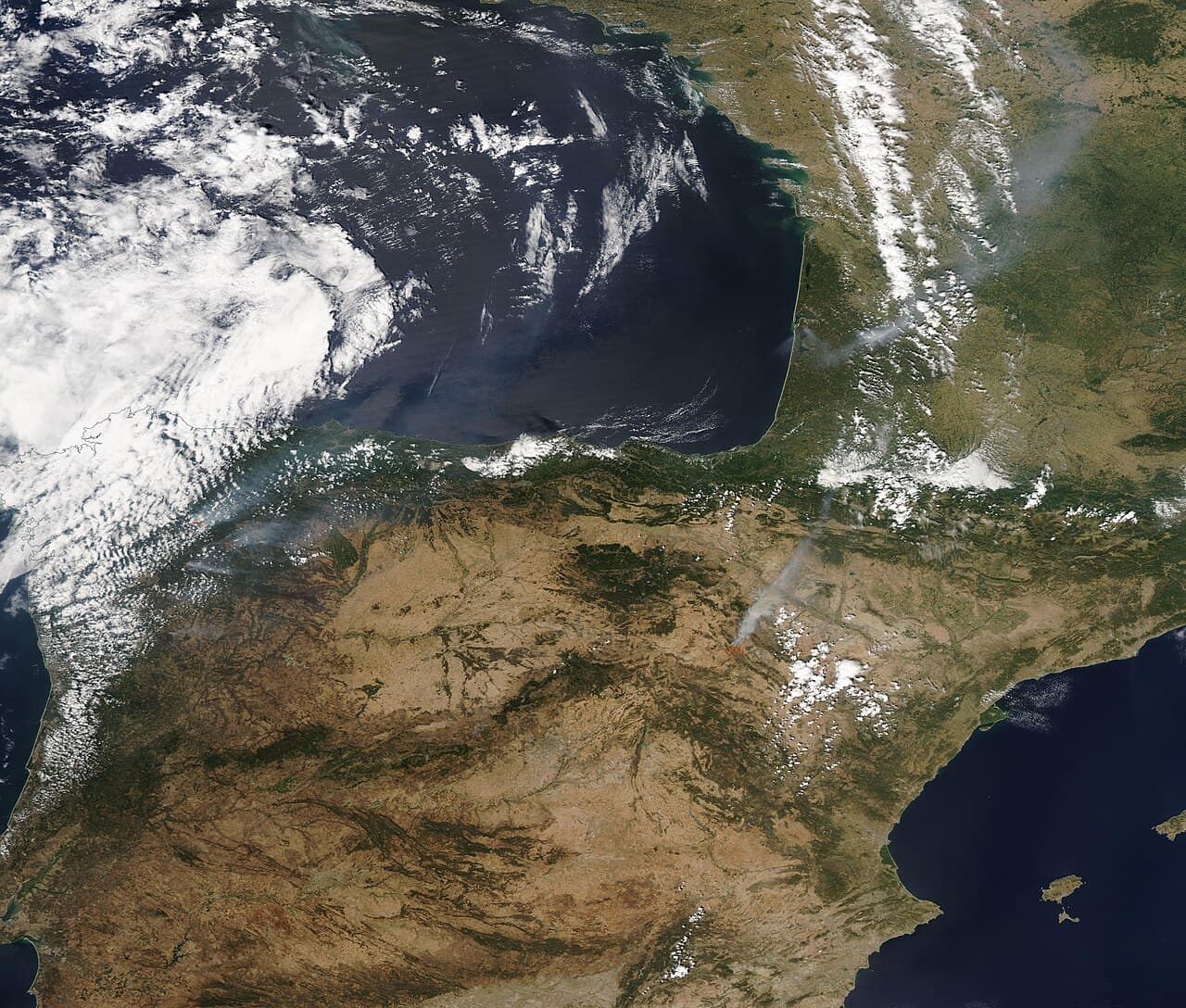
Europe is battling severe heatwaves and extensive wildfires as temperatures exceed 30C for half the population and climb above 35C for 150 million people. The crisis has triggered droughts across England and Wales, forced the shutdown of Romania's Cernavoda nuclear reactor, and caused widespread disruptions.
Extensive wildfires have caused devastation in England, with four people taken to hospital in Stourbridge, West Midlands, and 500 people evacuated in southwest France. The Danube river has dropped to record low levels, forcing Romania to shut down its last nuclear reactor at Cernavoda and affecting power supplies in neighbouring Moldova. Europe is experiencing extreme heat, with temperatures above 35C affecting 150 million people across the continent. This is part of a larger climate crisis that is causing Europe to warm twice as fast as any other continent, leading to deadly heatwaves and tens of thousands of heat-related deaths this summer. The climate crisis has been exacerbated by several severe heatwaves that affected Europe starting in late May 2026. The current heatwave matters now because it is having a widespread impact on the continent, with half of Europe's population exposed to temperatures exceeding 30C. The whole of Wales and some 71.3 per cent of England is now in drought, and summer conditions are fuelling the already dire pothole crisis in the UK, which costs motorists an annual £3.3bn in vehicle repairs.
Heatwave Hits Europe
Europe is battling scorching heat and raging wildfires as multiple countries face another wave of extreme summer weather. According to reports, half of Europe's population is exposed to temperatures exceeding 30C, with 150 million people affected by temperatures above 35C. The Danube river has dropped to record low levels, forcing Romania to shut down its last nuclear reactor and affecting power supplies in neighboring Moldova. Extensive wildfires have caused devastation in England, with four people taken to hospital in Stourbridge, West Midlands, and 500 people evacuated in southwest France. The whole of Wales and 71.3 per cent of England are now in drought, exacerbating the already dire pothole crisis in the UK, which costs motorists an annual £3.3bn in vehicle repairs. As the heatwave tightens its grip on Europe, the continent is experiencing its fifth major heatwave of the summer, with temperatures expected to soar to 42C in some areas.
Summer 2026 in Europe is expected to be the hottest ever, with economic costs estimated at 180 billion euros and serious environmental damage.
Several severe heatwaves affected Europe starting in late May 2026, breaking temperature records in Austria, Belarus, Belgium, Czechia, Denmark, France, Germany, Hungary, Ireland, Italy, the Netherl
Europe wildfire tracker: France and Spain at extreme risk of new fires as temperatures soar to 42C - The continent is facing its fifth major heatwave of the summer ...
A new round of extreme heat is expected across Europe, and Spain could hit 107.6 degrees Fahrenheit (42 degrees Celsius) as fire danger increases in many parts of the continent.
The most intense heat is expected across Western and Southern Europe, with France, Italy and Spain among the hardest-hit countries, while the Balkans and the United Kingdom are also sweltering under
Europe is experiencing its fifth heatwave of a record-breaking summer
European wildfires have scorched the continent, marking some of the most damaging wildfires in its history
Fire tornadoes have reached Europe and can rapidly change fire behaviour, making firefighting more dangerous
Large fires are burning in France, Spain, Greece, Turkey and Germany amid extreme heat conditions
Extreme heat is tightening its grip on Europe from the Mediterranean to Scandinavia, setting local temperature records and fueling wildfires, violent storms and growing safety risks
Background: Europe's Climate Crisis
Europe is in the grip of a severe climate crisis, with the continent warming at a rate twice as fast as any other. This has led to a series of deadly heatwaves and tens of thousands of heat-related deaths this summer. The extreme heat is causing widespread problems across the United Kingdom and Europe, with half of Europe's population exposed to temperatures exceeding 30C. Temperatures above 35C are affecting 150 million people across the continent, leading to extensive wildfires and devastation in several countries, including England, where four people were taken to hospital in Stourbridge, West Midlands, and 500 people were evacuated in southwest France.
The climate crisis is also having a significant impact on Europe's environment and infrastructure. The Danube river has dropped to record low levels, forcing Romania to shut down its last nuclear reactor at Cernavoda and affecting power supplies in neighbouring Moldova. The whole of Wales and 71.3 per cent of England are now in drought, exacerbating the already dire pothole crisis in the UK, which costs motorists an annual £3.3bn in vehicle repairs. As the continent struggles to cope with the extreme heat, the risk of wildfires and heat-related deaths continues to rise, with large fires burning in several countries, including France, Spain, Greece, Turkey, and Germany.
Wildfires Rage Across the Continent
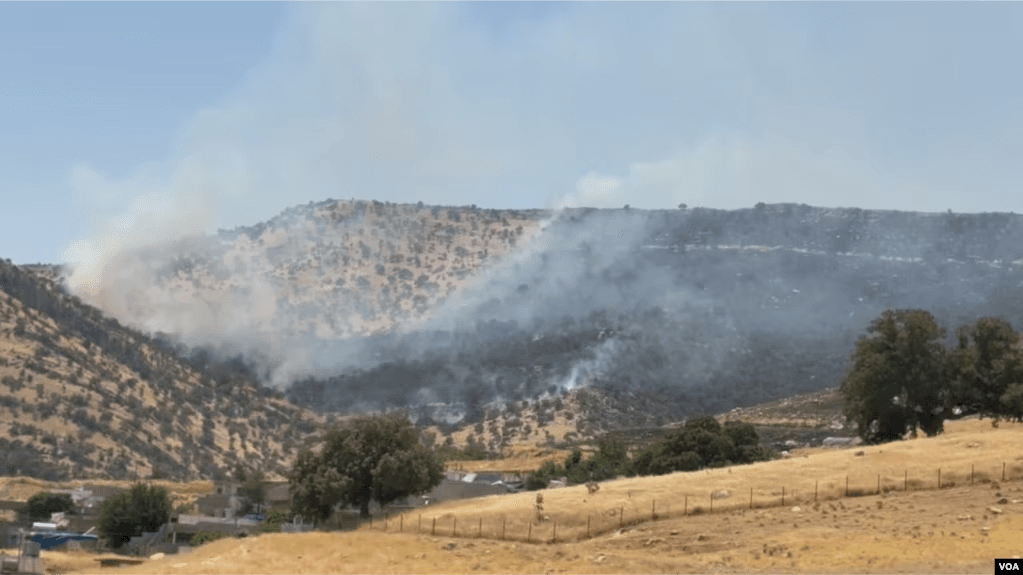
Extensive wildfires have swept across Europe, causing devastation and forcing evacuations. In England, wildfires have damaged homes, with four people taken to hospital in Stourbridge, West Midlands. Meanwhile, 500 people were evacuated in southwest France as flames engulfed the region. According to reports, large fires are burning in France, Spain, Greece, Turkey, and Germany, fueled by extreme heat conditions. The European wildfire tracker indicates that France and Spain are at extreme risk of new fires as temperatures soar to 42C. The continent is facing its fifth major heatwave of the summer, with fire danger increasing in many parts of Europe. Reports suggest that fire tornadoes have reached Europe, rapidly changing fire behavior and making firefighting more dangerous. As the situation continues to unfold, European countries are struggling to contain the blazes and protect their citizens from the raging wildfires.
Temperature Records Shattered
Temperature Records Shattered Several severe heatwaves have affected Europe, starting in late May 2026. Temperatures above 35C are affecting 150 million people across the continent. France, Italy, and Spain are among the hardest-hit countries, with temperatures soaring to 42C. According to reports, Europe is experiencing its fifth heatwave of a record-breaking summer, with economic costs estimated at 180 billion euros and serious environmental damage. The extreme heat is tightening its grip on Europe, from the Mediterranean to Scandinavia, setting local temperature records and fueling wildfires. Reports suggest that large fires are burning in France, Spain, Greece, Turkey, and Germany amid extreme heat conditions, marking some of the most damaging wildfires in European history.
Emergency Response and Reactions
Governments and authorities across Europe have scrambled to respond to the extreme heatwave and wildfires. In the United Kingdom, an emergency Cobra committee meeting was chaired by Prime Minister Andy Burnham to address the crisis. Meanwhile, Romania was forced to shut down its last nuclear reactor at Cernavoda due to the record low levels of the Danube river, affecting power supplies in neighboring Moldova. In England, four people were taken to hospital in Stourbridge, West Midlands, and 500 people were evacuated in southwest France as wildfires caused devastation. Authorities are working to evacuate people from affected areas and provide aid to those in need. The emergency responses aim to mitigate the impact of the heatwave and wildfires, which have already caused widespread disruption and damage across the continent.
What's Next: Forecast and Preparations
As Europe braces for another wave of extreme heat, forecasts indicate that temperatures will continue to soar, with Spain potentially reaching 107.6 degrees Fahrenheit. According to reports, the continent is facing its fifth major heatwave of the summer, with France and Spain at extreme risk of new fires. Preparations are underway to mitigate the consequences of the heatwaves, including evacuations and firefighting efforts. The UK is also taking measures to address the drought, which has affected 71.3 per cent of England. As the situation continues to unfold, officials are urging citizens to take necessary precautions to stay safe during the extreme heat. With the economic costs of the heatwave estimated to reach 180 billion euros, the continent is gearing up for a long and challenging summer ahead.
Frequently asked questions
What parts of Europe are affected by the extreme heatwaves?
Several severe heatwaves have affected Europe starting in late May 2026, breaking temperature records in Austria, Belarus, Belgium, Czechia, Denmark, France, Germany, Hungary, Ireland, Italy, the Netherlands, Poland, Romania, Slovakia, Slovenia, Spain, Switzerland, and the United Kingdom. Reports suggest the most intense heat is expected across Western and Southern Europe, with France, Italy, and Spain among the hardest-hit countries.
How are extreme temperatures and droughts impacting the United Kingdom?
The extreme weather has caused extensive wildfires in England, leaving four people hospitalised in Stourbridge, West Midlands. The whole of Wales and some 71.3 per cent of England are now in drought. Additionally, summer conditions are worsening the UK pothole crisis, which costs motorists an annual £3.3bn in vehicle repairs, and an emergency Cobra committee meeting on extreme heat was chaired by Prime Minister Andy Burnham.
What is the impact of the heatwave on energy supplies and rivers in Europe?
The Danube river has dropped to record low levels, forcing Romania to shut down its last nuclear reactor at Cernavoda and affecting power supplies in neighbouring Moldova. Meanwhile, reports suggest that solar generation dropped during a solar eclipse, but the electricity grid remained stable as gas-fired generators compensated for the shortfall.
What are the expected temperatures and wildfire risks in countries like France and Spain?
Reports suggest that Europe is facing its fifth major heatwave of the summer, with France and Spain at extreme risk of new fires as temperatures soar to 42C, or 107.6 degrees Fahrenheit. Reports also indicate that 500 people have been evacuated in southwest France due to extensive wildfires.
How many people in Europe are currently affected by the extreme heat?
Half of Europe's population is exposed to temperatures exceeding 30C. Furthermore, Europe is experiencing extreme heat, with temperatures above 35C affecting 150 million people across the continent.