Europe and UK grapple with record‑breaking wildfires amid heatwave and global crises
A swath of wildfires across Europe and the United States, driven by an unprecedented heatwave, has devastated homes, injured responders and prompted emergency measures while authorities confront a surge in suspected arson cases.
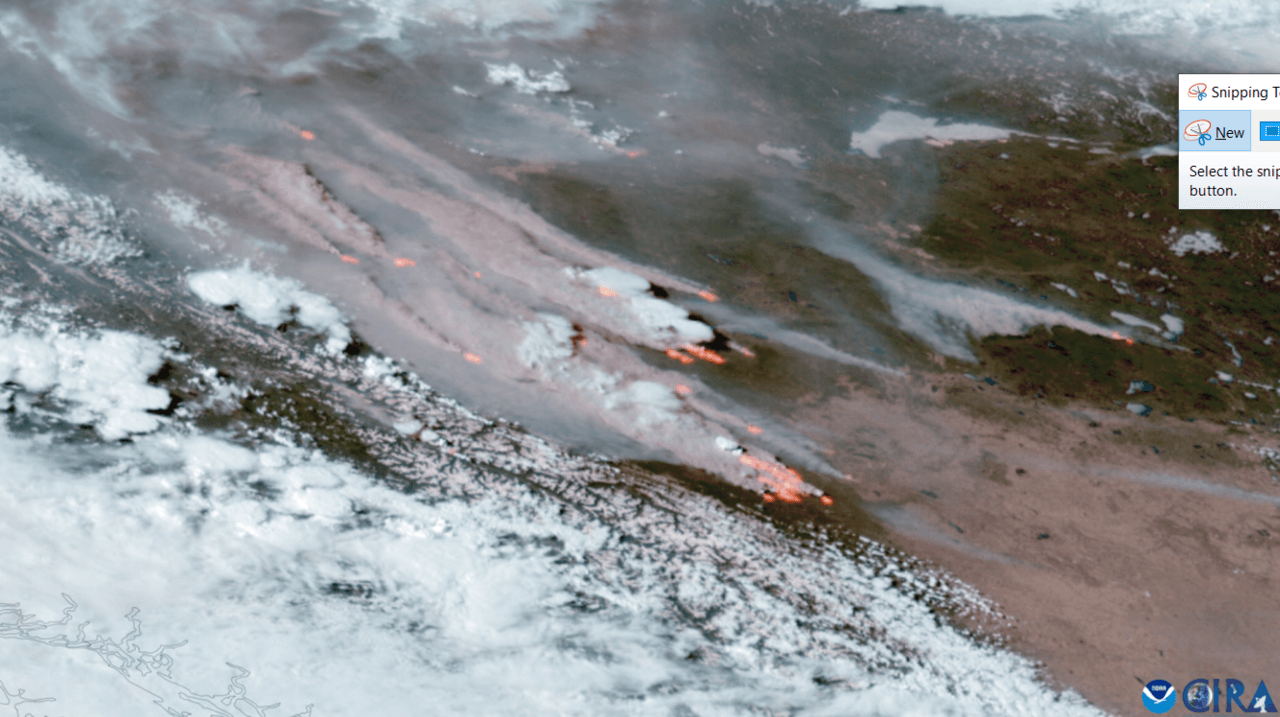
Record‑breaking wildfires are sweeping Europe and the UK, driven by an unprecedented heatwave; authorities have arrested nearly 500 suspects in France, evacuated thousands in Croatia, injured dozens of firefighters in the UK, and issued emergency alerts as temperatures soar.
Wildfires have broken out across Europe and the United States, alongside an earthquake in Colombia, Russian strikes in Ukraine, and a solar eclipse, as captured by photojournalists. The heatwave that pushed temperatures to record levels in the United Kingdom has sparked multiple fires in central England, with blazes in Stourbridge destroying more than a dozen homes and forcing thousands to evacuate. In France, nearly 500 people have been arrested on suspicion of starting fires, while Croatia reports one death and more than 40 injuries from flames in the Lokva Rogoznica and Omiš areas. The scale of the fires matters now because they coincide with a historic drought — England recorded only 4 mm of rain in August, about 6 % of the long‑term average — and threaten lives, homes, and ecosystems across the continent.
Unprecedented scale of fires across Europe and the United States
Wildfires are raging across Europe and the United States, compounded by an earthquake in Colombia, Russian strikes in Ukraine and a solar eclipse, as captured by photojournalists.
In the United Kingdom, temperatures topped the season’s high, sparking dozens of blazes in the West Midlands and elsewhere. The Environment Agency recorded just 4 mm of rain in August, roughly 6 % of the long‑term average, after the driest July on record with 7 mm. More than 1,017 wildfires have been logged in England and Wales this year. Arson investigations have led to almost 500 arrests in France since the start of summer, while disposable barbecues are now banned nationwide. Emergency alerts were broadcast to all mobile phones in England and Wales at 7 p.m., warning of massive fires.
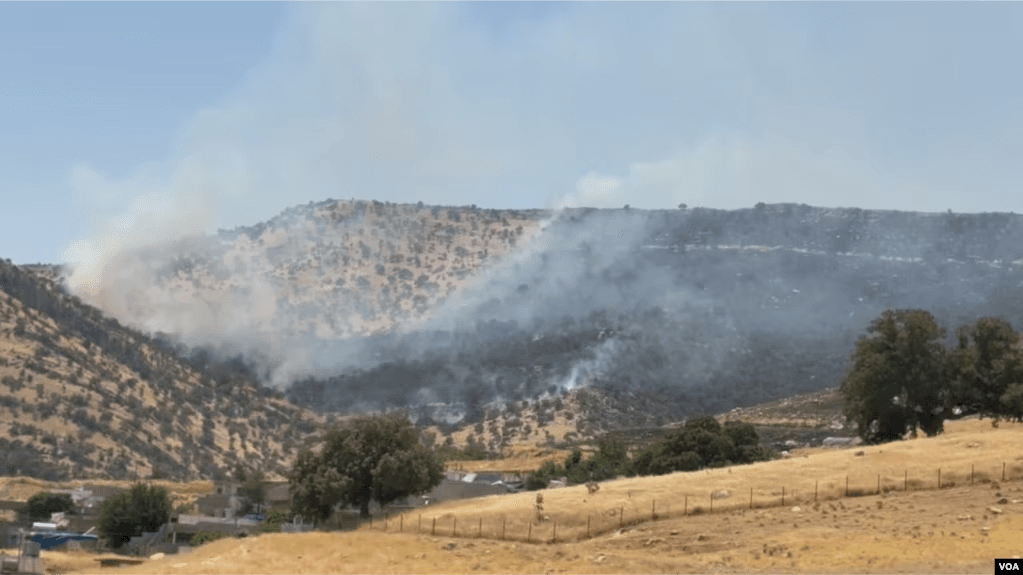
Beyond Britain, a wildfire near Bordeaux consumed more than 162 square miles (420 square kilometers) in under four days, and Croatia’s Lokva Rogoznica and Omiš regions saw one death and over 40 injuries, forcing thousands to evacuate. In Indonesia, flames approached a rehabilitation centre for rescued orangutans. Israel’s military faces accusations of deliberately igniting fires in southern Lebanon by dropping incendiary flares.
The scale of destruction is amplified by a broader European heatwave, with temperatures reaching extreme levels on a single day in the West Midlands. The UK government has deployed the military to support firefighting efforts and issued a temporary GB‑wide ban on disposable barbecues.
These events underscore an unprecedented convergence of climate‑driven fire activity, geopolitical tension and natural disasters, demanding urgent coordinated response across the continent.
England received only 4 mm of rain in August, about 6 % of the long‑term average, following the driest July on record with just 7 mm of rain
Multiple fires spread across the West Midlands on a single day, with temperatures reaching extreme levels, causing devastation to more than a dozen homes
One person was killed and more than 40 people were injured in wildfires in the Lokva Rogoznica and Omiš areas of Croatia, with thousands evacuated
The UK recorded its hottest day of the year so far, leading to multiple wildfires; four firefighters were injured while tackling these fires in Leicestershire
West Midlands mayor Richard Parker described the wildfire situation as “extremely worrying and fast‑moving,” as the hottest day of the UK summer heatwave ignited wildfires
Disposable barbecues have been banned across the United Kingdom as wildfires continue to rage
Emergency alerts were sent to all mobile phones in England and Wales at 7 p.m. to warn residents of massive wildfires
The UK government issued a temporary GB‑wide ban on the sale of disposable barbecues and deployed the military to assist with wildfire response, urging the public not to risk lives
Multiple wildfires are burning in central England as the UK endures its hottest day of the year amid a broader European heatwave
Wildfires are unplanned and uncontrolled fires in areas of combustible vegetation, some natural forest ecosystems depend on wildfires, and modern forest management uses prescribed burns to mitigate火险和
A wildfire near Bordeaux burned more than 162 square miles (420 square kilometers) in less than four days
The Madrid region is experiencing its worst fires on record
Heatwave fuels the blaze in the United Kingdom
The UK recorded its hottest day of the year so far, triggering a wave of wildfires that have scorched more than a dozen homes across the country. Temperatures surged to extreme levels, prompting multiple blazes in the West Midlands and forcing emergency crews to confront flames on several fronts. In Leicestershire four firefighters were injured while battling a blaze, underscoring the physical toll on responders. The heatwave has been compounded by an unprecedented lack of rain: England received only 4 mm of precipitation in August, roughly 6 % of the long‑term average, following the driest July on record with just 7 mm. The combination of scorching weather and bone‑dry soils created a tinderbox across the nation, accelerating fire spread and limiting natural firebreaks. In response, the government has imposed a temporary GB‑wide ban on the sale of disposable barbecues and deployed the military to assist local fire services, urging the public to avoid activities that could ignite new outbreaks. Mobile alerts were broadcast to every phone in England and Wales at 7 p.m., warning residents of the escalating threat. Authorities have also stepped up enforcement against arson, with almost 500 individuals arrested in France on suspicion of starting wildfires, reflecting a broader crackdown across Europe. The crisis highlights the vulnerability of regions unaccustomed to such fire intensity and the growing strain on emergency resources as climate‑driven extremes become more frequent.
Arson crackdown and legal response
Almost 500 people have been arrested on suspicion of starting wildfires in France since the start of the summer, as authorities respond to ferocious blazes across several European countries amid a record‑breaking heatwave; the UK government issued a temporary GB‑wide ban on the sale of disposable barbecues and deployed the military to assist with wildfire response, urging the public not to risk lives.
Firefighters in France, Germany and Greece have been working around the clock to contain flames that have scorched thousands of hectares of forest and farmland. In the United Kingdom, the ban on disposable barbecues, which can spark uncontrolled fires, came into effect on 1 August, the same day multiple fires erupted across the West Midlands, destroying more than a dozen homes. The military has been placed on standby to support local fire services, while emergency alerts were broadcast to all mobile phones in England and Wales at 7 p.m. to warn residents of the immediate danger.
Prosecutors in France have opened investigations into dozens of suspected arson cases, and courts have imposed prison sentences on individuals caught deliberately igniting vegetation. The crackdown reflects mounting concerns that human activity, whether reckless or intentional, is accelerating the spread of fires during the hottest summer on record. Officials hope that swift legal action will deter future incidents and reinforce public cooperation with evacuation orders and fire safety directives.
The measures underscore a broader strategy to combat wildfires that combines stricter enforcement, public education and rapid deployment of resources. By targeting the sale and use of high‑risk products and reinforcing penalties for deliberate ignition, authorities aim to reduce the likelihood of new outbreaks while they continue to battle active blazes across the continent.
Human and environmental toll in Croatia and beyond
One person was killed and more than 40 people were injured in wildfires that swept through the Croatian towns of Lokva Rogoznica and Omiš, forcing thousands to leave their homes. The disaster unfolded as Europe grappled with a heatwave that intensified blazes across the continent. In France, authorities have recorded almost 500 arrests on suspicion of starting fires since the summer began, reflecting a broader crackdown on arson. The UK’s own fire crisis saw multiple outbreaks in the West Midlands, where temperatures reached extreme levels and more than a dozen homes were destroyed; the Environment Agency reported just 4 mm of rain in August, about 6 % of the long‑term average, after the driest July on record with only 7 mm.
Wildfires near Bordeaux burned more than 162 square miles (420 square kilometers) in less than four days, underscoring the speed at which flames can spread under drought conditions. The Madrid region is experiencing its worst fires on record, while emergency alerts were sent to all mobile phones in England and Wales at 7 p.m. to warn residents of massive fires. The UK government has imposed a temporary ban on disposable barbecues and deployed the military to assist with firefighting efforts.
The human toll in Croatia illustrates the vulnerability of communities facing unprecedented fire behaviour, while the scale of destruction in France and Spain signals a shift in fire dynamics that may require new approaches to prevention and response. As heatwaves become more frequent, the intersection of climate, land use and public safety demands coordinated action across borders.
Community reaction and political response
Residents in Stourbridge called the blaze “horrendous,” “distressing” and “one of the scariest days of my life,” saying flames rose higher than the houses they had just left behind. West Midlands mayor Richard Parker warned that the situation was “extremely worrying and fast‑moving,” as the nation endured its hottest day of the summer and wildfires erupted across central England. Prime Minister Andy Burnham visited the town, pledged to protect the region’s “tinderbox” conditions and announced a temporary GB‑wide ban on disposable barbecues. The government also deployed the military to support fire crews and issued a nationwide alert at 7 p.m., urging the public not to risk lives. Emergency services reported that more than a dozen homes were destroyed and that four firefighters had been injured while tackling the flames in Leicestershire. Authorities have arrested nearly 500 people in France on suspicion of arson, while in Croatia one person was killed and more than 40 injured, prompting evacuations of thousands. England recorded only 4 mm of rain in August, about 6 % of the long‑term average, following the driest July on record, leaving the countryside tinder‑dry. The Environment Agency confirmed 1,017 wildfires have ignited in England and Wales this year. Community groups have organised neighbourhood watch schemes, offering shelter and supplies to displaced families, while local businesses have donated food and water. Parliamentarians have called for stricter penalties for deliberate fire‑setting and for increased funding to expand prescribed‑burn programmes. The incident underscores how extreme heat, drought and human activity are converging to create a volatile fire season across Europe.
Broader environmental and economic pressures
Indonesia’s wildfires, driven by hot, dry and windy weather, have crept within metres of a rehabilitation centre for orangutans rescued from wildlife traffickers in West Kalimantan, raising fears that rescued primates could be exposed to smoke and ash. The blazes add to the strain on farmers across the region, who now contend with fire‑related crop loss, water shortages, and a steep rise in fuel and fertilizer costs that threaten their already fragile finances. In England and Wales alone, 1,017 wildfires have been recorded this year, underscoring the scale of the crisis. [LOW CONFIDENCE — attribute, do not assert]
Indonesia’s wildfires, fueled by hot, dry and windy weather, have crept within metres of a rehabilitation centre for orangutans rescued from wildlife traffickers in West Kalimantan, raising fears that rescued primates could be exposed to smoke and ash. The blazes add to the strain on farmers across the region, who now contend with fire‑related crop loss, water shortages, and a steep rise in fuel and fertilizer costs that threaten their already fragile finances. In England and Wales alone, 1,017 wildfires have been recorded this year, underscoring the scale of the crisis. [LOW CONFIDENCE — attribute, do not assert]
Farmers are facing severe financial strain due to the combined threats of wildfires, water shortages, poor harvests, and rising fuel and fertilizer prices. The Environment Agency reported that England received only 4 mm of rain in August, about 6 % of the long‑term average, following the driest July on record with just 7 mm of rain. Multiple wildfires are burning in central England as the UK endures its hottest day of the year amid a broader European heatwave. The UK government issued a temporary GB‑wide ban on the sale of disposable barbecues and deployed the military to assist with wildfire response, urging the public not to risk lives. Emergency alerts were sent to all mobile phones in England and Wales at 7 p.m. to warn residents of massive wildfires. Disposable barbecues have been banned across the United Kingdom as wildfires continue to rage. The Environment Agency reported that England received only 4 mm of rain in August, about 6 % of the long‑term average, following the driest July on record with just 7 mm of rain. Multiple fires spread across the West Midlands on a single day, with temperatures reaching extreme levels, causing devastation to more than a dozen homes. West Midlands mayor Richard Parker described the wildfire situation as “extremely worrying and fast‑moving,” as the hottest day of the UK summer heatwave ignited wildfires. The UK recorded its hottest day of the year so far, leading to multiple wildfires; four firefighters were injured while tackling these fires in Leicestershire. The Environment Agency reported that England received only 4 mm of rain in August, about 6 %
Looking ahead and mitigation strategies
Looking ahead and mitigation strategies: Wildfires are unplanned and uncontrolled fires in areas of combustible vegetation, some natural forest ecosystems depend on wildfires, and modern forest management uses prescribed burns to mitigate fire risk and promote natural forest cycles, though controlled burns can become wildfires if they escape containment lines. The Environment Agency reported that England received only 4 mm of rain in August, about 6 % of the long‑term average, following the driest July on record with just 7 mm of rain, leaving landscapes tinder‑dry and increasing the likelihood of rapid spread. To address this, the UK government has issued a temporary GB‑wide ban on the sale of disposable barbecues and deployed the military to assist with wildfire response, urging the public not to risk lives. Fire services are expanding aerial surveillance and pre‑positioning water tankers in high‑risk zones, while local authorities are tightening restrictions on outdoor activities that could ignite sparks. Long‑term mitigation includes restoring moisture to peatlands, creating fire‑breaks around vulnerable communities, and investing in early‑detection sensor networks that trigger alerts before flames become unmanageable. Public education campaigns will emphasize the dangers of heat‑induced ignition sources, and research into drought‑resistant vegetation will inform land‑use planning. By combining immediate containment measures with ecological restoration, policymakers aim to reduce the frequency and intensity of future outbreaks, protecting both human settlements and the habitats that depend on periodic fire cycles.
Frequently asked questions
How many wildfires have been recorded in England and Wales this year?
According to the National Fire Chiefs Council, England and Wales have experienced 1,017 wildfires so far this year.
What caused the recent wildfires in the West Midlands?
The West Midlands experienced multiple fires on a single day in early August when temperatures reached extreme levels during the UK's hottest day of the year, leading to devastation of more than a dozen homes.
Why have disposable barbecues been banned in the UK?
The UK government imposed a temporary GB‑wide ban on the sale of disposable barbecues as wildfires continue to rage, urging the public not to risk lives.
How many people have been arrested in France for suspected arson related to wildfires?
Almost 500 people have been arrested on suspicion of starting wildfires in France since the start of the summer.
What health impacts have been reported from the wildfires in Croatia?
One person was killed and more than 40 people were injured in wildfires in the Lokva Rogoznica and Omiš areas of Croatia, with thousands evacuated.