Infantino under fire as FIFA crisis deepens
FIFA president Gianni Infantino faces mounting pressure after allegations over a UEFA severance payment and a failed plan to sell World Cup rights to private.
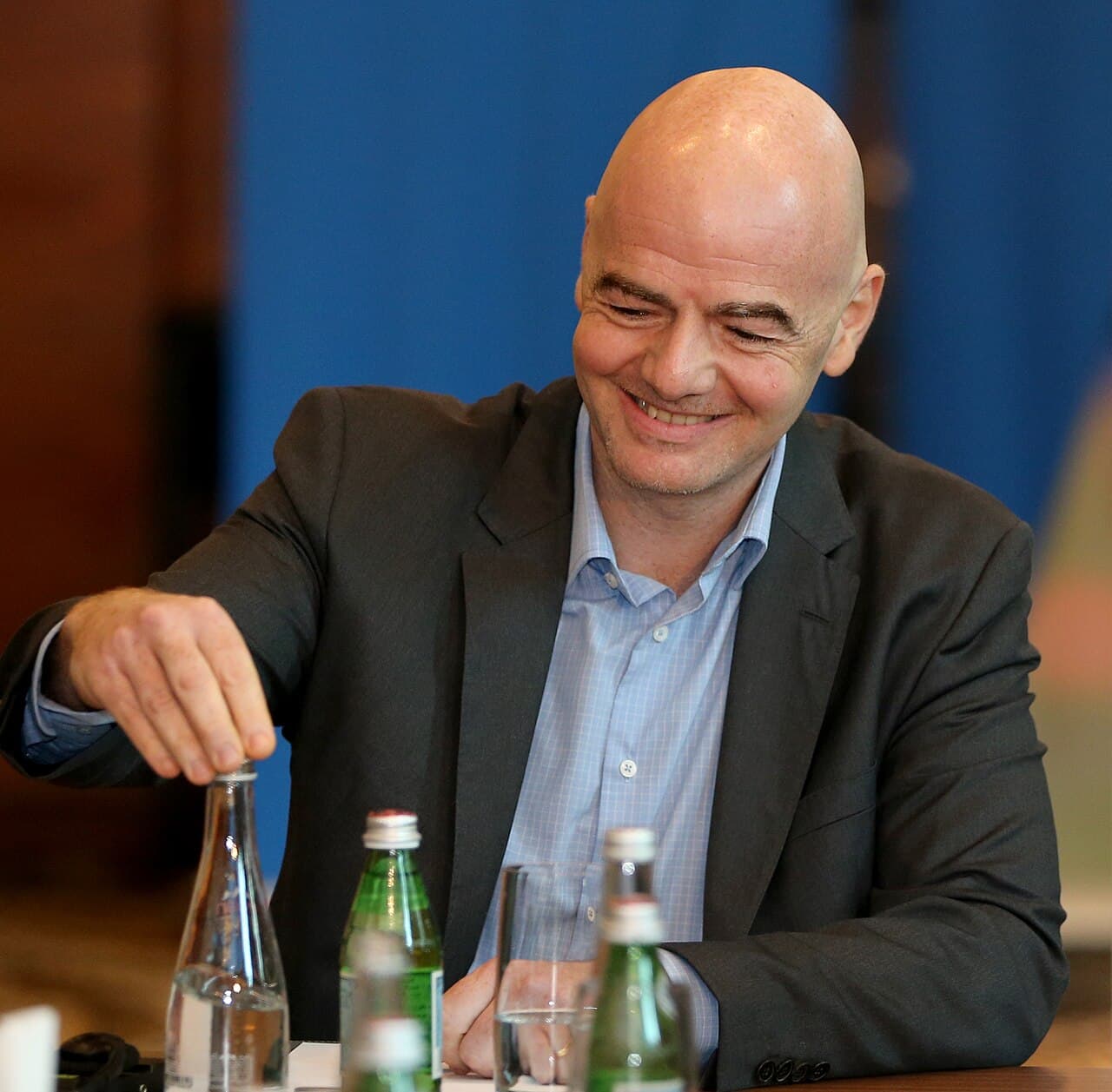
FIFA president Gianni Infantino faces calls to resign following allegations that UEFA made a six-figure severance payment to a former employee during his tenure as UEFA general secretary and after his plan to sell World Cup commercial rights to private investors was abandoned
Infantino faces mounting criticism over plans to sell stakes in FIFA assets to private investors. He served as UEFA Secretary General from 2009 to 2016 and was elected FIFA president on 26 February 2016. In 2020 he joined the International Olympic Committee. On 28 July 2026 FIFA announced FIFA Forward Enterprise, an entity to manage commercial and operational rights of FIFA competitions, with FIFA retaining majority control while private investors could acquire stakes. The proposal to sell World Cup commercial rights sparked sharp criticism from UEFA and other football associations, who warned of growing commercialisation of the tournament. Allegations emerged that a former UEFA employee received a six-figure departure payment after an alleged relationship with Infantino during his tenure as general secretary. The Daily Telegraph reported the payment and the relationship, prompting denials from FIFA and UEFA. German culture minister Weimer and The Guardian have called for Infantino to resign. Infantino convened a crisis meeting of FIFA in Rabat amid mounting pressure and blackmail allegations linked to the governing body. FIFA’s leadership publicly reaffirmed unity behind him and declared it would not tolerate attacks on the organisation’s integrity. The controversy adds to divisions within football and raises questions about Infantino’s future, with two scenarios for an early end to his presidency under discussion. Uncertainties remain over the timing of The Telegraph’s report, the details of the payment, and the collapse of the investor plan. The situation tests FIFA’s governance and the political pressures facing its president.
Infantino's rise from UEFA to FIFA
Gianni Infantino rose from UEFA to FIFA by leveraging a decade of experience in European football administration. From 2009 to 2016 he served as UEFA Secretary General, where he oversaw competitive development, financial reforms and the expansion of UEFA’s club competitions. His leadership was marked by a push for greater financial transparency and a more centralized governance model, traits that later defined his FIFA presidency.
Elected FIFA president on 26 February 2016, Infantino succeeded Sepp Blatter on a platform promising reform and modernization. He inherited a global organization facing lingering scandal, but quickly set about restructuring FIFA’s commercial strategy. In 2020 he was appointed to the International Olympic Committee, further cementing his status as a key figure in international sport governance.
In July 2026 FIFA announced the creation of FIFA Forward Enterprise, an entity to manage commercial and operational rights of FIFA competitions. The move aimed to bring private investment into the World Cup cycle while retaining majority control within FIFA. The proposal sparked immediate backlash from UEFA and other regional bodies, which warned that selling stakes could commercialise the tournament beyond acceptable limits. Critics argued the plan risked diluting the sport’s integrity and concentrating power in the hands of investors.
The controversy intensified after The Telegraph reported that a woman had received a six‑figure severance payment from UEFA while Infantino was still Secretary General. UEFA confirmed the payment, describing it as a standard departure arrangement. FIFA dismissed the allegation as categorically untrue, yet the story added to mounting pressure on Infantino. German Culture Minister Weimer and The Guardian called for his resignation, while UEFA President Aleksander Ceferin emerged as his most vocal opponent, rallying European associations against the investor plan.
In response, Infantino convened a crisis meeting in Rabat, seeking to re‑assert authority and display unity within FIFA’s leadership. The gathering underscored the deepening rift: while FIFA’s executive publicly defended him, European federations remained united in opposition. The episode highlighted how quickly Infantino’s once‑secure position had become precarious, as external criticism and internal dissent converged on the FIFA presidency.
The proposed sale of World Cup commercial rights
FIFA announced in July 2026 that it would create FIFA Forward Enterprise, a new entity to manage the commercial and operational rights of all its competitions. The structure allowed private investors to purchase stakes while FIFA retained majority ownership. The proposal immediately drew fire from UEFA and several national football associations, which warned that the sale would accelerate commercialisation of the World Cup and erode its sporting integrity. Critics argued that handing control of the tournament’s lucrative commercial rights to external investors risked prioritising profit over the game’s traditions. UEFA president Aleksander Ceferin emerged as the most vocal opponent, rallying European associations to oppose the scheme and demanding that FIFA abandon any plans to dilute its control. In response, FIFA’s leadership issued a public statement affirming its commitment to the organisation’s integrity and rejecting external interference. The backlash contributed to the collapse of the broader investor plan, which had aimed to monetize World Cup assets more aggressively. Although the sale of stakes in FIFA Forward Enterprise has not proceeded, the episode has intensified scrutiny of President Gianni Infantino’s strategy and leadership. With pressure mounting from multiple fronts, the future of the initiative remains uncertain, and the broader crisis within world football continues to unfold.
Allegations over a UEFA severance payment
The Daily Telegraph reported that a female employee received a six‑figure severance payment from UEFA after an alleged relationship with Gianni Infantino during his time as the organisation’s general secretary. UEFA confirmed that such a payment was made, describing it as a departure settlement. FIFA immediately rejected the allegation, issuing a statement that the claim and the alleged relationship were categorically untrue and unfounded.
The report added to mounting scrutiny of Infantino, who had previously served as UEFA Secretary General from 2009 to 2016 before being elected FIFA president on 26 February 2016. Critics argue that the payment raises questions about possible conflicts of interest and governance lapses within European football’s governing bodies. The Telegraph’s investigation prompted calls for Infantino’s resignation from several quarters, including German culture minister Weimer and a Guardian editorial that argued his continued leadership threatened the integrity of the sport.
Despite the denials, the episode has intensified pressure on Infantino, who convened a crisis meeting of FIFA officials in Rabat to address the fallout. UEFA president Aleksander Ceferin has emerged as a prominent opponent of Infantino’s proposed plan to sell stakes in World Cup commercial rights to private investors, warning that such moves would commercialise the tournament excessively.
FIFA’s leadership has publicly rallied behind Infantino, asserting that it will not tolerate attacks on the organisation’s integrity. Yet the controversy underscores broader divisions within football’s power structures and raises questions about the future of Infantino’s presidency amid ongoing investigations and political pressure.
Reactions from governments and media
German culture minister Weimer has publicly called for Gianni Infantino to resign, adding to mounting political pressure on the FIFA president. The Guardian echoed the demand in an editorial, arguing that his departure would serve the sport’s interests. UK newspaper The Telegraph ignited the controversy with an investigation alleging that UEFA made a six‑figure severance payment to a former employee after an alleged relationship with Infantino during his tenure as UEFA general secretary. FIFA dismissed the claims as categorically untrue and issued a denial on 7 August. In response, FIFA’s leadership declared unity behind Infantino, stating that it would not tolerate attacks on the organisation’s integrity. Despite the public show of support, critics warn that the crisis could force an early end to Infantino’s presidency, with two possible exit scenarios being discussed internally. The episode has deepened divisions within world football, with European bodies and other associations sharply criticizing Infantino’s plan to sell World Cup commercial rights to private investors. As scrutiny intensifies, the next steps remain unclear, and the fallout may reshape leadership at the sport’s governing body.
Internal divisions and leadership challenges
UEFA president Aleksander Ceferin has emerged as Infantino’s most prominent opponent, rallying European football associations against the proposed sale of World Cup commercial rights. Ceferin warned that private investment would commercialise the tournament excessively, uniting dissent across Europe. Commentators note Infantino’s position shifted rapidly from confidence to vulnerability within two weeks of mounting criticism. The proposed entity, FIFA Forward Enterprise, announced on 28 July 2026 to manage World Cup commercial rights, faced sharp resistance, causing the investor plan to collapse. FIFA’s leadership publicly defended Infantino, rejecting attacks on the organisation’s integrity. Nevertheless, pressure mounts, with German culture minister Weimer and The Guardian urging his resignation. FIFA dismissed allegations regarding a UEFA severance payment to a former employee, calling them categorically untrue. Yet the controversy persists, complicating Infantino’s standing amid internal divisions. The crisis underscores growing fractures within football’s governing bodies, as stakeholders weigh the future of FIFA’s leadership and the sport’s commercial direction. Uncertainties remain regarding the scope of dissent and potential leadership changes.
The crisis meeting in Rabat
Infantino convened a crisis meeting of FIFA in Rabat to address mounting scrutiny and blackmail allegations that had intensified following the collapse of plans to sell World Cup commercial rights to private investors. The gathering was presented as an effort to restore confidence in the governing body, though FIFA offered no details on decisions taken or actions to follow. Attendees included Infantino and senior officials, but the meeting’s agenda and outcomes remained undisclosed. The move came amid calls for his resignation from figures such as German culture minister Weimer and The Guardian, which argued his continued leadership threatened the sport’s integrity. Criticism had also emerged from UEFA president Aleksander Ceferin, who opposed the investor model and rallied European associations against it. While FIFA’s leadership publicly reaffirmed unity behind Infantino, the episode underscored deepening divisions within football’s global governance. The Rabat meeting thus served as both a defensive maneuver and a test of cohesion in the face of escalating external pressure.
Calls for resignation and political pressure
German culture minister Weimer has added his voice to the mounting pressure on Gianni Infantino to step down. His call follows similar appeals from The Guardian and growing criticism from governments and media outlets. While the Argentine Football Association issued a letter supporting Infantino, the accumulated demands from political figures, commentators and football associations signal a deepening crisis of legitimacy around his leadership. The sustained scrutiny reflects concerns over transparency and governance at world football's governing body.
Following the German minister's demand, The Guardian published an editorial urging Infantino's resignation, citing the need to protect football's integrity. The Argentine Football Association later sent a supportive letter to Infantino, but this did not quell mounting pressure. Governments and media outlets continued to intensify scrutiny, with officials and commentators questioning his leadership. The crisis deepened as FIFA faced allegations over a UEFA severance payment to a former employee linked to Infantino during his tenure as general secretary. UEFA confirmed the payment, reported to be a six-figure sum, while FIFA dismissed the allegations as categorically untrue. The sustained criticism prompted Infantino to convene a crisis meeting in Rabat to address the mounting challenges to his authority.
Uncertainties and next steps
The timeline of events remains partially unclear, including the exact date of The Telegraph's publication and the specifics of the blackmail claims. With two potential scenarios for an early end to Infantino's presidency being discussed, the situation remains fluid and under intense observation.
The Telegraph’s investigation, cited by multiple outlets, alleged that a female former employee received a six‑figure severance payment from UEFA while Infantino served as its general secretary, though the payment amount and purpose remain unspecified. Following the report, UEFA confirmed the payment, and FIFA dismissed the allegations as categorically untrue, issuing a denial on Friday, August 7. German culture minister Weimer and The Guardian called for Infantino’s resignation, while the Argentine Football Association sent a letter of support. Infantino convened a crisis meeting in Rabat amid mounting criticism and blackmail allegations, after which FIFA’s leadership publicly declared unity behind him and warned against attacks on the organization’s integrity. The proposed FIFA Forward Enterprise, announced on 28 July 2026, was intended to manage commercial and operational rights of FIFA competitions, but the plan to sell World Cup commercial rights to private investors collapsed under sharp criticism from UEFA and other associations. Two scenarios for an early end to Infantino’s presidency are being discussed as pressure mounts. The exact date of The Telegraph’s publication and the details of the blackmail claims remain unclear, keeping the timeline partially uncertain. Continued monitoring of political pressure, potential leadership challenges, and possible outcomes of the ongoing dispute is expected.
Frequently asked questions
What allegations has Gianni Infantino faced regarding FIFA?
Infantino faces criticism over plans to sell World Cup assets to private investors and allegations about a six-figure departure payment made by UEFA to a former employee with whom he allegedly had a relationship during his time as UEFA general secretary. FIFA dismissed the claims as categorically untrue and denied the allegations in a statement issued on August 7.
Why are people calling for Gianni Infantino to resign as FIFA president?
Calls for Infantino's resignation stem from the controversy over the proposed sale of World Cup commercial rights to private investors and the allegations involving a UEFA departure payment to a former employee linked to him. German culture minister Weimer and The Guardian have urged him to step down, citing concerns over the sport's integrity.
What is FIFA Forward Enterprise and when was it announced?
FIFA Forward Enterprise is an entity announced on 28 July 2026 to manage the commercial and operational rights of FIFA competitions. FIFA retains majority control while private investors may acquire stakes, though the plan to sell World Cup rights to investors has since failed amid criticism.
What was Gianni Infantino's role at UEFA before becoming FIFA president?
Before leading FIFA, Infantino served as UEFA's Secretary General from 2009 to 2016. He was elected FIFA president on 26 February 2016, succeeding Sepp Blatter, and has been an IOC member since 2020.
How has UEFA responded to the allegations against Gianni Infantino?
UEFA confirmed making a departure payment to a former female employee who alleged a relationship with Infantino during his tenure as general secretary. The payment, reported to be a six-figure sum, was made while he was still in that role, though UEFA did not confirm details of the allegations.