Sepp Blatter and Michel Platini to Face Swiss Court in March 2025 Over Corruption Charge
Former FIFA president Sepp Blatter and ex-UEFA chief Michel Platini are set to appear in a Swiss court in March 2025 to confront corruption allegations, reigniting scrutiny of FIFA's leadership amid Gianni Infantino's ongoing.
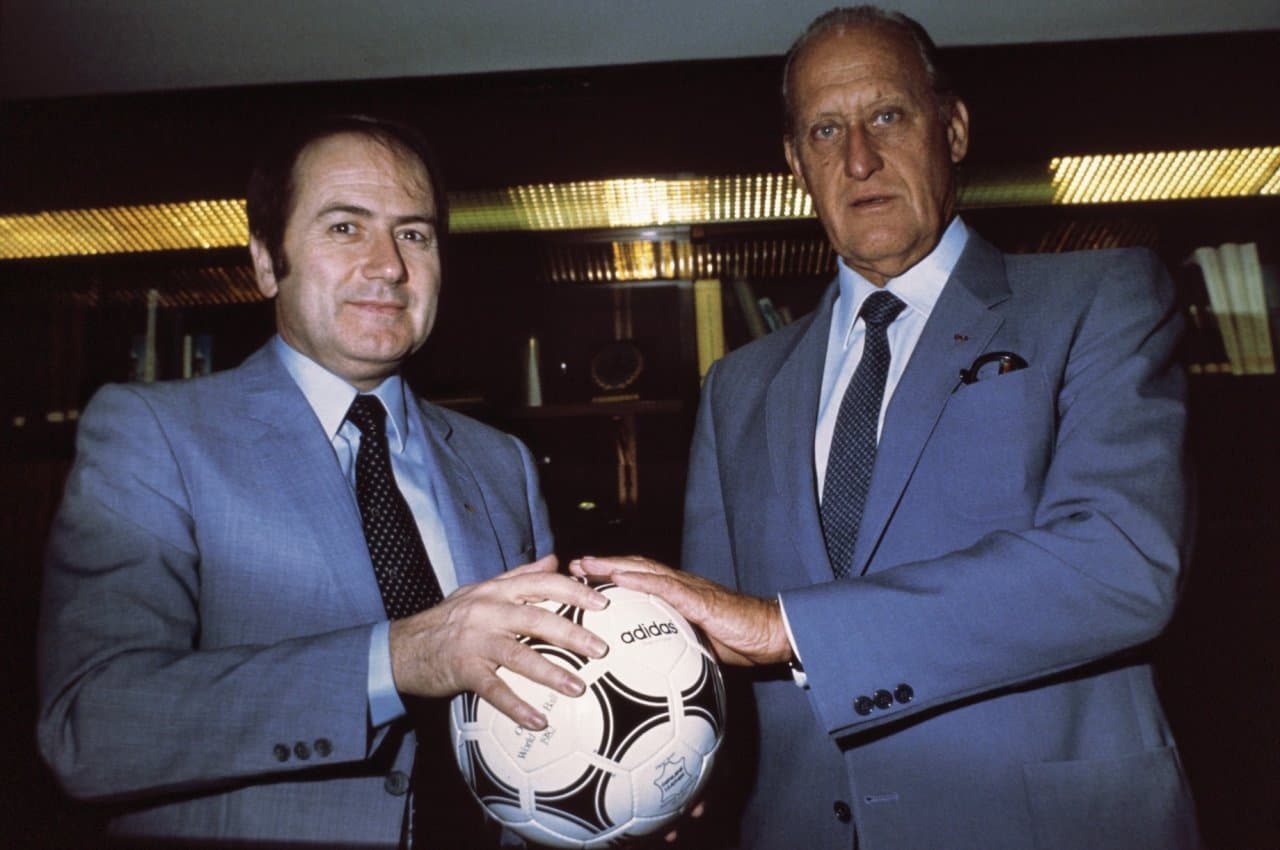
Sepp Blatter and Michel Platini are scheduled to appear before a Swiss court in March 2025 to face corruption charges related to FIFA, as scrutiny intensifies over Gianni Infantino's leadership and ongoing governance issues within world football.
Sepp Blatter and Michel Platini are due to appear before a Swiss court in March 2025 on corruption charges. Blatter, the eighth president of FIFA who led the organization from 1998 to 2015, was forced to resign and later received a 12‑year ban from football activities. The ban runs until 2027, after he was suspended in 2015 amid a corruption case that emerged from United States federal investigations into FIFA officials. Gianni Infantino succeeded him as FIFA president and has been seeking re‑election, but faces pressure after a proposed 20 % stake in the World Cup collapsed. The court appearance matters because it revives legal scrutiny of Blatter’s legacy while Infantino’s bid for a second term is under strain, prompting some national associations to withdraw support and calls for a female successor to lead FIFA.
The upcoming Swiss court hearing and the charges
Blatter and Platini are scheduled to appear before a Swiss court in March 2025 to face a corruption charge linked to the FIFA scandal that erupted in 2015. The case concerns alleged improper payments related to a 2011 agreement between FIFA and a Swiss company, though the exact nature of the charge remains under legal review. Both men have denied wrongdoing, and the proceedings will test whetherSw
Blatter, the eighth president of FIFA, served from 1998 to 2015 before resigning under pressure from the corruption investigation that began in 2015 when United States federal prosecutors revealed misconduct among FIFA officials. His suspension from football activities was imposed in the same year and is set to run until 2027. The upcoming hearing follows a series of allegations concerning financial arrangements that pre‑date his resignation.
Platini, a former UEFA president, also faces charges tied to the same investigation. Both men have maintained that any payments were lawful and have pleaded innocence. Their appearance comes as Gianni Infantino, who succeeded Blatter as FIFA president, encounters mounting scrutiny over a proposed 20 percent stake in the World Cup that collapsed earlier this year. Critics argue the scheme threatened the sport’s integrity, prompting withdrawals of support from associations such as the Scottish FA and calls for Infantino’s re‑election bid to be reconsidered.
Although some fans have voiced support for Blatter’s return, the court case will determine whether he can resume any role in football governance. The outcome may reshape governance structures within FIFA and influence the viability of Infantino’s reforms.
Blatter becomes FIFA president
US federal prosecutors reveal corruption cases involving FIFA officials and associates
Blatter is forced to resign the FIFA presidency and is suspended from FIFA activities
Blatter's presidency ends after serving as FIFA's eighth president since 1998
Blatter is banned from football for 12 years
Blatter and Michel Platini are due in a Swiss court to face a corruption charge
Blatter's suspension from FIFA activities is scheduled to run until this year
Blatter's fall from power and the 2015 scandal
Sepp Blatter served as FIFA president from 1998 to 2015, becoming the organization’s eighth president. His tenure ended abruptly in 2015 when United States federal prosecutors unveiled a sweeping corruption investigation into FIFA officials and associates. Facing mounting pressure, Blatter resigned and was subsequently banned from all football activities for 12 years, a suspension that runs until 2027.
Blatter’s fall was precipitated by the 2015 scandal that exposed widespread misconduct within FIFA’s leadership. The investigation, led by U.S. authorities, implicated numerous officials and highlighted systemic corruption at the sport’s governing body. As the investigation intensified, Blatter’s authority eroded, culminating in his resignation and the imposition of a 12‑year ban from football-related duties.
The ban, which remains in effect, prevented Blatter from participating in any FIFA‑sanctioned activities. His departure cleared the path for Gianni Infantino to assume the presidency, though Infantino later faced scrutiny over a proposed 20 % stake in the World Cup that ultimately collapsed. National associations, including the Scottish FA, voiced opposition to Infantino’s re‑election amid concerns about governance and transparency.
Blatter’s suspension, initially imposed in 2015 and extending through 2027, underscored the severity of the charges tied to the 2015 scandal. The legal backdrop of his case set the stage for the upcoming March 2025 court appearance in Switzerland, where he and Michel Platini are slated to confront corruption allegations.
The episode marked a pivotal moment in FIFA’s history, illustrating how internal corruption can reshape the sport’s leadership. Blatter’s legacy remains intertwined with the controversy that defined his final years, influencing ongoing debates about accountability and reform within international football governance.
Gianni Infantino's re‑election bid and the World Cup stake proposal
Gianni Infantino’s bid to seek re‑election as FIFA president had hinged on a plan to sell a 20 percent stake in the World Cup. The proposal aimed to generate additional revenue for the governing body, but the scheme collapsed after resistance from several national associations. The failure of the initiative has sparked criticism of Infantino’s leadership and intensified calls for his removal. Some supporters of Sepp Blatter have called for his return, citing the perceived shortcomings of Infantino’s strategy.
The World Cup stake proposal was presented as a means to modernise FIFA’s financial model. Under the plan, a portion of the tournament’s commercial rights would be transferred to a private investor, with the expectation of boosting investment and expanding the tournament’s global reach. Opposition grew as concerns mounted over the potential loss of control over a marquee event and the precedent it would set for future tournaments.
National associations, including the Scottish FA, voiced their reluctance to back Infantino’s re‑election in the wake of the stalled proposal. Their stance reflected broader unease among football stakeholders about the direction of FIFA’s governance. Critics argue that the collapse of the plan undermines Infantino’s credibility and raises questions about his ability to steer the organisation through a period of scrutiny.
The episode has added pressure on Infantino as he prepares for a potential re‑election campaign. With Blatter’s legal troubles resurfacing and public sentiment shifting, the outcome of the vote may hinge on whether FIFA can restore confidence in its leadership. The stakes remain high for both the organisation and the individuals vying to shape its future.
Alleged succession plans and public statements by Blatter
Alleged succession plans and public statements by Blatter Sepp Blatter has recently voiced support for a female successor to lead FIFA, naming Norwegian official Lise Klaveness as a potential candidate, according to reports. He has argued that the time is right for a woman to head the organization, positioning himself as a critic of Gianni Infantino’s leadership and highlighting concerns over the credibility of the World Cup under the current president. These statements were made amid growing scrutiny of Infantino’s bid for re‑election and a proposed plan to sell a 20 percent stake in the World Cup that collapsed earlier this year. Some commentators have noted that Blatter’s public backing of Klaveness reflects an effort to influence the succession debate, though the extent of his influence remains uncertain.
The upcoming Swiss court appearance scheduled for March 2025 places both Blatter and Michel Platini before a judicial panel on corruption charges related to FIFA activities. Blatter’s suspension from football activities, imposed in 2015, is set to run until 2027, meaning he remains barred from official FIFA duties during the proceedings. His resignation from the FIFA presidency in 2015 followed the exposure of extensive corruption cases by United States federal prosecutors, which also implicated several current and former officials. Although Blatter was acquitted in a separate case linked to FIFA finances, the charges he now faces in Switzerland stem from alleged irregularities tied to the same period.
The revelations have reignited calls from various quarters for a reset of FIFA’s leadership, with some fans and advocacy groups urging the Scottish FA and other national associations to oppose Infantino’s continued tenure. UEFA’s recent discussions about withdrawing support for the FIFA president after the failed World Cup stake sale further underscore the volatility of the situation. As the court date approaches, the interplay between Blatter’s public advocacy for change and the legal pressures he confronts shapes a pivotal moment for FIFA’s governance and its quest for renewed credibility.
Reactions from national associations and fan groups
Wales and England have withdrawn their backing for Gianni Infantino’s bid to remain FIFA president, a move that reflects mounting unease among major football nations. The Scottish FA has also been urged to oppose Infantino’s continued leadership.
Fan forums have voiced frustration over the perceived lack of transparency in FIFA’s financial arrangements, especially regarding the stalled proposal to sell a 20 percent stake in the World Cup. Critics argue that the failed stake sale undermines confidence in the governing body’s stewardship of the sport’s most lucrative competition.
The withdrawal of support from Wales and England comes as part of a broader push by several national associations to demand clearer governance and accountability. Their actions signal a shift in the political landscape surrounding Infantino’s re‑election campaign, which has been increasingly contested.
In addition to the political pressure, fan groups have called for greater openness about the decision‑making processes within FIFA. They argue that the opaque handling of major financial initiatives has eroded trust among supporters worldwide.
The growing dissent highlights the challenges facing FIFA as it navigates a period of scrutiny and reform. National associations are increasingly willing to leverage their influence to shape the organization’s direction, while fan voices continue to demand more transparent and responsible leadership.
Legal background and the 2025 court appearance
Blatter and Platini are scheduled to appear before a Swiss court in March 2025 on corruption charges linked to a 2011 agreement that has been under scrutiny since the 2015 US indictments of FIFA officials. The exact legal provisions have not been disclosed, but the case forms part of a broader investigation that triggered multiple indictments across the federation. The hearing will decide whether the two will be put on trial or negotiate a settlement, a development that could reshape the legal landscape for former FIFA leaders.
Blatter, the eighth president of FIFA, served from 1998 to 2015 before being forced to resign amid the 2015 corruption scandal. His suspension from football activities runs until 2027, and he remains barred from any FIFA‑related duties while the case proceeds. The resignation followed revelations by United States federal prosecutors of widespread misconduct among FIFA officials and their associates.
Infantino, who succeeded Blatter as FIFA president, has faced mounting pressure after a proposed 20 % sale of World Cup rights collapsed. Some supporters have called for Blatter’s return, citing criticism of Infantino’s handling of the project. Blatter has publicly suggested that a woman should lead FIFA and has expressed backing for Norwegian official Lise Klaveness, though the precise identity of his preferred successor has not been confirmed.
National associations such as the Scottish FA have been urged to oppose Infantino’s re‑election, and UEFA debated withdrawing its support after the failed stake sale. The fallout highlights growing unease over FIFA’s governance and raises questions about the organization’s future direction as it navigates legal challenges and internal dissent.
Implications for FIFA's future governance
The outcome of the March 2025 Swiss court case against Sepp Blatter and Michel Platini, coupled with mounting pressure on Gianni Infantino’s re‑election bid, could fundamentally reshape FIFA’s governance. With Blatter’s 12‑year suspension set to expire in 2027, the organization must decide whether to permit his return or to consolidate a new leadership model that distances itself from past controversies. Analysts warn that the legal resolution and the fate of Infantino’s proposal to sell a 20 percent stake in the World Cup will determine FIFA’s capacity to manage global football affairs.
Blatter, the eighth president of FIFA who led the body from 1998 to 2015, was forced to resign and subsequently banned from football activities in 2015 amid a U.S. corruption investigation that became public that year. His suspension runs until 2027, after which the Swiss court will hear the charges tied to the 2015 scandal. Although Blatter has publicly expressed support for a female successor and mentioned Lise Klaveness as a potential challenger, no formal nomination has been confirmed. The recent withdrawal of support from Wales and England for Infantino’s re‑election, alongside UEFA’s reported consideration of stepping back from backing the FIFA president, signals a fragmented political landscape.
The court appearance represents a pivotal moment for accountability, as the charges stem from the same corruption case that led to Blatter’s 2015 downfall. If the court acquits him, the path to reinstatement could reopen debates about the suitability of experienced figures for top governance roles. Conversely, a conviction would reinforce a zero‑tolerance stance and likely accelerate reforms aimed at increasing transparency and diversifying leadership. The final decision will hinge on how FIFA balances the desire for institutional continuity with the need to restore credibility after the 2015 scandal and the failed World Cup stake plan.
Historical context of controversy among recent FIFA presidents
Blatter joins a line of FIFA presidents since 1974 whose presidencies have been clouded by controversy. His own tenure, from 1998 to 2015, saw a series of scandals that culminated in his forced resignation and a twelve‑year ban from football activities. The pattern began earlier with João Havelange, whose financial dealings attracted scrutiny, and continued with Sepp Blatter’s own governance issues. After Blatter’s exit, Gianni Infantino succeeded him but now faces pressure over a proposed sale of a twenty percent stake in the World Cup and questions about his re‑election bid. The latest development places Blatter and Michel Platini in a Swiss court in March 2025, where they are expected to answer a corruption charge tied to the 2015 FIFA case that also triggered US federal investigations. Their appearance follows a long‑running legal saga that started when US prosecutors exposed the FIFA corruption case in 2015, leading to suspensions that run until 2027 for Blatter. The episode reflects a broader instability that has marked recent FIFA leadership, with national associations such as Wales and England withdrawing support for Infantino and calls for reform growing among fans. Blatter, now ninety, has publicly suggested that a woman should lead FIFA and has expressed support for Norwegian official Lise Klaveness as a potential successor, though those statements remain unconfirmed. The upcoming court hearing thus adds to a series of legal challenges that have defined the organization’s recent history.
Frequently asked questions
When is Sepp Blatter's court appearance in Switzerland?
Blatter and Michel Platini are due to appear in a Swiss court in March 2025 to face a corruption charge.
Why was Sepp Blatter banned from football?
Blatter was banned from football for 12 years following his resignation and suspension from FIFA in 2015 amid a corruption scandal.
Who succeeded Sepp Blatter as FIFA president?
Gianni Infantino succeeded Sepp Blatter as FIFA president after Blatter's resignation in 2015.
What is the status of Sepp Blatter's suspension from FIFA?
Blatter's suspension from FIFA activities runs until 2027, stemming from the 2015 corruption case that became public.
Who is being considered as a potential successor to Gianni Infantino?
Sepp Blatter publicly named a person he believes should succeed Gianni Infantino, and reports link him to Lise Klaveness as a potential challenger.