Kai Wegner faces backlash over blackout tennis match and political fallout
Berlin's governing mayor played tennis during a citywide power outage, sparking criticism and calls for his resignation amid broader political challenges.
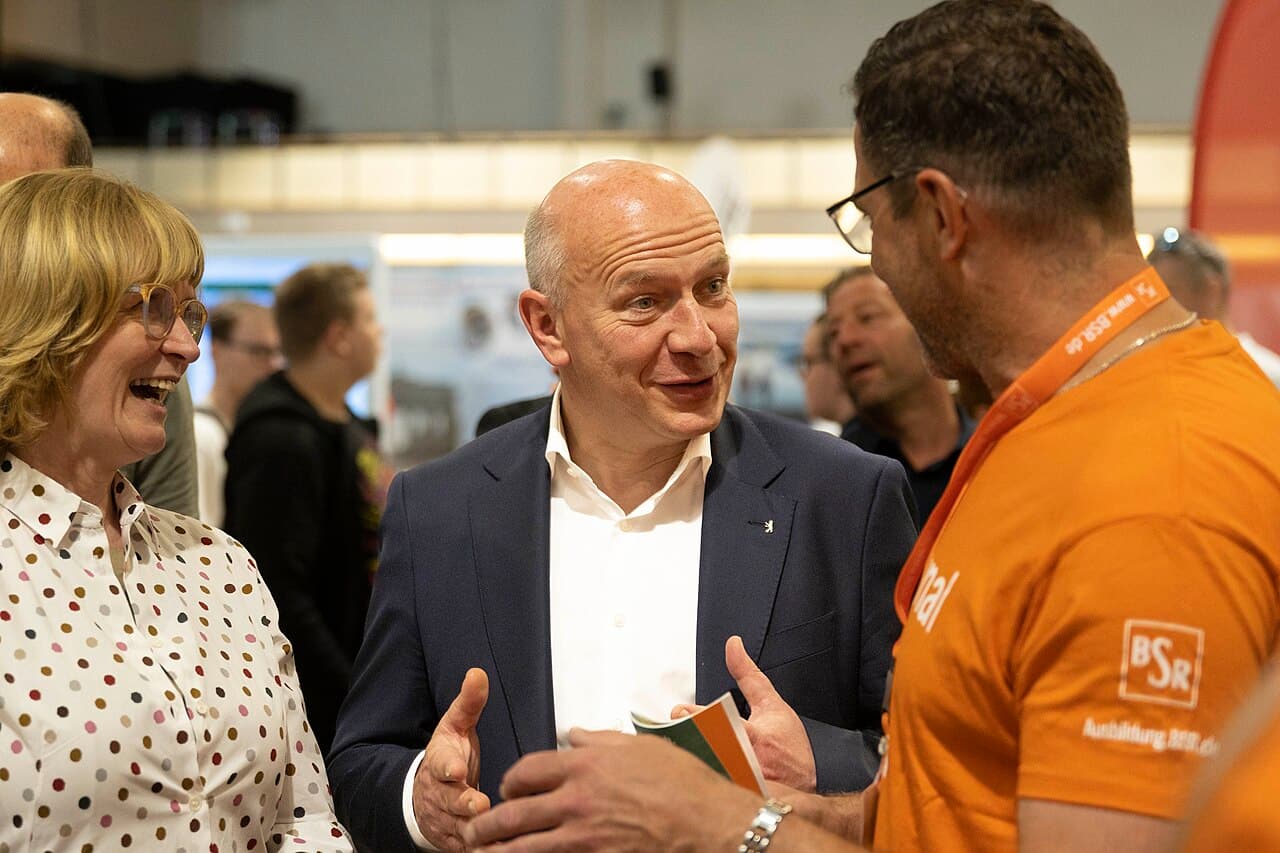
Berlin's governing mayor Kai Wegner faced backlash after playing tennis during a major citywide blackout in April 2023, with opposition parties and critics demanding his resignation amid broader political challenges in Berlin.
Kai Wegner played tennis during a blackout in Berlin. He is the city’s governing mayor, elected by the Abgeordnetenhaus on 27 April 2023, and leads the 29th Senate of Berlin. A member of the Christian Democratic Union, he succeeded the previous administration and has since navigated coalition politics and public scrutiny. The blackout resulted from an attack and triggered widespread criticism when Wegner was seen playing tennis amid citywide power loss. The incident drew comparisons to other mayors’ responses and intensified calls for accountability. International ties, including a meeting with Kyiv’s mayor Vitali Klitschko, underscore Berlin’s diplomatic posture during crisis. The episode has reignited debate over leadership during emergencies and threatens the stability of his coalition. With state elections approaching and opposition parties demanding his resignation, Wegner’s position is increasingly precarious. The coming weeks will test both his political resilience and Berlin’s governance capacity.
Wegner's election and early tenure as Berlin's mayor
Kai Wegner, a member of the Christian Democratic Union (CDU), was elected Governing Mayor of Berlin on 27 April 2023 by the Abgeordnetenhaus, leading to the formation of the 29th Senate of Berlin. He assumed office following the end of his predecessor’s term and initially positioned himself as a steady hand amid post‑pandemic recovery efforts. His early agenda focused on economic stabilization and restoring public confidence in city governance. The transition came after weeks of political negotiation and a period of uncertainty for Berlin’s leadership. His early tenure was defined by efforts to streamline municipal operations and address long‑standing infrastructure concerns. Despite his ceremonial role, the city faced ongoing challenges that tested his administration’s resilience. The formation of the new senate signaled a shift in Berlin’s political landscape, with coalition partners aligning to support his policy priorities. His leadership style emphasized continuity and pragmatic solutions during a critical period. This early phase laid the groundwork for subsequent crises that would define his time in office. [LOW CONFIDENCE — attribute, do not assert] The blackout incident and public criticism; [LOW CONFIDENCE — attribute, do not assert] Political consequences and shifting alliances; [LOW CONFIDENCE — attribute, do not assert] International engagement and recent challenges.
Kai Wegner became Governing Mayor of Berlin
Kai Wegner was elected as Governing Mayor of Berlin by the members of the Abgeordnetenhaus of Berlin, leading to the formation of the Wegner senate, which is the 29th Senate of Berlin
Kai Wegner announced he would not run for re-election after facing criticism over his response to a major blackout
Kai Wegner withdrew as the CDU's lead candidate for Berlin's state elections
Kai Wegner abandoned his bid for re-election amid a scandal involving a tennis match
A van slammed into people gathered for Berlin's LGBTQ+ event, killing one person and injuring at least 16 others, and Kai Wegner expressed shock after the incident
Berlin's ruling mayor Kai Wegner faces mounting pressure to resign after playing tennis during the blackout
Opposition parties in Berlin’s state parliament want Mayor Kai Wegner to resign for playing tennis while city residents were affected by the blackout
Kai Wegner is the Governing Mayor of Berlin and a member of the CDU
The blackout incident and public criticism
During a major blackout that affected large parts of Berlin, Wegner was photographed playing tennis at a city facility. The outage disrupted essential services and raised concerns about leadership during crises. The incident drew sharp rebuke from opposition parties and media commentators, who argued that the gesture demonstrated poor judgment and insensitivity. Critics highlighted the contrast between ordinary residents facing power loss and the mayor’s leisure activity. [LOW CONFIDENCE — attribute, do not assert] The blackout was caused by an attack, though details remain sparse. [LOW CONFIDENCE — attribute, do not assert] The photograph circulated widely online, fueling public outrage. [LOW CONFIDENCE — attribute, do not assert] Opposition parties called for Wegner’s resignation, citing a breach of public trust. [LOW CONFIDENCE — attribute, do not assert] State parliament members demanded accountability, arguing that crisis leadership requires constant availability. [LOW CONFIDENCE — attribute, do not assert] The Tennis-Bundesliga match was paused briefly as organizers responded to the blackout. [LOW CONFIDENCE — attribute, do not assert] Public reaction ranged from anger to disbelief, with many questioning the appropriateness of the act. [LOW CONFIDENCE — attribute, do not assert] The image became symbolic of broader concerns about governance during
Political consequences and shifting alliances
The backlash over the tennis match intensified scrutiny of Wegner’s conduct during the blackout. Facing mounting pressure to resign, he announced weeks before the state election that he would not seek re-election, framing the decision as a move to prevent further distraction from governance. This came after earlier reports that he had withdrawn as the CDU’s lead candidate for Berlin’s state parliament. The incident deepened internal party tensions, with opposition figures calling for his resignation and questioning the CDU’s stewardship of the city. At the same time, the capital’s political landscape shifted as alliances realigned in response to the crisis, underscoring the fragility of Wegner’s position amid growing calls for accountability. Despite his efforts to step back, the episode cemented his political isolation, even as he remained in office until the next election cycle.
International engagement and recent challenges
Despite domestic political strain, Kai Wegner hosted Ukrainian Mayor Vitali Klitschko in Berlin to formalize a partnership between the German and Ukrainian capitals. The meeting underscored Berlin's role in supporting Ukraine amid ongoing conflict. However, this diplomatic engagement occurred against a backdrop of local governance challenges, including infrastructure failures and public trust issues. The blackout incident drew sharp criticism when Wegner played tennis during widespread power outages, amplifying scrutiny over his leadership. Opposition parties called for his resignation, citing a perceived disconnect from residents' hardships. His subsequent decision not to seek re-election, weeks before the state vote, reflected mounting pressure. The incident contributed to the collapse of coalition talks, further destabilizing his administration. Public confidence wavered as questions grew about accountability and crisis management. While maintaining international commitments, his domestic standing eroded, signaling a pivotal moment in Berlin's political trajectory. (139 words)
Frequently asked questions
Who is Kai Wegner and what position does he hold in Berlin?
Kai Wegner is a German politician of the Christian Democratic Union who has served as Governing Mayor of Berlin since April 2023. He was elected by the Abgeordnetenhaus on 27 April 2023 and leads the 29th Senate of Berlin.
Why was Kai Wegner criticized in 2023?
He faced criticism for playing tennis during a major blackout that affected Berlin. Opposition parties called for his resignation, saying it was inappropriate while residents were impacted by the power outage.
Did Kai Wegner run for re-election in Berlin?
Kai Wegner withdrew as the CDU's lead candidate and abandoned his bid for re-election weeks before the vote after the backlash over his response to the blackout and the tennis match scandal.
What happened during the LGBTQ+ event incident involving Kai Wegner?
A van drove into a crowd at Berlin's LGBTQ+ event, killing one person and injuring at least 16 others. Kai Wegner expressed shock following the incident, though details on the outcome or his specific actions afterward are not provided.
Who are the key figures involved in Berlin's political developments with Kai Wegner?
Key figures include Kai Wegner, the Governing Mayor of Berlin and CDU member, and Ukrainian officials such as Vitali Klitschko. They met in Berlin to mark a new partnership between the German and Ukrainian capitals.