Strait of Hormuz deal between Iran and Oman may be close, yet free passage remains in doubt
Iran and Oman could soon sign a deal on shipping through the Strait of Hormuz, but experts doubt free passage will return to the world's most important oil and gas chokepoint.
Iran and Oman could soon sign an agreement regulating shipping through the Strait of Hormuz, according to DW. However, experts do not expect free passage to resume even if a deal is concluded. The strait carries roughly one fifth of global oil and LNG shipments, making it the world's most important energy chokepoint.
Iran and Oman could sign an agreement regulating shipping through the Strait of Hormuz within days, according to Deutsche Welle, after weeks of negotiations between the two countries. Yet a quick breakthrough in the broader dispute over the waterway appears unlikely, the New York Times reported, despite hopes in Washington. Iran has also published a catalogue of demands addressed to the United States, while insisting it is talking only to Oman. The strait links the Persian Gulf with the Gulf of Oman and is considered the world's most important chokepoint for energy exports. Roughly one fifth of global oil and liquefied natural gas shipments passed through it in 2024. Its closure has rippled through energy markets and left producers scrambling. The stakes are immediate. Experts do not expect free passage even if an Iran-Oman deal is concluded. Qatar has drawn up plans to ramp its LNG production up to 80 percent once the strait reopens, according to people familiar with the matter, and a tanker collision and fire near the strait's entrance — which Bloomberg reported was unrelated to the Iran war — has underscored how fragile the situation remains.
Iran and Oman near a deal, but a breakthrough looks distant
For weeks, Iran has been negotiating with Oman over how ship passages through the Strait of Hormuz should be regulated. According to Deutsche Welle, the two sides could sign an agreement on shipping through the strait very soon.
Yet the prospects for a broader resolution remain uncertain. A New York Times report cited by Spiegel says a quick breakthrough in the Hormuz negotiations appears unlikely, despite hopes in Washington. Even if Tehran and Muscat conclude their agreement, experts do not expect free passage through the strait to follow.
The diplomatic format itself is also contested. Iran says it is holding talks only with Oman, the Gulf state that has long served as an intermediary between Tehran and the West. The United States, however, wants to maintain direct contact with Tehran over the strait's reopening. For now, the narrow Omani channel is the only one Iran acknowledges, leaving Washington on the outside of negotiations that will shape one of the world's most critical shipping routes.
Tehran's demands to Washington and the dispute over who talks to whom
Tehran has published a catalogue of demands addressed to the United States concerning the Strait of Hormuz. The specific contents of those demands have not been disclosed, and Iranian officials have offered no detail beyond the document's existence.
At the same time, the two sides are at odds over the negotiating format itself. Iran says it is holding talks only with Oman, the intermediary across the strait, and frames the discussions as a bilateral matter. Washington takes a different view. The United States wants to maintain direct contact with Tehran over the strait's reopening, rather than leave the issue solely to the Omani channel. That disagreement over who should be sitting at the table adds a further complication to negotiations that were already strained, and it leaves unclear how, or whether, the American and Iranian positions will be reconciled.
Why a fifth of the world's oil and gas hangs on the strait
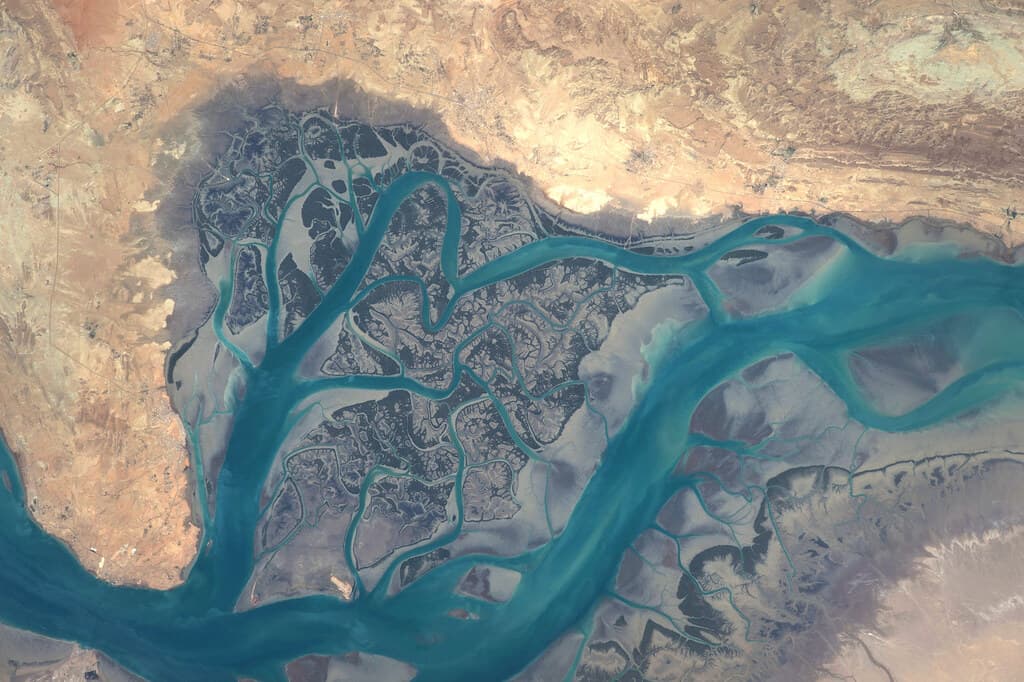
The Strait of Hormuz links the Persian Gulf in the west with the Gulf of Oman in the east. It is a narrow stretch of water, but an outsized share of the world's energy supply depends on it. The strait is considered the world's most important chokepoint for oil and liquefied natural gas exports. According to 2024 figures, roughly one fifth of global oil and LNG shipments passed through it. Any disruption there reverberates through energy markets far beyond the region, which is why the current negotiations are being watched so closely.
Yet even a diplomatic success may not restore normal conditions quickly. Experts do not expect free passage through the strait even if Iran and Oman conclude their agreement on shipping. For tanker operators, insurers and energy importers, that means the risks attached to this corridor are unlikely to disappear with a signature.
Qatar readies an LNG surge as a tanker fire raises nerves
Qatar is preparing for the moment the waterway reopens. The Gulf state has drawn up plans to ramp its LNG production quickly up to 80 percent once the Strait of Hormuz is passable again, according to people familiar with the matter. The move would allow Doha to recover lost output rapidly and reassert itself in global gas markets.
Tensions around the strait were underscored by an accident at its doorstep. Two oil tankers collided near the entrance to the strait, triggering a major fire. According to Bloomberg, the blaze had no connection to the Iran war. When the collision occurred and which vessels were involved remain unclear. Even so, the incident served as a reminder of the risks facing shipping in the narrow passage, whatever the diplomatic outcome.
Frequently asked questions
What is the Strait of Hormuz and why is it important?
The Strait of Hormuz links the Persian Gulf in the west with the Gulf of Oman in the east. It is considered the world's most important chokepoint for oil and liquefied natural gas exports. According to 2024 figures, roughly one fifth of global oil and LNG shipments pass through it, which is why any disruption there rattles energy markets worldwide.
Are Iran and Oman close to a deal on the Strait of Hormuz?
Iran has been negotiating with Oman for weeks over how ship passages through the strait should be regulated. According to DW, the two sides could sign an agreement very soon. However, a New York Times report cited by Spiegel says a quick breakthrough appears unlikely despite US hopes, and experts do not expect free passage even if a deal is concluded.
Is Iran negotiating directly with the United States over the strait?
No. Iran says it is holding talks only with Oman. Tehran has also published a catalogue of demands addressed to the United States concerning the strait, while Washington wants to maintain contact with Tehran over the strait's reopening. The specific contents of Iran's demands have not been disclosed, and the current status of US-Iran contact is unclear.
Was the tanker fire near the Strait of Hormuz linked to the Iran war?
Oil tankers collided near the entrance to the strait, causing a major fire. According to Bloomberg, the fire had no connection to the Iran war. The timing of the collision and the identities of the vessels involved have not been reported.
What is Qatar planning for its LNG output when the strait reopens?
Qatar has drawn up plans to quickly ramp its LNG production up to 80 percent once the strait is reopened, according to people familiar with the matter. The move reflects how much of the country's liquefied natural gas exports depend on the waterway, through which roughly one fifth of global oil and LNG shipments passed in 2024.