Trump Proposes U.S. Control of Strait of Hormuz Post-Iran Conflict
President Trump announced plans to declare the Strait of Hormuz U.S. territory after the war with Iran ends, prompting immediate pushback from Tehran and raising questions over legal authority and export flows.
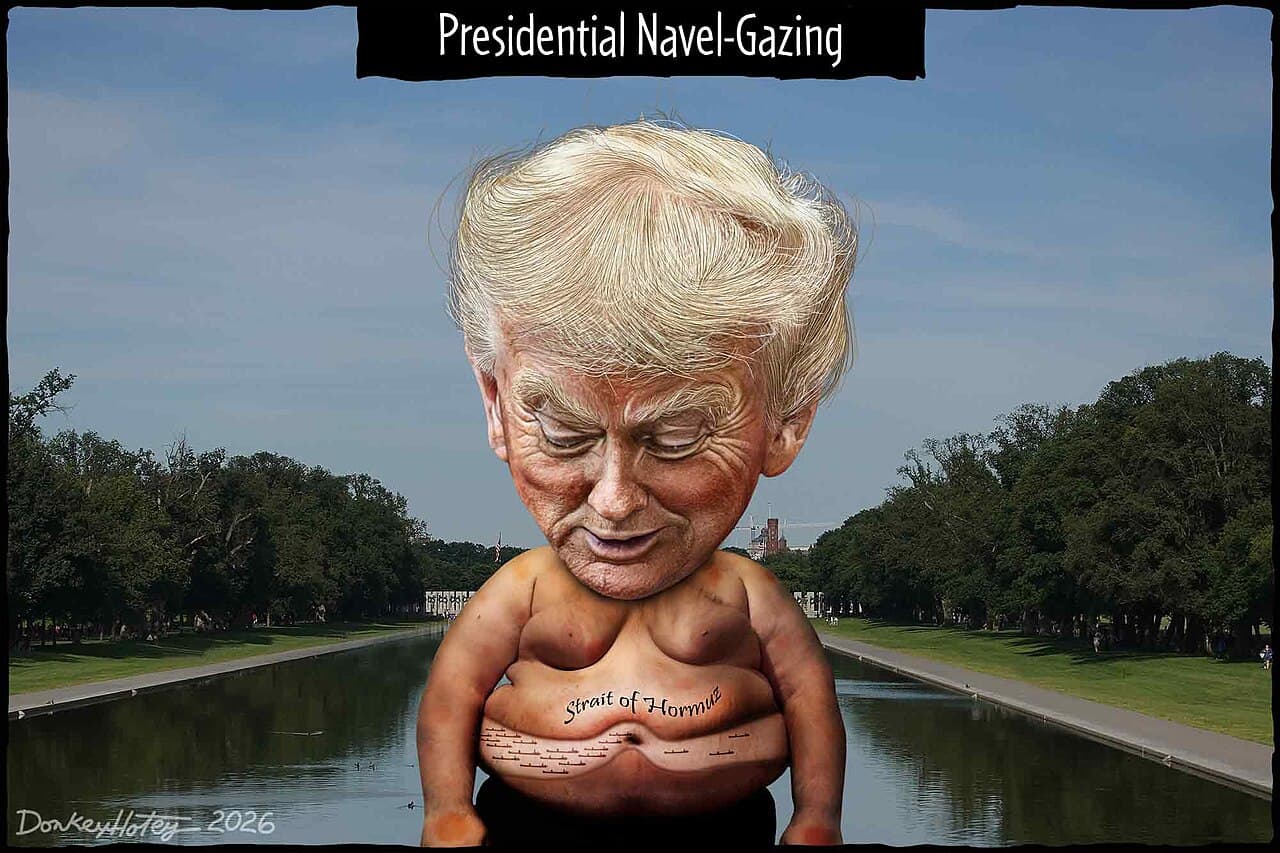
President Trump announced plans to declare the Strait of Hormuz a U.S. territory after the war with Iran ends, a move immediately contested by Tehran which asserts the waterway remains under Iranian control, raising legal questions about the claim's basis and its potential impact on the approximately 9 million barrels of oil daily passing
Donald Trump announced plans to declare the Strait of Hormuz a U.S. territory after the war with Iran ends. President Trump said he plans to declare the Strait of Hormuz a U.S. territory after the war with Iran ends. The Strait of Hormuz is a narrow waterway between the Persian Gulf and the Gulf of Oman, about 104 miles long, with a width varying from about 60 miles to 24 miles. Tehran asserted that the Strait of Hormuz is under Iran's control and management after President Trump said the U.S. might keep it. The Trump administration says 9 million barrels a day are still getting out of the Strait of Hormuz, unlike Iranian crude that is not. The proposal raises unresolved questions about legal basis, criteria for ending the war, and the practical implications for global oil flows. It matters now because the claim follows heightened tensions and disputed statements about U.S. control over the strategic waterway.
Trump's Claim of Post-War Territorial Control
Donald Trump announced plans to declare the Strait of Hormuz a U.S. territory after the war with Iran ends, framing the move as part of broader U.S. strategic objectives following military victory. The proposal emerged after the President said he would control the waterway once Iran was defeated. Tehran immediately asserted that the Strait remains under Iranian control and management, rejecting any U.S. territorial claim. The Strait, a 104‑mile passage between the Persian Gulf and the Gulf of Oman, narrows to as little as 24 miles and is a critical conduit for global oil shipments. Administration sources say 9 million barrels a day continue to flow through the Strait, though the figure is disputed. No legal basis or criteria for the territorial designation have been provided. The claim follows allegations that the United States “totally controls” the waterway, a statement attributed to unnamed officials. (According to reports from theguardian.com, aljazeera.com, foxnews.com, nbcnews.com, cbsnews.com, en.wikipedia.org, yahoo.com, msn.com, newsday.com, dailysabah.com, mirror.co.uk)
Iran's Assertion of Sovereignty and Control
Tehran dismissed Mr. Trump’s suggestion that the United States could retain the Strait of Hormuz after conflict ends. Iranian officials stressed that the waterway falls under Iranian sovereignty and management. They cited historical stewardship and legal jurisdiction over the passage. The claim underscores Tehran’s insistence that no external power can alter its control over the route. According to reports from Al Jazeera and The Guardian, Iranian authorities framed the statement as a defense of national rights. No legal basis for U.S. territorial claims was provided. The dispute reflects broader tensions over strategic maritime assets in the Gulf. Iran maintains that the Strait remains an integral part of its territorial waters. This assertion directly counters Mr. Trump’s post‑war territorial proposal. The position is rooted in Iran’s longstanding view of the waterway’s status.
Administration Statements on Oil Flow and Control
The administration said 9 million barrels a day are still getting out of the Strait of Hormuz, unlike Iranian crude that is not, according to reports. It cited claims that the United States "totally controls" the disputed waterway, though the source of those claims was not identified. No specific criteria for measuring the flow were provided, and the figure could not be independently verified. The statement was made without detailing the legal basis for U.S. control or offering evidence to substantiate the volume of oil moving through the strait.
Unresolved Legal and Operational Questions
The briefing does not define what would constitute the end of the war with Iran, leaving the trigger for any territorial declaration unclear. It offers no legal or historical justification for the United States to claim the Strait of Hormuz as U.S. territory, nor does it provide evidence to substantiate the administration’s claim that 9 million barrels a day continue to flow through the waterway. No specific metrics are cited to confirm a substantial decline in ship traffic, and the source of the “totally controls” assertion is not identified. Consequently, the conditions, legal basis, and evidentiary support for the proposal remain undefined, raising unresolved questions about both the operational timeline and the authority behind the claim.
Frequently asked questions
When will Trump declare the Strait of Hormuz a U.S. territory?
Donald Trump announced plans to declare the Strait of Hormuz a U.S. territory after the war with Iran ends. The briefing does not specify when the war will end or when the declaration would occur.
What is the Strait of Hormuz?
The Strait of Hormuz is a waterway between the Persian Gulf and the Gulf of Oman, about 104 miles long, with a width varying from about 60 miles to 24 miles.
Who controls the Strait of Hormuz according to Iran?
Tehran asserted that the Strait of Hormuz is under Iran's control and management after President Trump said the U.S. might keep it.
How much oil passes through the Strait of Hormuz daily?
The Trump administration says 9 million barrels a day are still getting out of the Strait of Hormuz, unlike Iranian crude that is not. This claim is marked low confidence and is not verified.
Why does Trump want to claim the Strait of Hormuz?
President Trump said he would be declaring the Strait of Hormuz a U.S. territory after America defeats Iran, without explaining the basis for the claim. The briefing does not provide reasons for his plan.